
Oberrieden — place name in German-speaking Europe
Oberrieden is a Germanic toponym used for several small municipalities and villages in Switzerland and southern Germany, typically indicating higher ground near marsh, reedland or cleared fields.
Oberrieden is a toponym used for several settlements in German-speaking Europe. The name combines the German element ober (upper) with Ried or Rieden, words that can refer to reed beds, marshy ground, fen or land cleared for cultivation. As a result of this etymology, localities called Oberrieden are often situated on relatively higher or drier ground adjacent to low-lying wetlands, river valleys or lakeshores.
Image gallery
6 Images



Geography and landscape
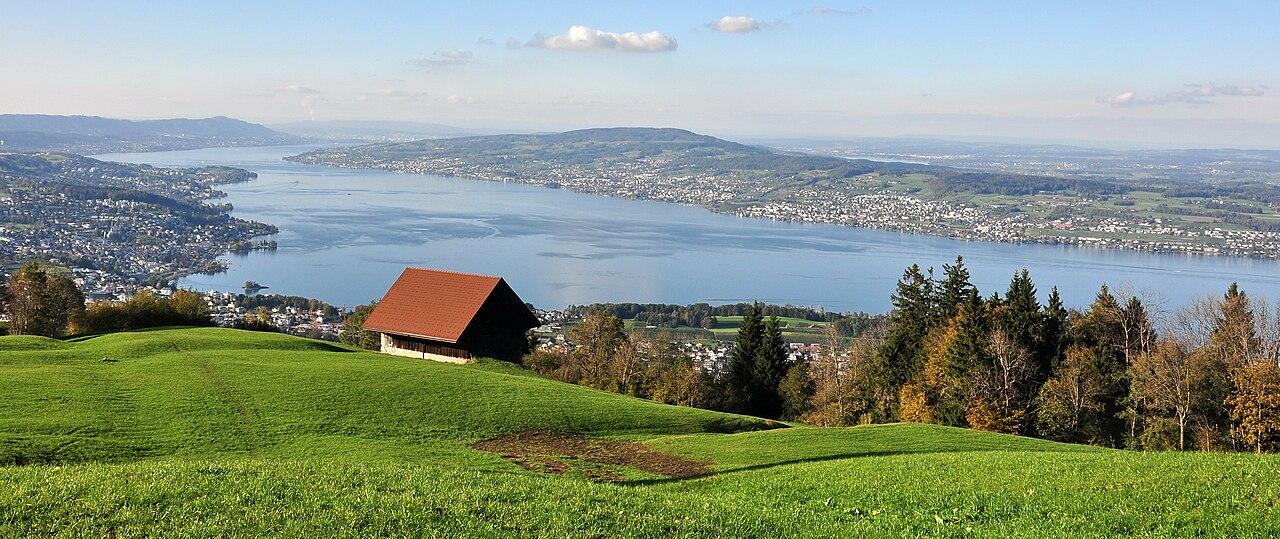
Places named Oberrieden commonly share a landscape marked by a mix of agricultural fields, small woodlands and watercourses. In Switzerland some examples are found on lakefronts where promenades and residential neighbourhoods adjoin open water; in southern Germany they appear as villages in undulating rural districts. Topography, soil and historical land use shaped each locality differently, so one Oberrieden may be more lakeside and commuter-oriented while another remains largely agricultural.
Notable localities and administrative use
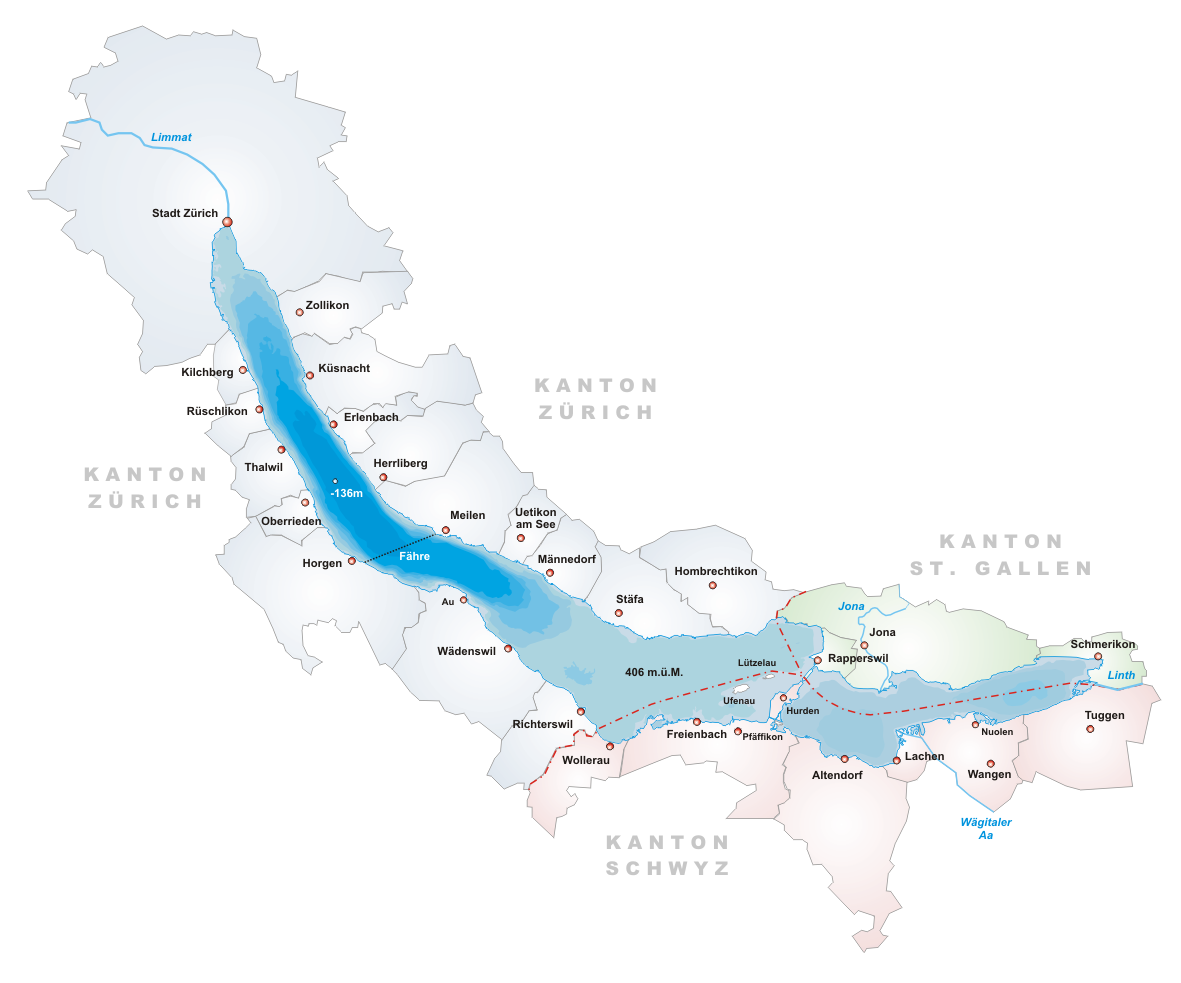
- Oberrieden in Switzerland — a lakeside municipality often identified with its canton when disambiguation is needed. Such places typically combine local services, residential areas and access to regional transport.
- Oberrieden in Germany — the name occurs for villages and small municipalities in regions such as Baden-Württemberg and Bavaria; each is part of larger administrative districts and municipal associations.
History and development
The origins of settlements called Oberrieden are medieval or earlier in many cases. They frequently developed where communities could cultivate reclaimed marshland or exploit waterways for mills and transport. Over centuries these settlements evolved: some remained small farming villages retaining traditional buildings and local customs, while others changed into suburban or commuter communities as nearby cities expanded.
Economy, culture and identity
Modern Oberrieden localities generally provide basic municipal services, maintain village churches and communal halls, and support small-scale commerce and agriculture. Cultural life tends to centre on parish festivals, seasonal fairs and nature-based recreation. When precision is required, the bare name is usually qualified by a regional or cantonal designation to avoid confusion between different places sharing the same toponym.
Related articles
Author
AlegsaOnline.com Oberrieden — place name in German-speaking Europe Leandro Alegsa
URL: https://en.alegsaonline.com/art/71734