
North Norfolk (local government district)
North Norfolk is a coastal local government district in the county of Norfolk, England. Created in 1974, it has a mainly rural character, notable seaside towns, wildlife-rich coast and an economy based on tourism and agriculture.
Overview
North Norfolk is a local government district on the northeastern coast of England, within the ceremonial county of Norfolk and the United Kingdom. It covers a mixture of coastal and inland countryside and is home to roughly 105,000 residents according to recent estimates. The district combines small towns, villages and extensive stretches of shoreline that draw visitors for their scenery and wildlife.
Image gallery
6 Images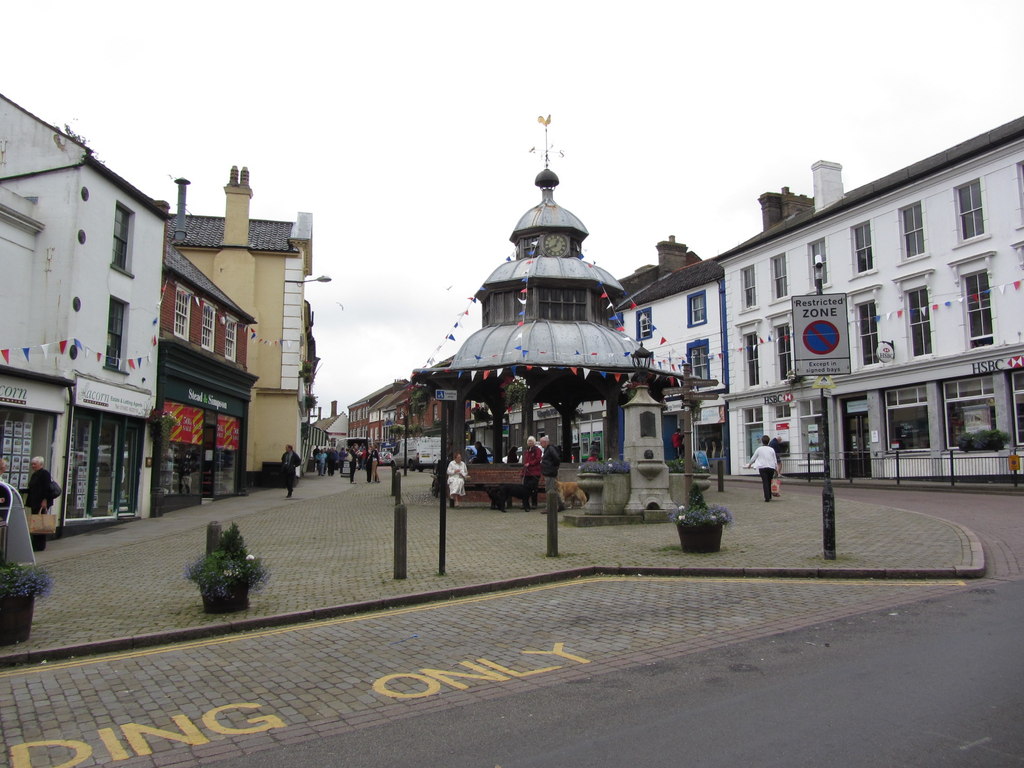


History and governance
The district was created on 1 April 1974 as part of the nationwide reorganisation of local government. It is administered by North Norfolk District Council, which is based in Cromer. The council oversees local services such as planning, environmental health, housing and leisure while county-level responsibilities remain with Norfolk County Council.
Landscape and environment
North Norfolk's landscape ranges from sandy beaches and salt marshes to arable farmland and heathland. The coast contains important habitats for migratory and resident birds, and several nature reserves and protected sites are found along the shoreline. The scenic character of the area contributes strongly to its identity and to conservation priorities.
Towns, communities and transport
Key towns within the district include Cromer, Sheringham, and Wells-next-the-Sea, together with numerous smaller villages and hamlets. Local transport is a mix of regional road links, bus services and rail connections that provide access to Norwich and other regional centres; many visitors arrive by car or public transport during the tourist season.
Economy and uses
The economy is diverse but largely shaped by tourism, agriculture, fishing and small-scale local services. Seaside tourism and related hospitality businesses are important in summer, while farming and food production remain significant in the rural interior. The district also supports cultural events, local markets and heritage attractions.
Notable facts and distinctions
- Coastal and marine conservation are prominent local concerns due to the presence of sensitive habitats and birdlife.
- Many communities have historic buildings, maritime heritage and visitor facilities that underline the district's appeal.
- Local planning seeks to balance visitor demand with environmental protection and the needs of year-round residents.
Related articles
Author
AlegsaOnline.com North Norfolk (local government district) Leandro Alegsa
URL: https://en.alegsaonline.com/art/70924