
Nobuyuki Abe (1875–1953)
Japanese general and politician who served as a general in the Imperial Japanese Army, Governor-General of Korea, and as Japan's 36th Prime Minister (1939–1940).
Nobuyuki Abe (阿部 信行, November 24, 1875 – September 7, 1953) was a senior officer and statesman in pre‑World War II Japan. He combined a long military career with short but notable civil appointments, including a term as Prime Minister during a turbulent international period.
Image gallery
7 Images


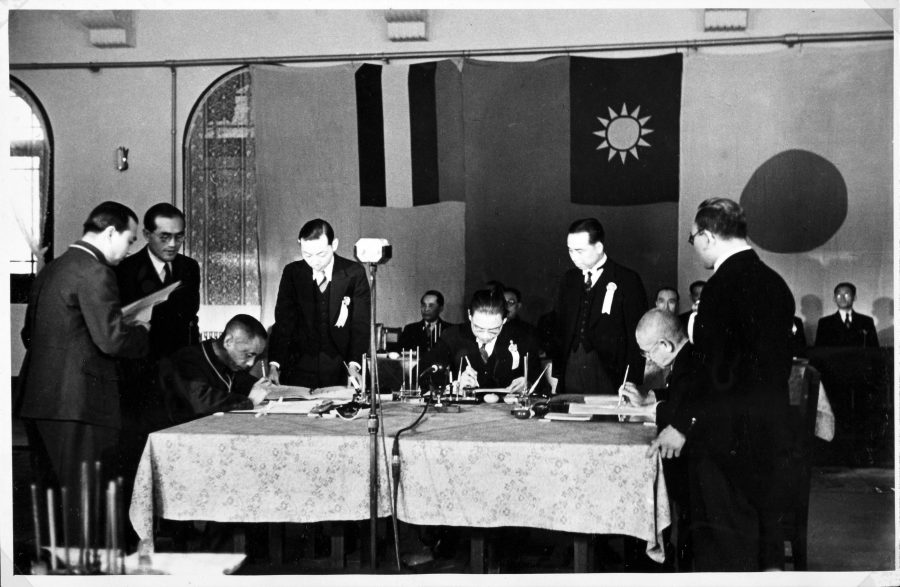
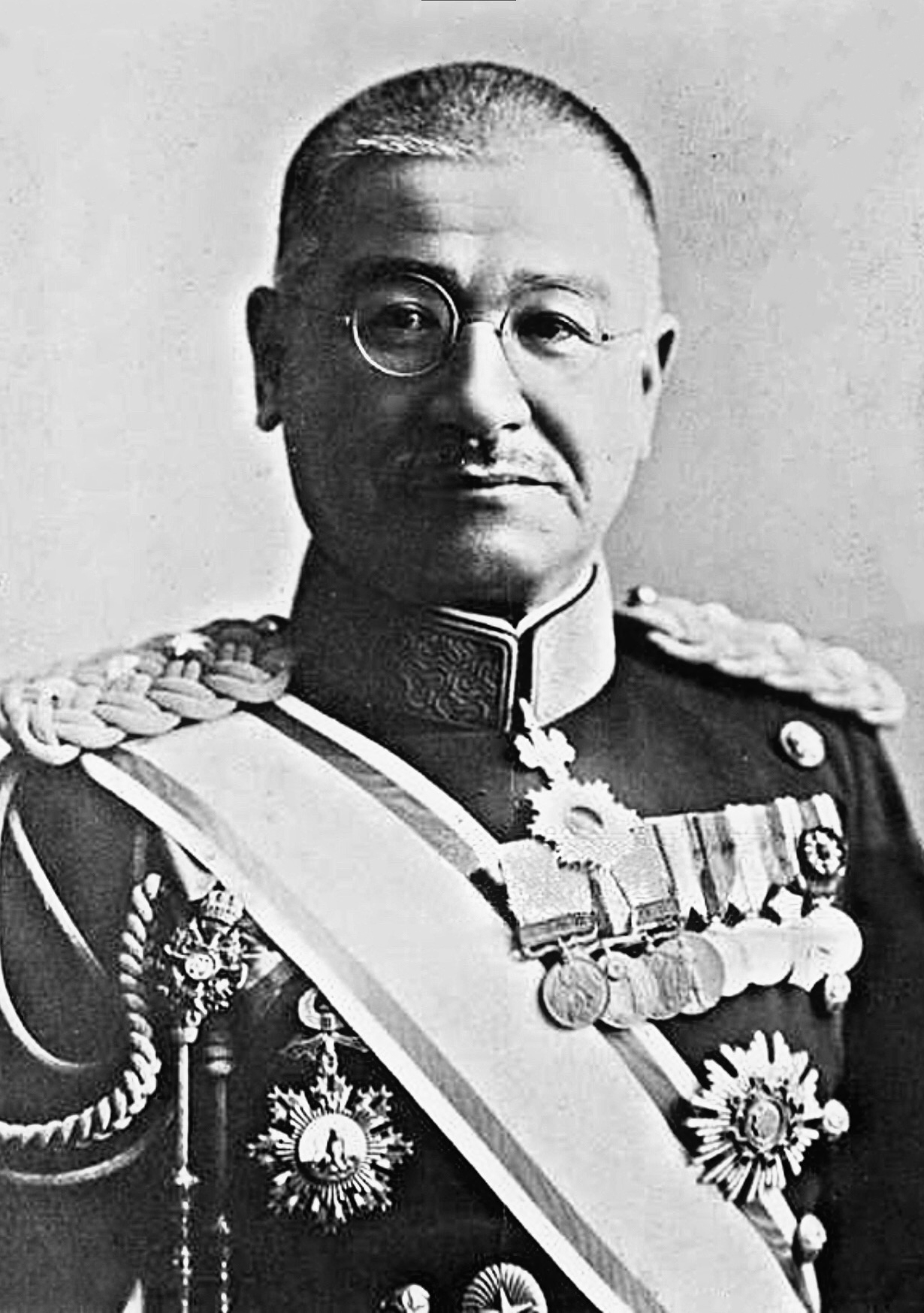


Military background and rise
Abe trained as an army officer and rose through the ranks to become a general in the Imperial Japanese Army. His experience in command and administration marked him as a reliable establishment figure who could bridge military and civilian spheres, a common profile for leaders in Japan between the wars.
Governor-General of Korea
Before becoming head of government, Abe served as Governor‑General of Korea, the senior Japanese administrator in Korea under colonial rule. In that post he oversaw civil and security affairs at a time when Tokyo sought tighter control over its overseas territories and their mobilization for national policy.
Premiership (1939–1940)
Abe was appointed Japan’s 36th Prime Minister and led a short, largely technocratic cabinet from August 30, 1939 to January 16, 1940. His administration governed amid continuing conflict in China and the wider international crisis following the outbreak of war in Europe. The cabinet was often characterized as a caretaker government focused on administrative coordination rather than major policy shifts.
Later life and legacy
After leaving the premiership Abe retired from frontline politics but remained a symbol of the military‑bureaucratic leadership of pre‑war Japan. He died in 1953. Historians view him as representative of the period’s intertwining of military authority and civilian administration, and his brief time as prime minister is studied as part of the lead‑up to the wider Pacific conflict.
Notable facts
- Held senior rank in the Imperial Japanese Army and occupied key colonial and governmental posts.
- Served as Governor‑General of Korea; his tenure reflected Tokyo’s colonial governance practices (Governor‑General of Korea).
- Was Japan’s 36th Prime Minister from August 30, 1939 to January 16, 1940 (Prime Minister).
Abe’s career illustrates how military leaders in early 20th‑century Japan alternated between uniformed command and civil administration during a period of imperial expansion and international crisis.
Questions and answers
Q: Who was Nobuyuki Abe?
A: Nobuyuki Abe was a general in the Imperial Japanese Army, Governor-General of Korea, and 36th Prime Minister of Japan.
Q: What was Nobuyuki Abe's full name?
A: Nobuyuki Abe's full name was 阿部 信行, which is written as Abe Nobuyuki in Western order.
Q: When was Nobuyuki Abe born?
A: Nobuyuki Abe was born on November 24, 1875.
Q: When did Nobuyuki Abe serve as the Prime Minister of Japan?
A: Nobuyuki Abe served as the 36th Prime Minister of Japan from August 30, 1939 to January 16, 1940.
Q: What other title did Nobuyuki Abe hold aside from being Prime Minister of Japan?
A: Aside from being Prime Minister of Japan, Nobuyuki Abe also served as the Governor-General of Korea.
Q: When did Nobuyuki Abe pass away?
A: Nobuyuki Abe passed away on September 7, 1953.
Q: What other name was Nobuyuki Abe known by?
A: Nobuyuki Abe was also known as Noboyuki Abe.
Related articles
Author
AlegsaOnline.com Nobuyuki Abe (1875–1953) Leandro Alegsa
URL: https://en.alegsaonline.com/art/70518
Sources
- books.google.com : "Abe Nobuyuki"
- generals.dk : "Generals from Japan: Abe, Nobuyuki"
- kantei.go.jp : Prime Minister of Japan and Cabinet
- kantei.go.jp : "Prime Ministers in History, 31st-60th (1934-1964)"