
NI Railways (Northern Ireland Railways)
Northern Ireland's state-owned passenger railway operator, part of Translink, running regional and commuter services centered on Belfast with cross‑border links and mostly diesel-operated lines.
NI Railways, commonly called Northern Ireland Railways, is the principal passenger rail operator within Northern Ireland and is managed under the public transport brand Translink. Its services form the core of the region's rail-based public transport, providing commuter links into Belfast, longer regional journeys and connections that cross the border to the Republic of Ireland.
Image gallery
10 Images


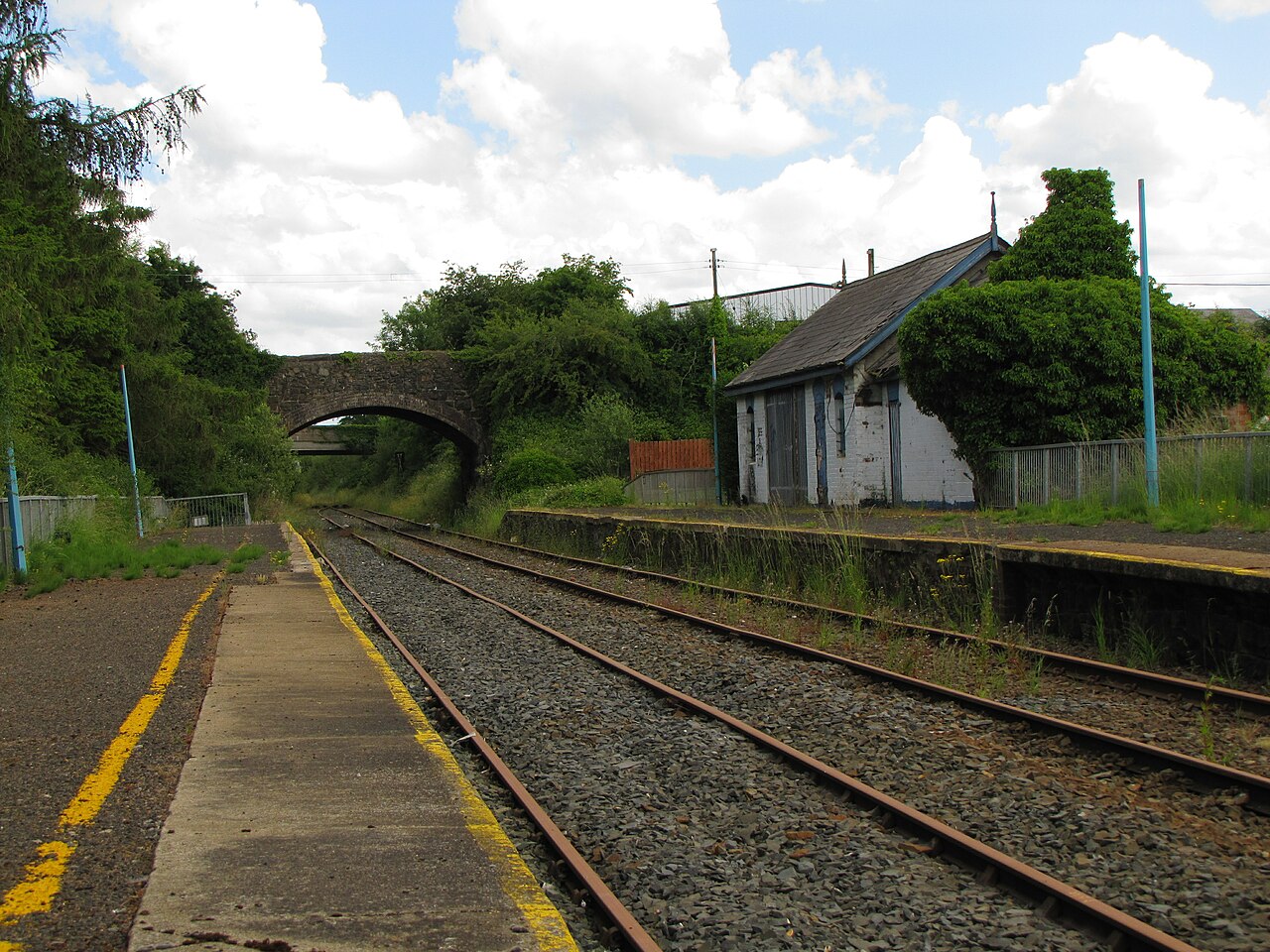


Network and routes
The network is concentrated on Belfast as a hub with several radial routes. Services include frequent commuter lines and less frequent regional services that connect towns and coastal communities. Typical destinations served by the network include:
- Belfast to Bangor commuter corridor
- Belfast to Derry/Londonderry regional line
- Branches serving coastal and regional towns such as Larne and Portadown
- Cross‑border services provided jointly with Irish operators on the Belfast–Dublin corridor
Timetables are arranged to serve both daily commuters and leisure travelers, with higher frequencies on peak commuter corridors and fewer trains on rural sections.
Rolling stock and infrastructure
The network uses diesel multiple units and locomotive‑hauled trains rather than electrified services; overhead electrification is not a standard feature. Rail track in Ireland follows the Irish broad gauge, which differs from the standard gauge used in Great Britain. Stations range from major termini to small rural halts, and infrastructure investments in recent decades have focused on modernizing rolling stock, improving accessibility and renewing signaling where required.
Facilities and service standards are coordinated with other Translink modes to offer integrated ticketing and passenger information at many interchange points.
History and development: The present operator evolved from earlier regional and municipal railway companies and from public transport bodies that managed rail services in the mid‑20th century. During the late 20th and early 21st centuries the system saw consolidation, modernization of fleets and a growing emphasis on integrating rail with bus services for seamless journeys across Northern Ireland and into the Republic.
NI Railways plays a key role in daily commuting, regional mobility and tourism. It is distinct from rail systems elsewhere in the UK and Ireland because it operates solely within Northern Ireland under a devolved public transport authority, and it works in partnership with neighboring rail operators for cross‑border services. Ongoing topics of public interest include investments in rolling stock, service frequency improvements and the environmental benefits of shifting journeys from road to rail.
Related articles
Author
AlegsaOnline.com NI Railways (Northern Ireland Railways) Leandro Alegsa
URL: https://en.alegsaonline.com/art/69905