
Monza — city in Lombardy, northern Italy
Monza is a historic city in Lombardy, Italy, known for its cathedral, royal villa, large enclosed park and the Autodromo Nazionale Monza which hosts major motorsport events.
Overview
Monza is a city in northern Italy, located in the region of Lombardy. It has a population of around 120,000 and functions as an important local centre for culture, services and industry. In 2009 Monza became the administrative seat of the Province of Monza and Brianza.
Image gallery
10 Images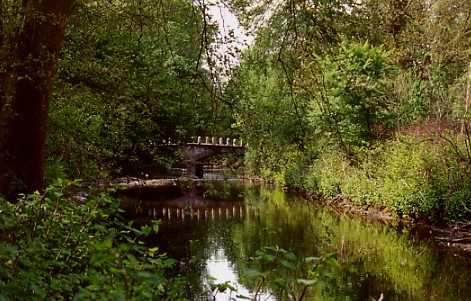


Landmarks and character
Monza is noted for several prominent sites. The cathedral, with its medieval treasury, is one of the city’s historic focal points and is associated with the Iron Crown, a relic tied to Lombard and later coronation traditions. The late-18th-century Villa Reale (Royal Villa) and the extensive surrounding park offer architectural and landscaped interest. Together these elements give Monza a mix of religious, royal and public-museum attractions.
Autodromo Nazionale and sport
Internationally, Monza is best known for the Autodromo Nazionale Monza, a historic racing circuit that hosts major motorsport events including rounds of the Formula One calendar. The circuit and its crowd-drawing races are central to the city’s modern identity and contribute to tourism and local business.
History and development
The city’s roots reach back through medieval and later periods, with layers of architecture and urban form reflecting church, noble and civic influence. Over the 19th and 20th centuries Monza developed industry and commuter links with nearby Milan, becoming both a residential centre and a place for manufacturing and services.
Economy, transport and culture
Monza combines light industry, commerce and public administration. Good rail and road connections link it to Milan and the wider Lombardy region, making it integrated into the metropolitan economy. Cultural life includes museums, festivals and local traditions tied to its historical sites and annual sporting calendar.
Notable facts
- Monza Park is among the largest enclosed urban parks in Europe, offering recreational space and green landscape.
- The Autodromo brings a global audience for motorsport, underpinning tourism peaks.
- The city’s cathedral houses items of medieval significance that attract visitors and scholars.
Related articles
Author
AlegsaOnline.com Monza — city in Lombardy, northern Italy Leandro Alegsa
URL: https://en.alegsaonline.com/art/66522