
Monticello, Arkansas — Overview, History, and Local Features
Monticello, Arkansas, county seat of Drew County in southeastern Arkansas. Known for the University of Arkansas at Monticello, timber and agricultural heritage, proximity to Bayou Bartholomew, and a historic downtown square.
Overview
Monticello is a small city in the southeastern United States that serves as the county seat of Drew County in Arkansas. It functions as a regional center for education, government, health care and commerce for a largely rural area. The community combines a historic downtown character with institutions that draw people from surrounding counties, most notably a public university campus.
Image gallery
3 Images

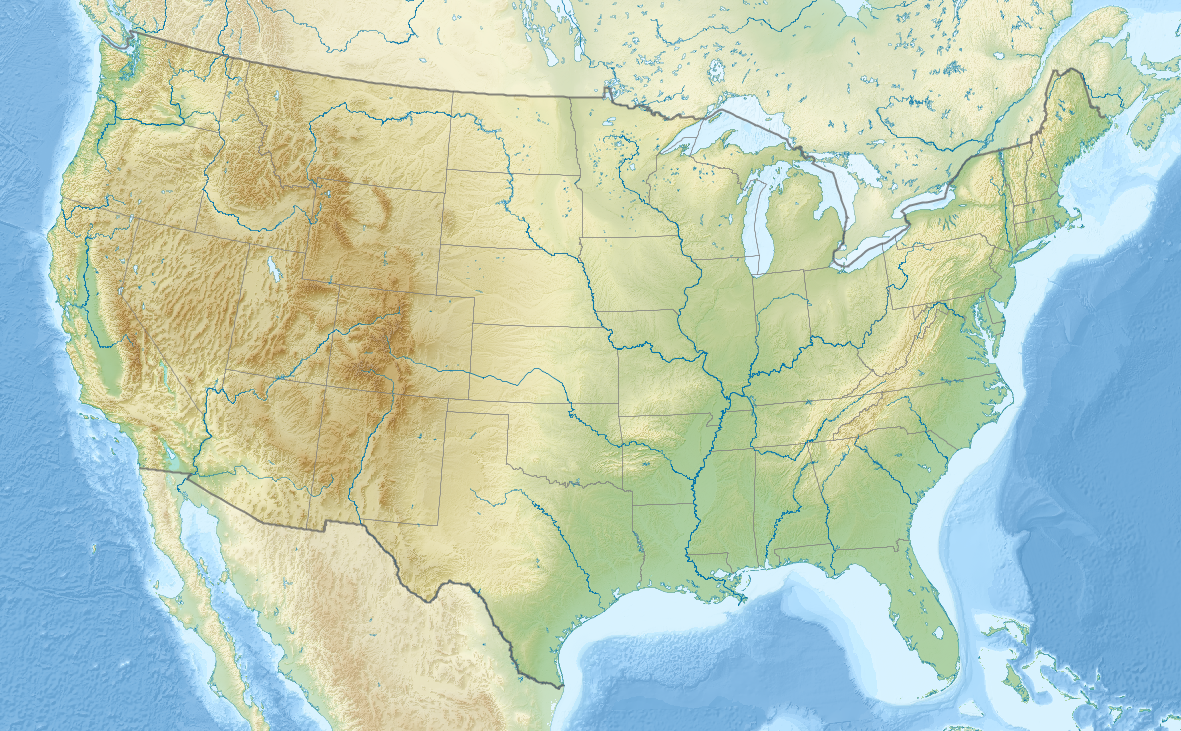
Characteristics and landmarks
Monticello's physical and civic landscape includes a courthouse square, neighborhood residential areas, and campus grounds belonging to the University of Arkansas at Monticello. The city sits near important natural features such as Bayou Bartholomew, which influences local ecology and recreation. Key local features include:
- University of Arkansas at Monticello — a major local employer and cultural hub.
- Historic downtown and government buildings that reflect 19th- and early 20th-century development patterns.
- Timber and agricultural infrastructure tied to the region's economy.
History and development
The settlement that became Monticello developed in the mid-19th century as agricultural settlement expanded across the Arkansas Delta and upland pine regions. Its name echoes Thomas Jefferson's Virginia estate, a common naming practice in the United States during that era. Monticello grew as county institutions, rail links and later road networks concentrated commerce and services there. Over time the city diversified beyond farming into timber, education and light industry while maintaining local traditions.
Economy, culture and uses
The local economy blends public institutions, education, health services and resource-based industries such as forestry and agriculture. The university contributes to cultural life through public lectures, arts events and sports; other community activities include seasonal festivals, fairs and civic gatherings that attract residents of the broader county. Outdoor recreation around nearby waterways and forests is also a draw for locals and visitors.
Transportation and notable facts
Monticello is connected to the region by state highways and local roads that serve commercial traffic and daily commuting. The city acts as a service center for smaller towns and rural areas in southeastern Arkansas. Notable facts include its role as Drew County's administrative center, its university campus, and proximity to Bayou Bartholomew — an ecologically significant waterway often noted for its length and biodiversity.
Further information
For introductions to local government services, educational programs, and visitor information, municipal and institutional websites provide current details and calendars of events. Historical societies and regional archives maintain records that document Monticello's development and community life over the past century and a half.
Related articles
Author
AlegsaOnline.com Monticello, Arkansas — Overview, History, and Local Features Leandro Alegsa
URL: https://en.alegsaonline.com/art/66389