
Montclair, New Jersey
Montclair is a suburban township in Essex County, known for its cultural institutions, historic neighborhoods, parks, and proximity (about 12 miles) to New York City.
Overview
Montclair is a township in northern New Jersey, located roughly 12 miles west of Manhattan and occupying about six square miles. It functions as a residential and cultural center for the region, with a compact downtown, several commercial corridors, and a reputation for political progressivism and social diversity. For official information, see the town's webpage: Montclair official site.
Image gallery
10 Images


History and development
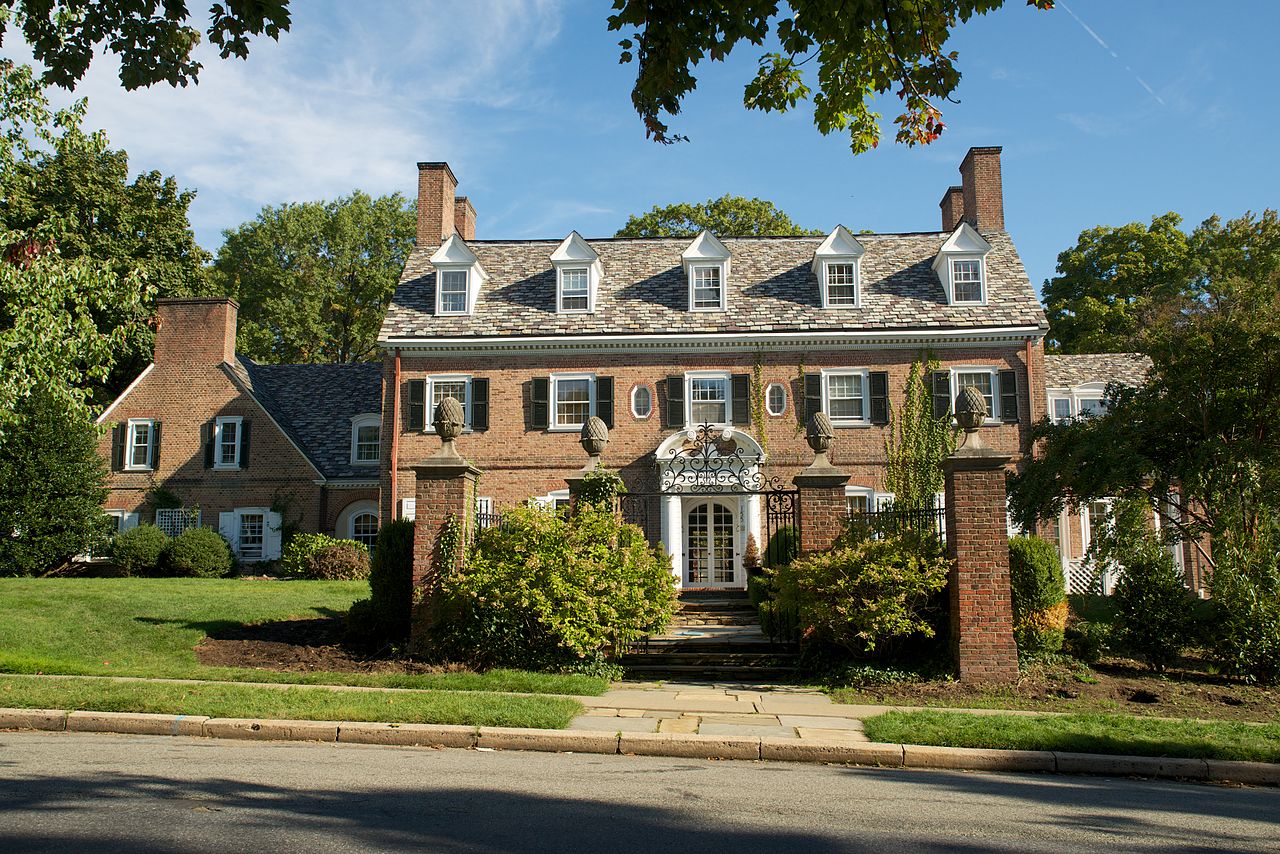
The area that became Montclair transformed from rural estates and farmland into a suburban community in the late 19th and early 20th centuries as rail connections to New York City encouraged commuter living. Over time the township grew through waves of residential construction, resulting in a mix of Victorian, Colonial Revival, and early 20th-century apartment architecture. The pattern of development reflects broader suburbanization trends in the northeastern United States.
Character and neighborhoods
Montclair is organized into distinct neighborhoods and commercial districts with tree-lined streets and a variety of housing types, from single-family homes to multiunit buildings. Many blocks contain historic homes and small parks, and neighborhood associations are active in local planning. The presence of a major public university within or near the township also contributes to a lively, year-round population and local economy.
Culture, parks, and amenities
The township supports a thriving arts and cultural scene, including museums, independent theaters, galleries, and community events. Parks and open spaces are an important part of local life; residents and visitors frequently use the township's recreational areas and greenways for walking, sports, and outdoor programs. More information about municipal green spaces can be found at parks and open spaces.
Transportation and significance
Montclair's access to commuter rail and bus services makes it a convenient choice for people working in New York City and other regional centers. Its combination of transit links, walkable downtowns, and local cultural offerings has made it a notable example of a transit-oriented suburban community in the New York metropolitan area.
Notable facts and distinctions
- Governance: Montclair is organized as a township and manages a mix of residential and commercial planning priorities.
- Cultural life: The township is known for a strong arts presence and community events.
- Diversity: Montclair frequently highlights its demographic variety and progressive civic culture.
Taken together, these elements make Montclair a distinctive suburban municipality with a balance of historic character, cultural institutions, and practical connections to a major metropolitan center.
Related articles
Author
AlegsaOnline.com Montclair, New Jersey Leandro Alegsa
URL: https://en.alegsaonline.com/art/66279