
Mitsubishi Galant
Mid-size sedan produced by Mitsubishi Motors from 1969 to 2012, evolving from a compact family car into larger, more refined models. Known for mainstream utility and a high-performance VR-4 variant.
The Mitsubishi Galant is a passenger car that was produced by Mitsubishi Motors from 1969 until 2012. The model name derives from the French word galant, often translated as "gallant" or "chivalrous." Introduced as a compact four-door sedan, the Galant was offered in multiple body styles and was gradually developed into a larger mid-size vehicle aimed at families and business users. Early production took place in Japan, and from the mid-1990s some versions destined for North America were assembled at the former Diamond-Star Motors (DSM) facilities in Normal, Illinois.
Image gallery
10 Images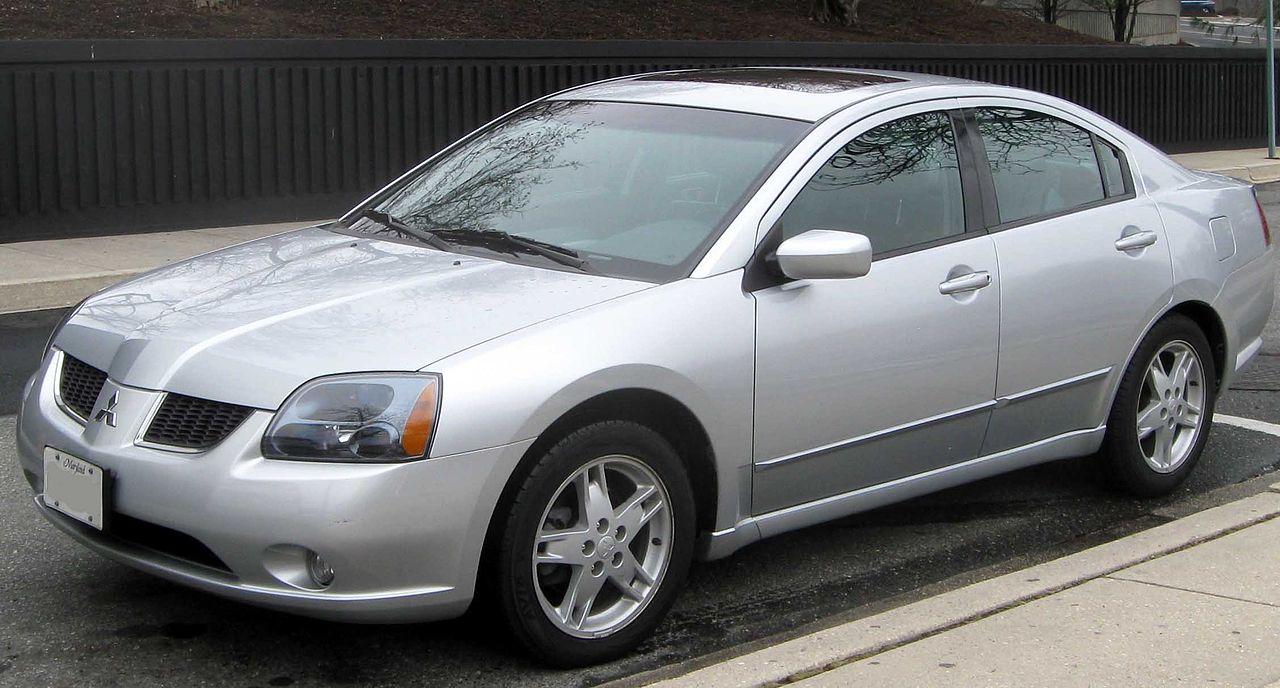

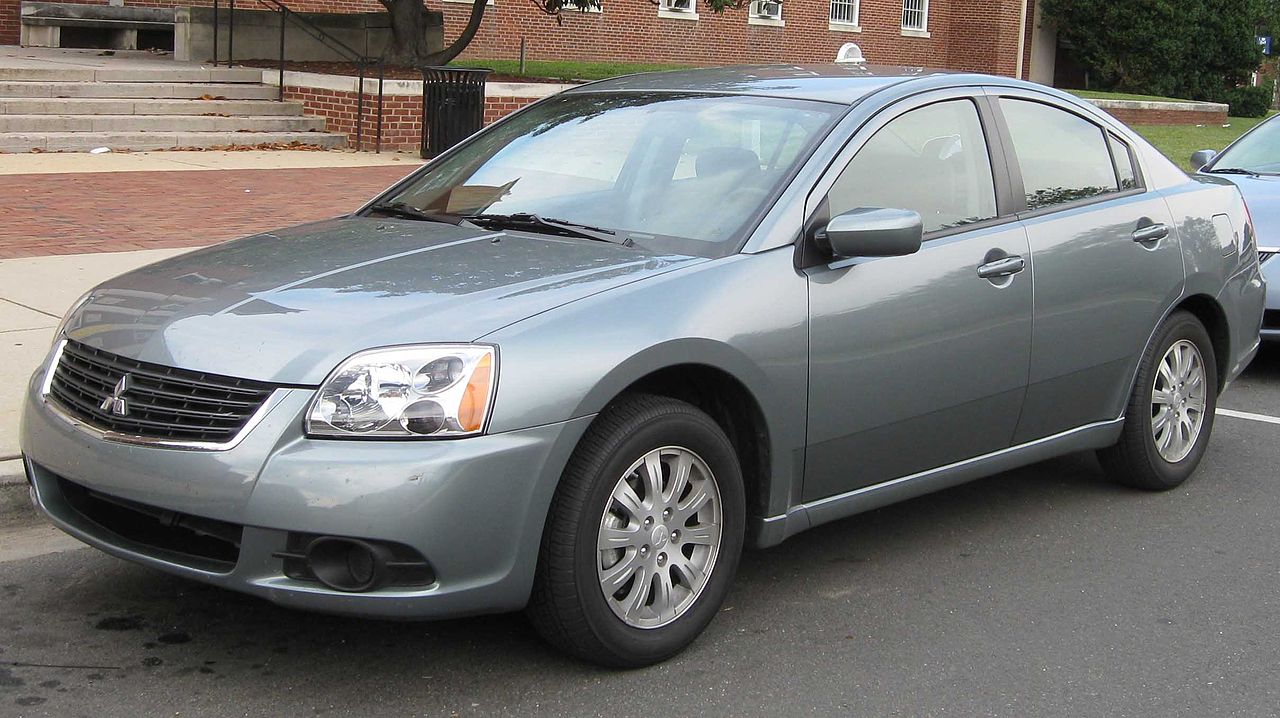


Design, layout and common variants
Across its life the Galant was built with front-wheel drive as the standard layout; four-wheel drive and high-performance all-wheel drive systems appeared on selected models. Engine choices ranged from economical four-cylinder units to more powerful V6 engines in later generations. The car was available in several body styles at different times, including:
- four-door sedan - the most common configuration, focused on comfort and practicality;
- two-door coupe and liftback versions offered in some markets as sportier alternatives;
Notable among the variants was the turbocharged VR-4, a performance-oriented model with multi-cylinder engines, forced induction and an advanced driveline that connected the Galant name with rally and sports performance during the late 1980s and early 1990s.
History and development
The Galant line developed through multiple generations, reflecting changing consumer preferences and automotive technology. Early generations focused on creating a compact, economical family car. Through the 1970s and 1980s the model grew in size and refinement, adding stronger engines, more comfortable interiors and expanded safety equipment. During the 1990s the Galant positioned itself more squarely in the competitive mid-size segment, offering V6 powertrains and enhanced amenities to contend with rivals from Japan, Europe and North America.
Production remained primarily in Mitsubishi's own plants in Asia for much of its existence, but partnerships and overseas assembly—such as the DSM operation in Illinois—were used to supply local markets and reduce logistics costs. Manufacturing and model strategy evolved with global market demands until the line was discontinued in 2012.
Today the Galant is remembered as a mainstream family sedan that also produced some enthusiast-oriented variants. The VR-4 and well-preserved examples from several generations are of particular interest to collectors. Its long production run illustrates Mitsubishi's shifting priorities from compact economy cars to larger, better-equipped mid-size models and the use of international assembly to serve specific markets.
Author
AlegsaOnline.com Mitsubishi Galant Leandro Alegsa
URL: https://en.alegsaonline.com/art/65566