
Misogyny: Definition, Forms, History, and Social Impact
Misogyny is prejudice, contempt, or discrimination against women. This article outlines its meanings, common manifestations, historical context, social effects, and distinctions from related concepts.
Overview
Misogyny refers to attitudes, behaviors, and cultural patterns that express contempt for, devalue, or discriminate against women. It ranges from hostile speech and interpersonal hostility to institutional practices and norms that reduce opportunities, safety, or dignity. While sometimes used to describe explicit hatred, the term also covers subtler expressions—stereotypes, exclusionary traditions, or policies—that maintain unequal power relations.
Image gallery
10 Images
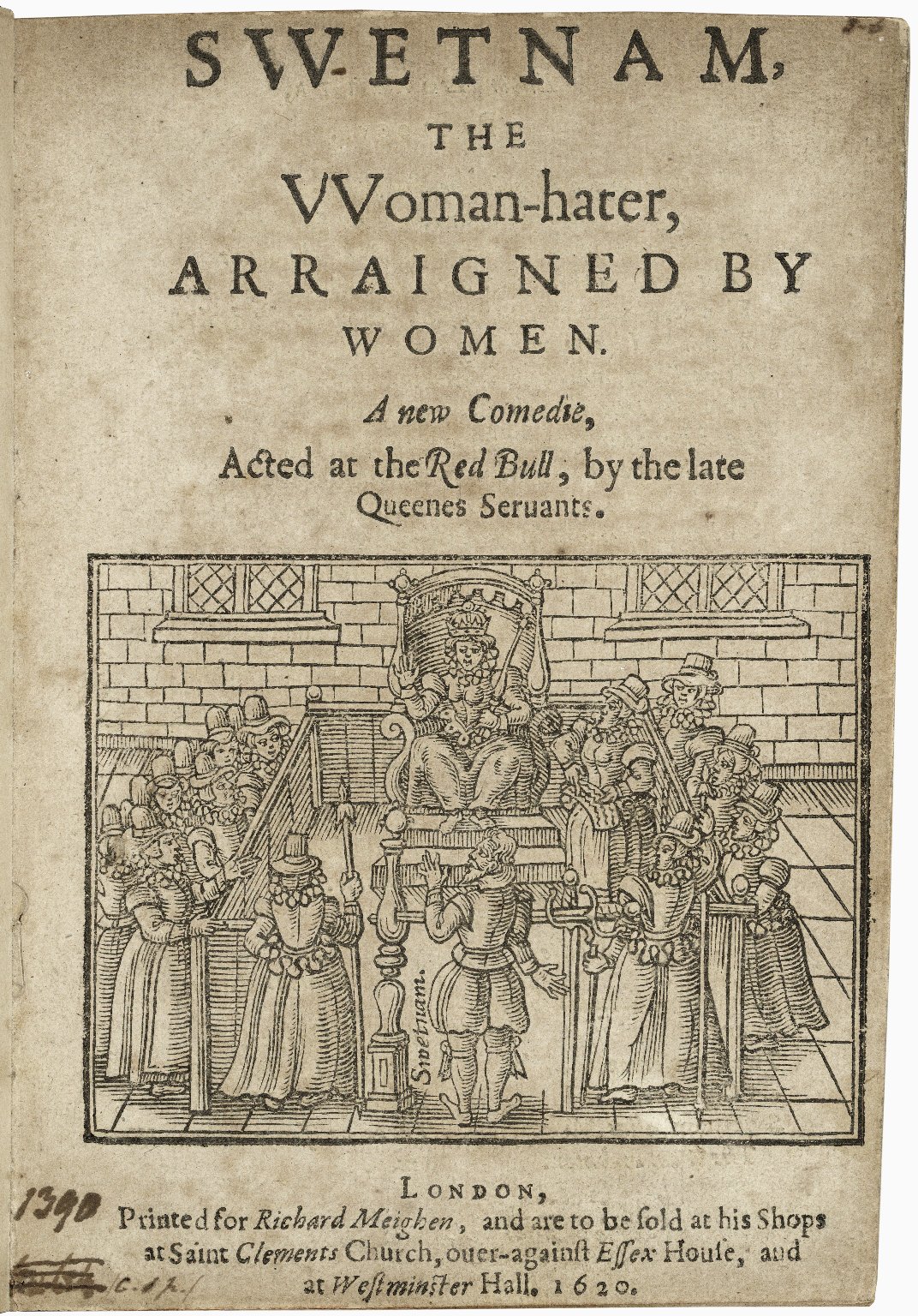


Forms and common manifestations
Misogyny appears in many forms. Examples include:
- Individual prejudice: insults, harassment, or violent acts directed at women.
- Institutional discrimination: biased hiring, unequal pay, or legal and policy frameworks that disadvantage women.
- Cultural tropes: media portrayals that sexualize, demean, or invisibilize women, or that present women only in narrow roles.
- Online harassment and coordinated abuse, sometimes concentrated in certain subcultures or forums such as parts of the manosphere.
History and development
The roots of misogynistic ideas are complex and long-standing. Across different societies and historical periods, beliefs about gender have been shaped by religion, law, economic systems, and intellectual traditions. Over time those ideas were embedded into customs and institutions, producing patterns of exclusion and control. Modern scholarship traces both continuity and change: some practices have become less overt while others persist in new forms.
Social consequences and responses
Consequences of misogyny include restricted access to education and work, higher risk of gender‑based violence, and cultural norms that limit autonomy. Responses range from legal reforms and workplace policies to social movements and public education. Organized activism, scholarly critique, and advocacy for gender equality are among the principal means societies use to challenge misogynistic norms.
Distinctions and notable facts
Misogyny is related to but distinct from other concepts. Misandry denotes hostility toward men, while sexism more broadly refers to beliefs or systems that assign roles or values on the basis of sex. Misogynistic attitudes can be held by people of any gender and may be expressed at the personal, cultural, or systemic level. Public discussion often intersects with debates about feminism, gender policy, and online community moderation; see further reading for context.
Questions and answers
Q: What is misogyny?
A: Misogyny is a type of discrimination that refers to the discrimination of female people (women).
Q: What is the opposite of being misogynistic?
A: The opposite of being misogynistic is being anti-sexist or misandrist.
Q: What is the definition of misandry?
A: Misandry refers to the discrimination of men.
Q: Who is a person who hates women?
A: A misogynist is a person who hates women.
Q: Why do misogynists hate women?
A: Misogynists hate women because they believe there is something wrong with them, such as being stupid, dirty or evil.
Q: Which communities have been described as misogynist?
A: Some communities that have been described as misogynist include the manosphere.
Q: Can discrimination only be towards women?
A: No, discrimination can also be towards men as seen in the form of misandry.
Author
AlegsaOnline.com Misogyny: Definition, Forms, History, and Social Impact Leandro Alegsa
URL: https://en.alegsaonline.com/art/65442