
Microbursts: intense thunderstorm downdrafts causing sudden straight-line winds
Microbursts are brief, powerful thunderstorm downdrafts that strike the ground and create damaging straight-line winds. This article explains formation, types, risks to aircraft and structures, and detection methods.
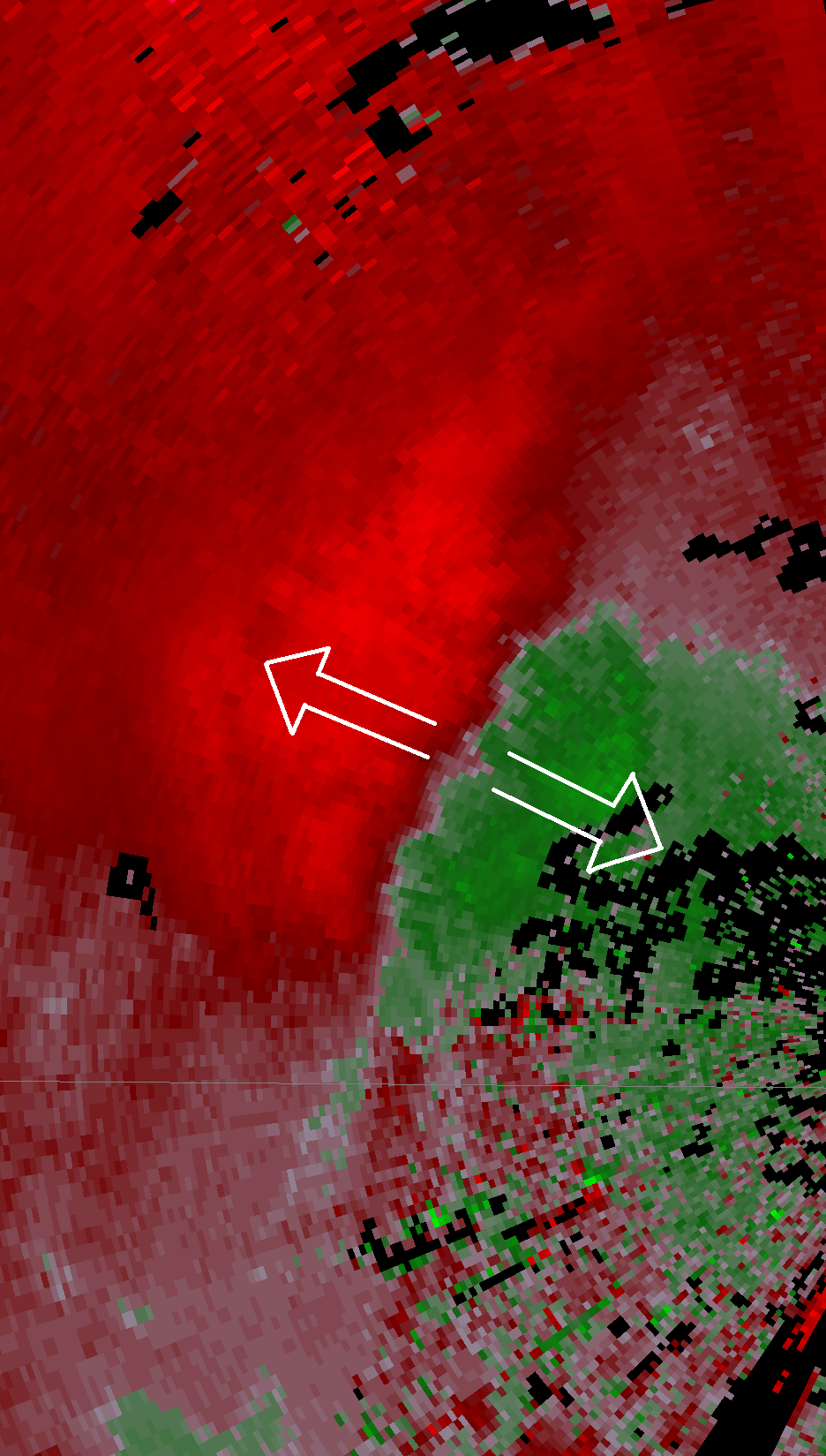
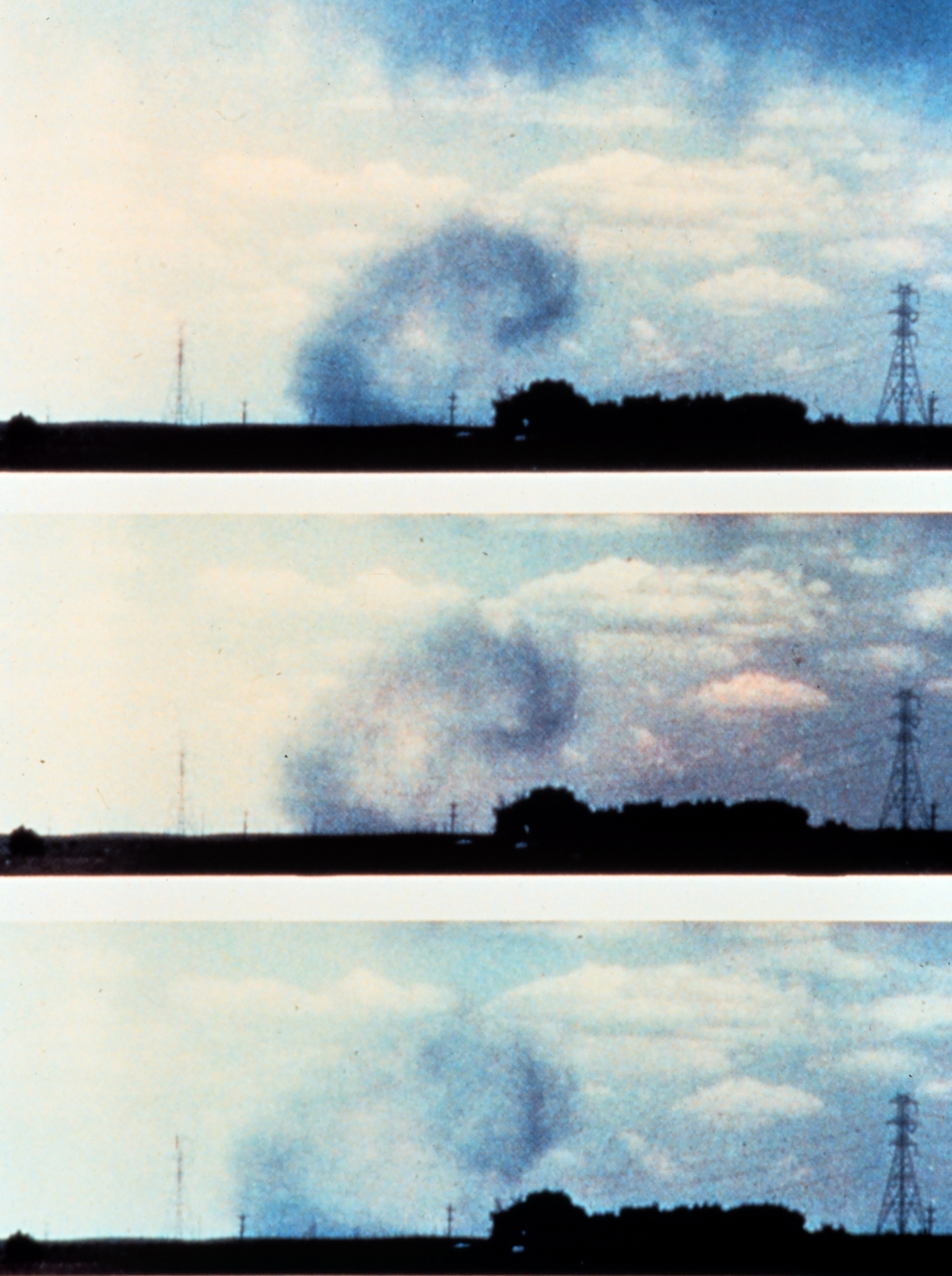
Microburst refers to a concentrated, powerful downdraft that descends from a thunderstorm and spreads outward after striking the ground. Unlike a tornado, which is a rotating column of air that draws air inward, a microburst produces a divergent outflow of wind at the surface. These events are often brief but can generate extremely strong straight-line winds that pose risks to people, structures, and aircraft.
Image gallery
10 Images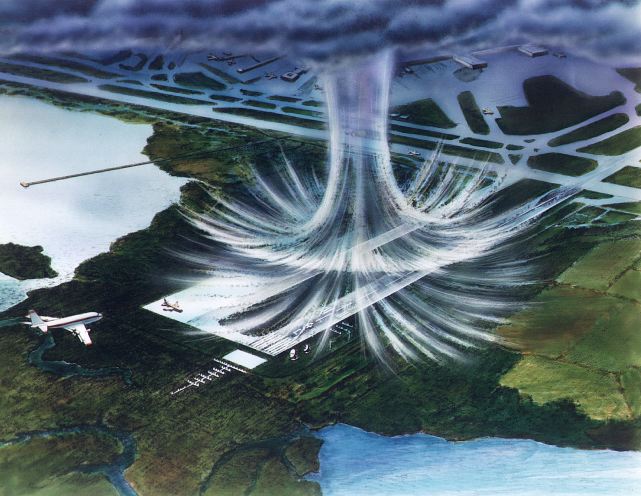






Typical characteristics
- Duration: A microburst usually lasts only a short time. Its full life cycle is commonly on the order of several minutes to around 15 minutes, with the most intense winds occurring in the early stages.
- Size: The initial descending core is often a few hundred metres across (cores near 500 m are frequently observed), and the damaging outflow can expand to cover areas up to a few kilometres in diameter. By convention in meteorology, microbursts are smaller-scale downbursts, typically under about 4 km across.
- Winds: The outflow can produce very strong straight-line winds; in severe cases these winds can reach or exceed 100 mph (160 km/h).
- Structure: On reaching the surface the downdraft spreads horizontally, creating a divergent wind pattern rather than the convergent rotation of a tornado.
How they form
Microbursts develop when relatively cool, dense air accelerates downward within a thunderstorm. Two common mechanisms are:
- Evaporative cooling — precipitation falling into drier air below the cloud base evaporates, cooling and increasing the density of the air so it descends rapidly.
- Precipitation loading — the weight of heavy precipitation within the cloud forces air downward.
Microbursts are often classified as wet (with heavy precipitation) or dry (little or no surface precipitation), although intermediate or hybrid cases also occur.
Hazards
Microbursts are hazardous because of the sudden onset of strong, horizontally directed winds and severe wind shear near the ground. Their short duration and small horizontal extent can make them hard to anticipate on the ground. Key risks include:
- Aviation: The abrupt wind shear produced by a microburst is especially dangerous during takeoff and landing phases, when aircraft are close to the ground and have limited ability to recover.
- Surface damage: Straight-line winds from microbursts can damage buildings, vegetation, and infrastructure, and can down power lines and trees.
Detection and response
Detection methods include Doppler weather radar, specialized airport wind shear alert systems, and surface observations. Forecasting and real-time warnings, combined with pilot training and airport procedures, reduce the risk to aviation and help communities prepare for sudden strong winds.
Author
AlegsaOnline.com Microbursts: intense thunderstorm downdrafts causing sudden straight-line winds Leandro Alegsa
URL: https://en.alegsaonline.com/art/64592