
Meyras — commune in the Ardèche department of southern France
Meyras is a commune in the Ardèche department of southern France, known for its rural landscape, historic village center, and outdoor recreation in the foothills of the Massif Central.
Meyras is a French commune commune located in the Ardèche department département in southern France. As an administrative commune it forms the lowest tier of local government in France and typically combines a central village with surrounding hamlets and agricultural land. Meyras lies within the broader region that was historically called the Vivarais and today belongs to the Auvergne-Rhône-Alpes area.
Image gallery
1 Image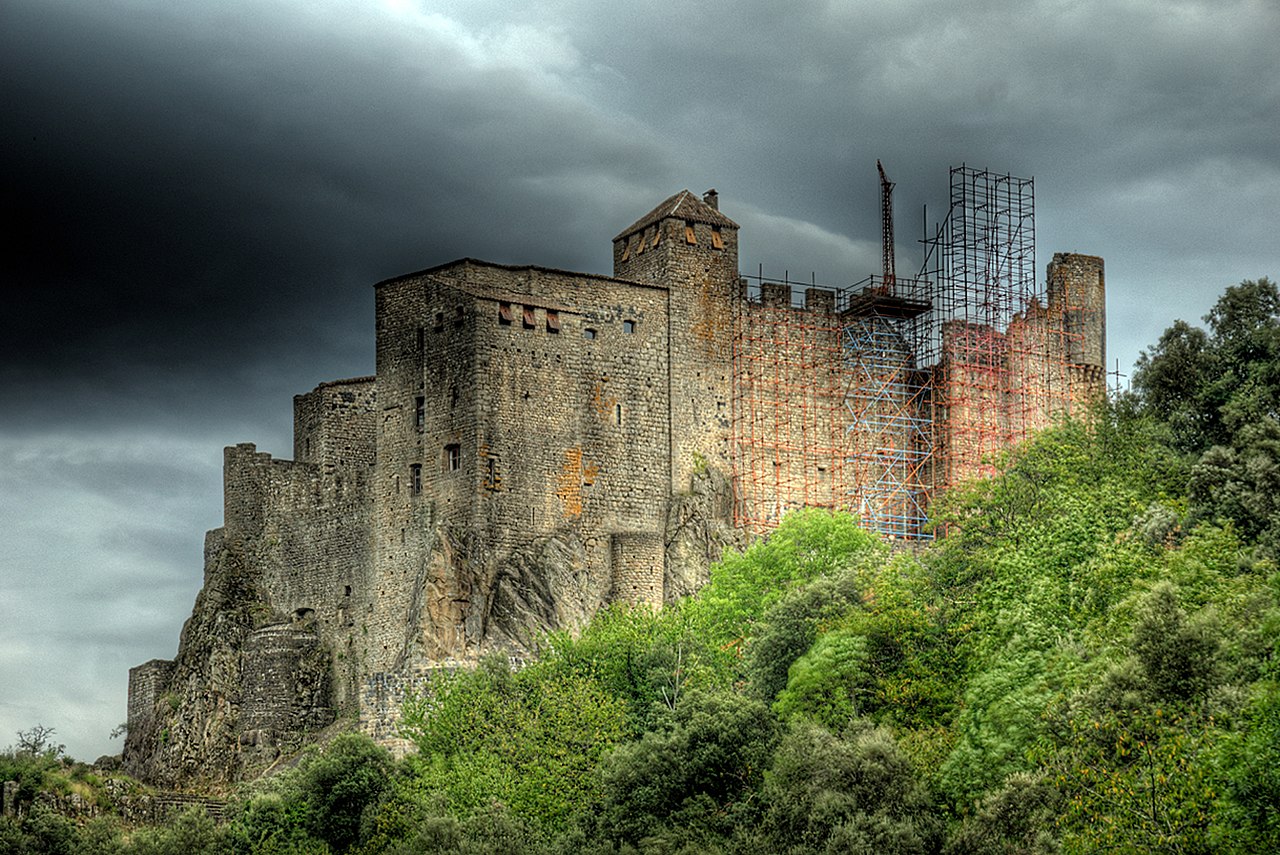
Geography and environment
The commune occupies a landscape characteristic of the Ardèche: rolling hills and valleys on the southern edge of the Massif Central. Local terrain often includes mixed farmland, woodlands, and limestone formations. Rivers and streams are common in the area, and the natural setting supports hiking, nature observation and seasonal outdoor pursuits. The climate is generally temperate with Mediterranean influences becoming stronger toward lower elevations.
History and built heritage
Meyras has roots that extend back through the medieval period, like many villages in the region. Its historic core typically features narrow streets, traditional stone houses and religious buildings reflecting Romanesque and later styles. Over the centuries the settlement developed around agriculture and local trade; surviving architecture and layout reflect that layered history.
Economy, tourism and amenities
The local economy is usually a mix of small-scale agriculture, artisan trades, services and tourism. Visitors come for the rural scenery, walking routes and cultural atmosphere. Typical attractions in communes of this kind include a parish church, civic buildings, viewpoints and local markets. Facilities often include small shops, cafés and seasonal tourist services catering to hikers and cyclists.
Administration and access
Meyras is administered by a municipal council and mayor, in line with French local government practice. Transport connections are commonly provided by departmental roads; regional rail and larger road links connect the area to nearby towns and cities. Public services are those expected in rural communes: primary schooling, basic health and communal amenities.
Notable facts and distinctions
- Part of the historic Vivarais cultural area within Ardèche.
- Offers typical outdoor recreation of the southern Massif Central foothills.
- Represents the rural character and village heritage common to many French communes.
For official information, local events or administrative details consult the commune's pages and regional resources maintained by departmental or regional authorities.
Related articles
Author
AlegsaOnline.com Meyras — commune in the Ardèche department of southern France Leandro Alegsa
URL: https://en.alegsaonline.com/art/64351