
Mexican wolf (Canis lupus baileyi)
The Mexican wolf, or lobo, is the smallest North American gray wolf subspecies. Once widespread in the U.S.–Mexico borderlands, it is now subject to captive breeding and reintroduction as an endangered predator.
Overview
The Mexican wolf (Canis lupus baileyi), commonly called the lobo, is a distinct subspecies of the gray wolf native to the southwestern United States and northern Mexico. It is widely regarded as the smallest of North America's gray wolves and is noted for its role as an apex carnivore in its former range. Populations fell dramatically in the 20th century, and the subspecies is now the focus of intensive recovery efforts.
Image gallery
7 Images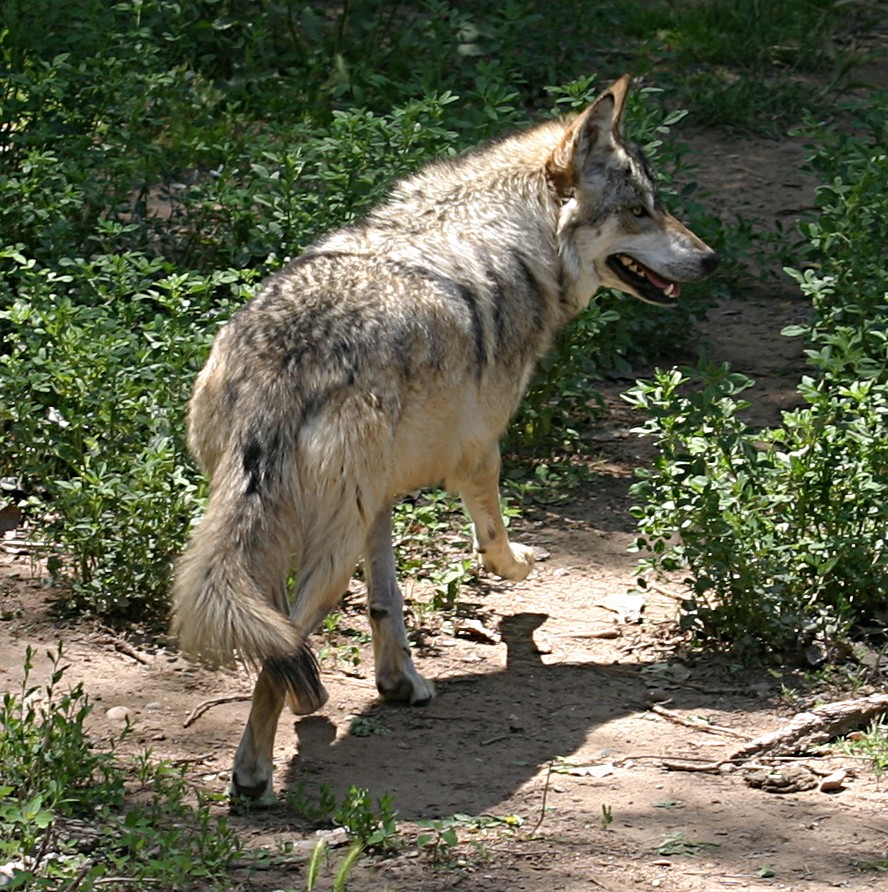





Appearance and behavior
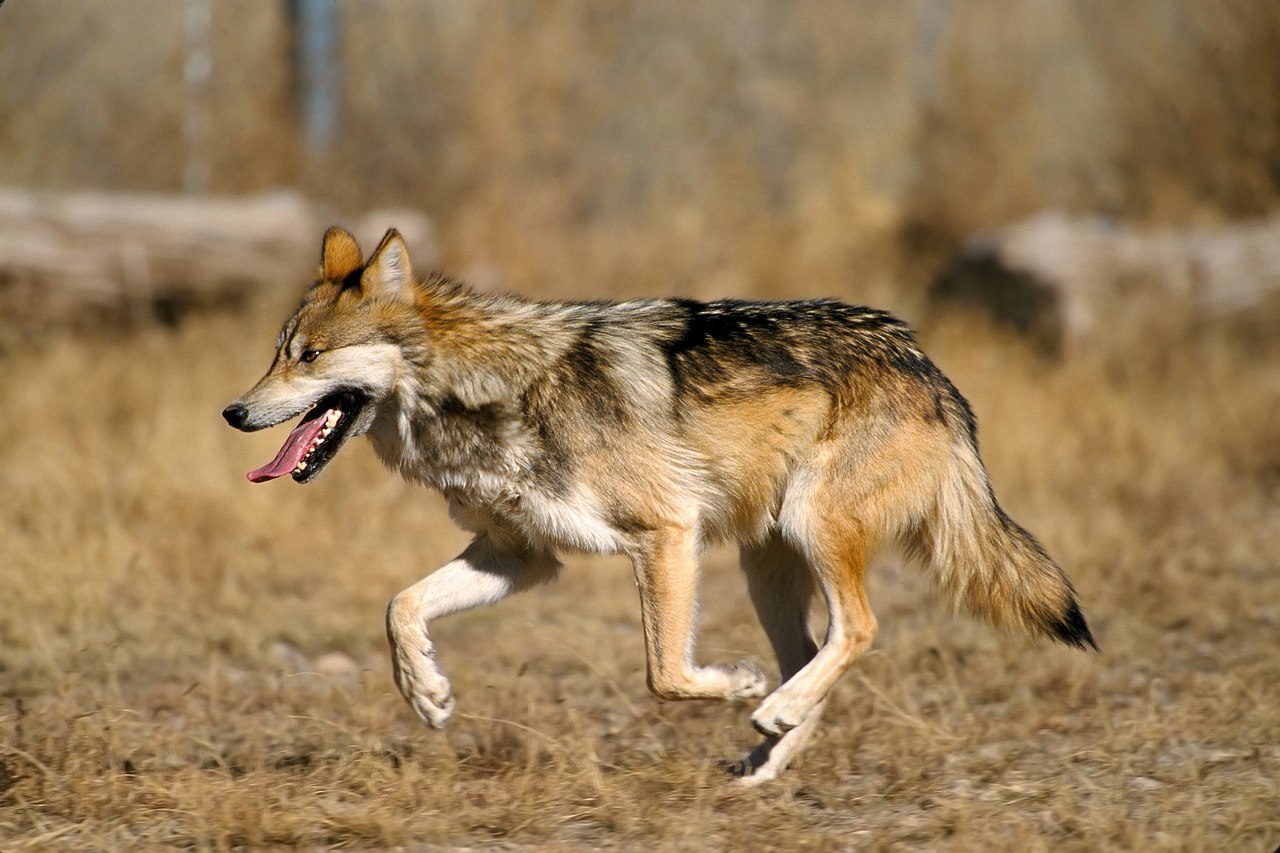
Mexican wolves are generally smaller and more lightly built than many northern wolf types. Coat colors vary from gray and brown to black and cream, often with warm or cinnamon tones on the face and legs. Like other wolves, they live and hunt in family packs, maintain territories, and communicate through scent marking, posture, and vocalizations. Breeding typically occurs once per year and packs cooperate in rearing pups.
Range, history and decline
Historically the subspecies occupied mountainous and desert-edge habitats across southeastern Arizona, southern New Mexico, western Texas and adjacent areas of northern Mexico. During the 19th and 20th centuries, habitat loss, predator control programs, and livestock conflicts led to local extirpation across most of that range. By the mid-1900s the lobo was functionally absent from the wild in the United States.
Conservation and recovery
Conservation actions have centered on captive-breeding, reintroduction and cooperative management across international boundaries. A formal reintroduction program began in the late 20th century, and agencies and non‑governmental partners continue to coordinate releases, monitoring and genetic management to maintain diversity. The subspecies is protected under endangered species legislation in the United States, and management plans seek to reduce human–wildlife conflicts and illegal killing.
Threats and management measures
- Habitat fragmentation and limited prey base.
- Conflict with livestock owners leading to lethal control.
- Small population size and the genetic risks of inbreeding.
- Need for continued monitoring, translocation and public engagement.
Significance and notable facts
The Mexican wolf plays an ecological role as a top predator by helping regulate ungulate populations and ecosystem processes. It also carries cultural value in the borderlands, reflected in the Spanish name lobo. For additional background and management updates see the species profile: Mexican wolf.
The recovery of this subspecies remains an active conservation challenge, requiring balanced policies that combine science-based reintroduction, local stakeholder involvement and long-term funding to ensure the lobo's persistence in the wild.
Author
AlegsaOnline.com Mexican wolf (Canis lupus baileyi) Leandro Alegsa
URL: https://en.alegsaonline.com/art/64329