
Menelik II, Emperor of Ethiopia (1889–1913)
Menelik II modernized Ethiopia, expanded its territory, and secured independence at the 1896 Battle of Adwa; he reigned as emperor from 1889 until 1913.
Overview
Menelik II (born 17 August 1844; died 12 December 1913) was Emperor of Ethiopia from 1889 until his death. He is widely remembered for consolidating imperial authority, initiating a program of modernization, and preserving Ethiopian independence amid European colonial expansion.
Image gallery
10 Images


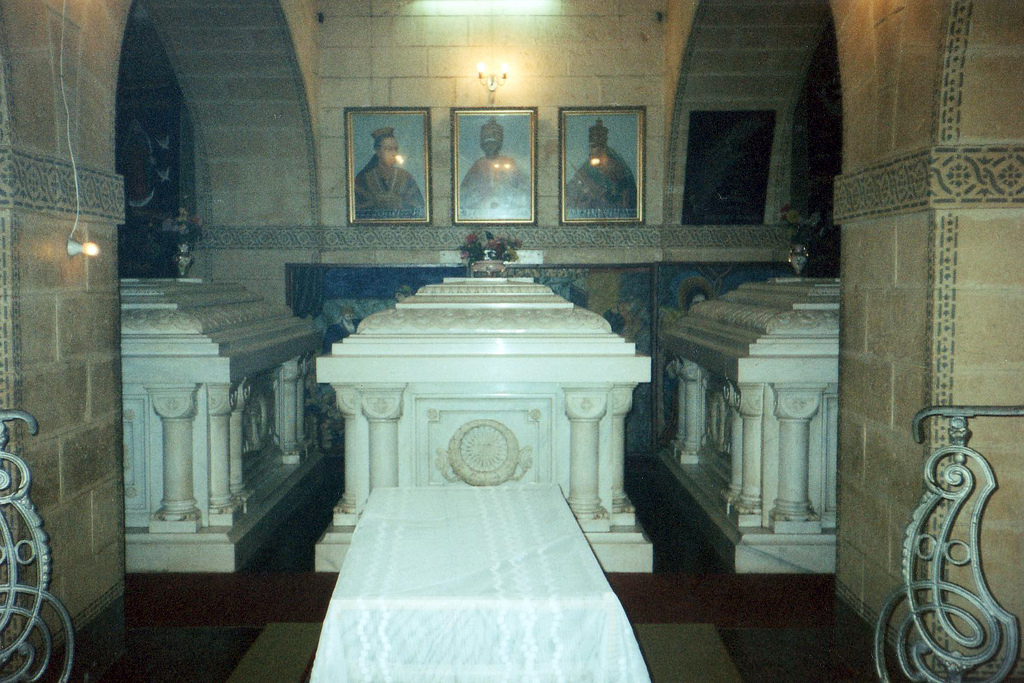

Early life and rise to power
Born in the Shewa region, Menelik gained experience as a regional ruler before claiming the imperial title. He succeeded at negotiating power among rival princes and was formally crowned emperor in 1889. His wife, Empress Taytu Betul, was an influential partner in political and military affairs during much of his reign.
Modernization and administration
Menelik pursued modernization to strengthen the state. His initiatives included building infrastructure such as roads and telegraph lines, encouraging introduction of modern weapons and military organization, fostering diplomatic ties with European powers to secure recognition, and promoting the growth of Addis Ababa as an administrative capital. These measures helped centralize administration and tax collection across a diverse territory.
Foreign policy and the Battle of Adwa
Menelik's reign is marked by skillful diplomacy and decisive military resistance. A dispute with Italy over the interpretation of a 19th-century treaty led to war in 1895–1896. Ethiopian forces defeated the Italians at the Battle of Adwa in 1896, a victory that secured Ethiopia's sovereignty and had wide-ranging symbolic importance for African and global politics.
Territorial expansion and legacy
Under Menelik the empire expanded to incorporate many regions that form modern Ethiopia. Expansion and centralization brought greater territorial unity but also complex relations with local communities. He left a mixed legacy: credited with keeping Ethiopia independent and launching state institutions, while historians also note the disruptive effects of conquest and administrative change on some societies.
Notable facts
- Coronation and reign: Emperor from 1889 to 1913, shaping Ethiopia's position in the colonial era.
- Diplomatic recognition: Menelik secured agreements and recognition from several European powers through negotiation and treaty-making.
- Battle of Adwa: A landmark victory that preserved Ethiopian independence and influenced anti-colonial movements.
- Modernization: Invested in infrastructure, communication, and military reform to strengthen central rule.
For primary documents and detailed studies, see selected resources and archives: further reading.
Related articles
Author
AlegsaOnline.com Menelik II, Emperor of Ethiopia (1889–1913) Leandro Alegsa
URL: https://en.alegsaonline.com/art/63797