
Mayor of Moscow
The Mayor of Moscow heads the city government of Russia's federal city, overseeing municipal services, urban policy, the city budget and administration with powers akin to a regional governor.
Overview
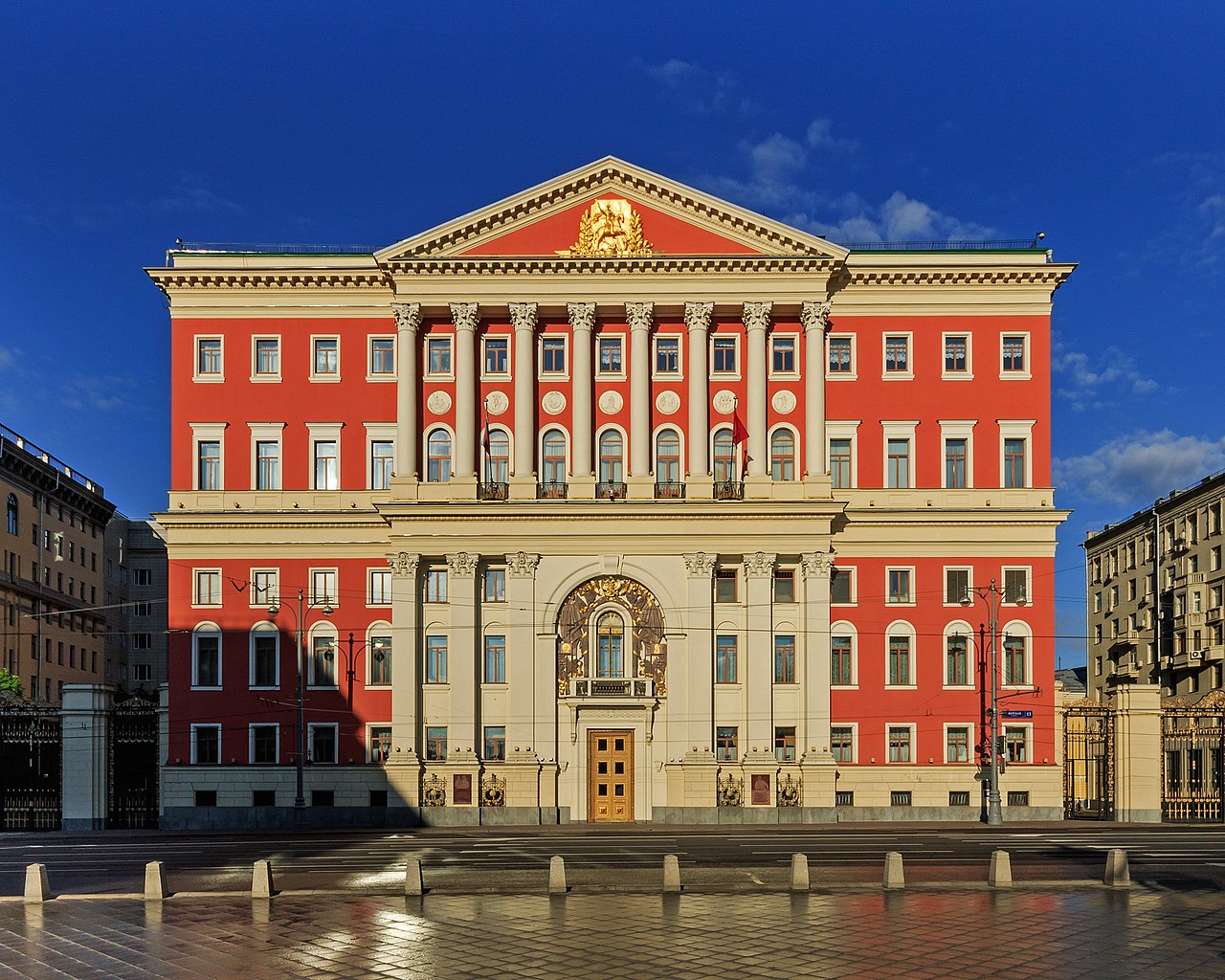
The Mayor of Moscow is the highest official of the executive branch for the City of Moscow, which is a federal subject of the Russian Federation. As the head of the Government of Moscow, the mayor directs the city's administration and represents Moscow in dealings with other regions and federal authorities. The office combines municipal executive responsibilities with some powers typically associated with regional governors because of Moscow's special status.
Image gallery
10 Images




Responsibilities and powers
The mayor's office is responsible for a broad range of city functions and policy areas. While specific competencies are defined by federal and regional law, core duties commonly include:
- Administering municipal services and public property, including housing, utilities and urban maintenance.
- Planning and regulating urban development, transport networks and public infrastructure projects.
- Managing the city budget and financial planning; Moscow maintains the largest municipal budget in the Russian Federation.
- Overseeing education, healthcare and social services delivered at the city level.
- Coordinating emergency services, municipal policing where applicable, and cooperation with federal law enforcement and security agencies.
- Appointing or proposing senior officials within the city government and supervising municipal agencies.
History and political role
The modern office evolved after the breakup of the Soviet Union when Moscow acquired clearer self-governing institutions. Throughout the post‑Soviet era the position has been politically prominent: holders of the office have wielded significant influence on national urban policy, regional politics and economic development. The powers and method of filling the office have changed over time in response to federal reforms and legislative updates.
Selection and term
Procedures for selecting the mayor have varied. In recent practice the position is filled through popular election, though legislation and federal practice at times have introduced appointment or confirmation elements. Term length and eligibility are determined by regional law; in recent cycles the term has commonly been set at five years. Candidates and elections are regulated to meet federal and municipal legal requirements.
Importance and distinctions
Moscow's mayor controls a uniquely large municipal apparatus and budget, making the post one of the most powerful subnational offices in Russia. The mayor's decisions affect transportation, housing, business environment and cultural life for millions of residents. For official information and resources related to the mayoral office, see the city's official portal: Government of Moscow.
Related articles
Author
AlegsaOnline.com Mayor of Moscow Leandro Alegsa
URL: https://en.alegsaonline.com/art/63134