
Manufahi Municipality, East Timor
Manufahi is a central-southern municipality of Timor-Leste with its capital at Same. It features upland terrain, subsistence agriculture, historical resistance, and communities working on development and cultural preservation.
Overview
Manufahi is a municipality in central-southern East Timor with the town of Same as its administrative centre. The municipality combines upland and lower-lying landscapes and is predominantly rural. Same serves as the local market town and the focal point for government services, education and basic health care for surrounding villages.
Image gallery
7 Images

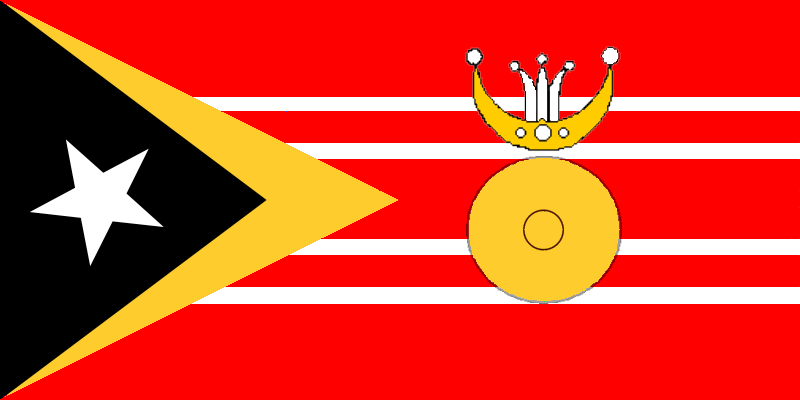


Geography and environment
The area is characterised by hilly and mountainous terrain that slopes toward the southern coast. Seasonal wet and dry periods influence farming cycles and river flow. Soils and elevation allow for mixed subsistence cropping and smallholder coffee cultivation in upland areas, while lower slopes and river valleys support other staple crops. Natural vegetation includes patches of forest and secondary growth, and local watercourses are important for daily needs and irrigation where available.
History
Manufahi has a long local history and is noted in national accounts for resistance during the colonial era and upheaval in the late 20th century. Communities were affected by Portuguese colonial policy, the subsequent Indonesian occupation, and the 1999 crisis that accompanied the transition to independence. These events have left a strong imprint on local memory and influenced patterns of development and reconstruction.
Economy and society
Most residents rely on subsistence agriculture, cultivating staple crops on small plots and keeping livestock for household use. Coffee is an important cash crop in upland areas, processed and sold through local markets and cooperatives. A range of local languages and cultural practices persist alongside the official languages, and communal activities such as markets and customary ceremonies remain central to social life.
Administration and development
As with other municipalities in Timor-Leste, Manufahi is organised into administrative posts, then sucos (villages) and aldeias (hamlets). National and international development programmes have focused on improving roads, water supply, schooling and health services, as infrastructure and access remain challenges in more remote places. Conservation and sustainable agriculture initiatives are considered important for future livelihoods.
- Capital: Same
- Location: Central-southern Timor-Leste
- Main activities: Subsistence farming, coffee production, local trade
- Notes: Significant local history of resistance; development priorities include roads, education and water services
Related articles
Author
AlegsaOnline.com Manufahi Municipality, East Timor Leandro Alegsa
URL: https://en.alegsaonline.com/art/61479
Sources
- web.archive.org : "Timor-Leste Population And Housing Census 2015"