
Maison-des-Champs — commune in Aube, north-central France
Maison-des-Champs is a small rural commune in the Aube département (Grand Est), north-central France. This article summarizes its location, character, history, administration, economy and visitor notes.
Maison-des-Champs is a small commune located in the Aube Aube area within the French administrative département system and situated in the north-central part of France. It belongs to the broader Grand Est region and exemplifies the many modest rural communes that dot the French countryside: a village nucleus surrounded by cultivated fields and small woodlands.
Image gallery
1 Image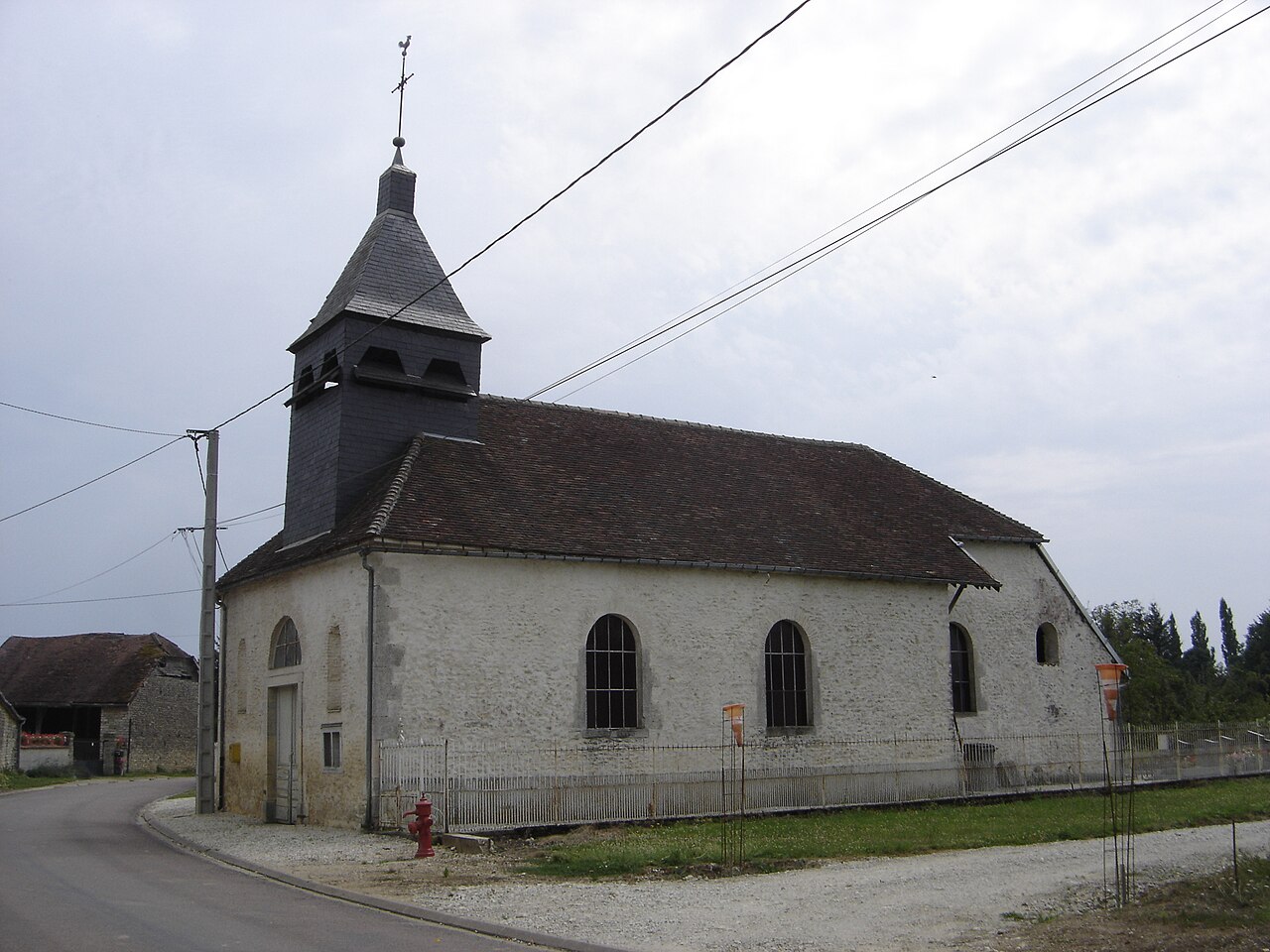
Characteristics and landscape
The settlement typically features a central cluster of houses, a municipal hall (mairie), often a church or chapel, and agricultural buildings. Roads connect the commune to nearby market towns and departmental routes. The landscape around Maison-des-Champs is predominantly agricultural — cereal crops, pastures and hedgerows — reflecting long-established land use patterns.
History and name
The name Maison-des-Champs literally means "house of the fields," indicating origins as a farming hamlet or estate. Like many French communes, its administrative identity dates from the upheavals of the late 18th century, when modern communes were established. Older traces of settlement may go back farther, but local archives and church records are the usual sources for more precise historical detail.
Administration and community life
Governance follows the usual French communal model: a mayor and municipal council manage local affairs such as basic services, planning and community events. Population figures tend to be small and stable or slowly declining in rural areas; services such as schools, shops and healthcare are often shared with neighboring communes or provided in nearby towns.
Economy, culture and uses
Economic activity centers on agriculture, small-scale artisanal enterprises and commuting to larger centers for work. Cultural life is typically organized around seasonal festivals, local markets and heritage days that highlight rural traditions. Visitors commonly come for quiet walks, countryside scenery and to observe vernacular architecture.
Notable facts and visiting
- Maison-des-Champs should not be confused with other localities that have similar names; always check the département when planning a visit.
- Typical attractions are the calm rural setting, historic village buildings and access to regional trails and markets.
- Practical information is usually obtained from the mairie or regional tourist offices in Aube and Grand Est.
Related articles
Author
AlegsaOnline.com Maison-des-Champs — commune in Aube, north-central France Leandro Alegsa
URL: https://en.alegsaonline.com/art/60821