
Mahout: traditional elephant keeper and handler in South and Southeast Asia
A mahout is a caregiver and driver of captive elephants, forming close bonds with an individual animal and using traditional tools and techniques for work, transport, ceremony and conservation roles.
A mahout is a person who cares for, trains and often rides a captive elephant. The term derives from a South Asian word (Hindi mahāvat) and is used across South and Southeast Asia to describe handlers who develop long-term working relationships with one or more elephants. Traditionally a mahout often starts young, living with a single elephant so that trust and routine grow over years.
Image gallery
5 Images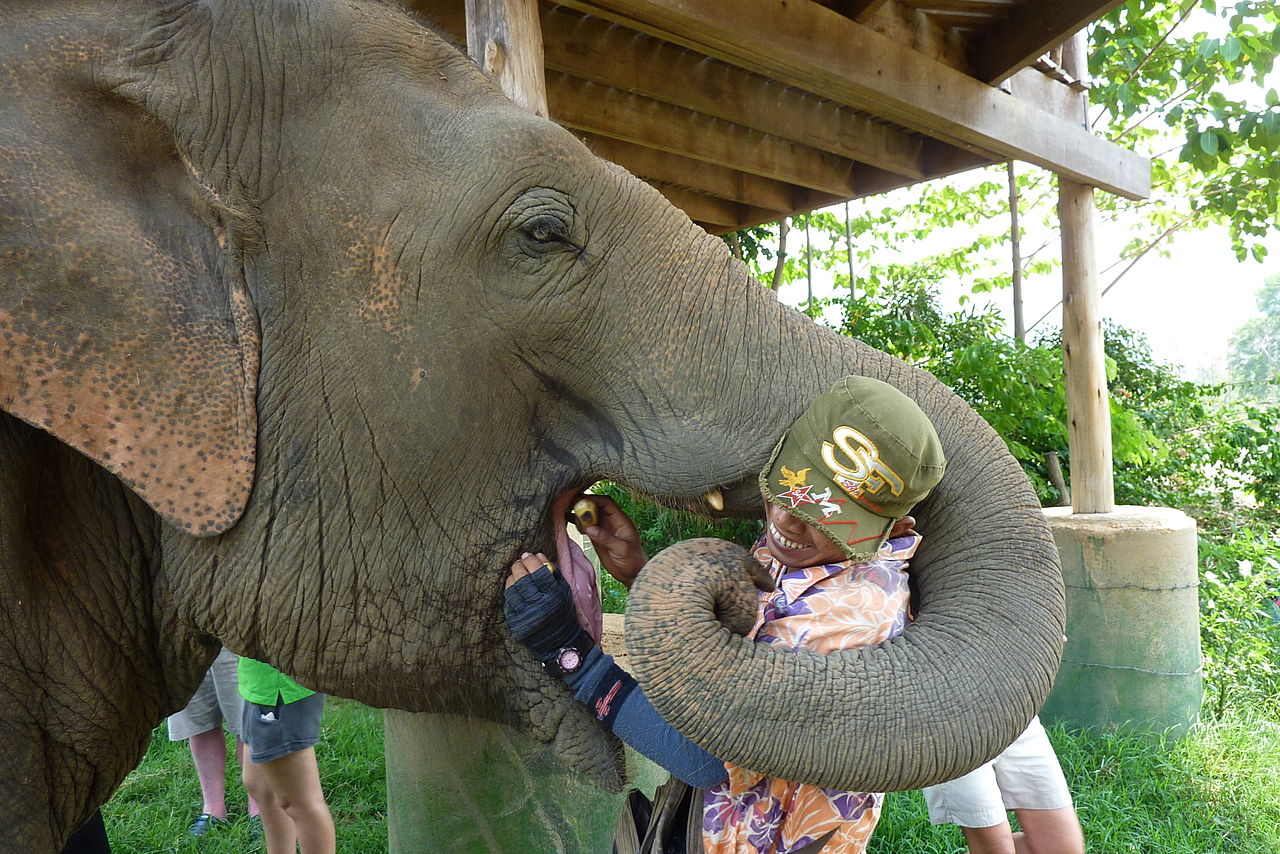


Etymology and social context
The name and role of the mahout are embedded in local social structures. In many communities the occupation is hereditary, passed within families who keep detailed practical knowledge of elephant behaviour, feeding and basic medical care. Mahouts have historically served in logging, transport, religious and royal contexts, and in some regions continue to be associated with ceremonial duties.
Roles and daily responsibilities
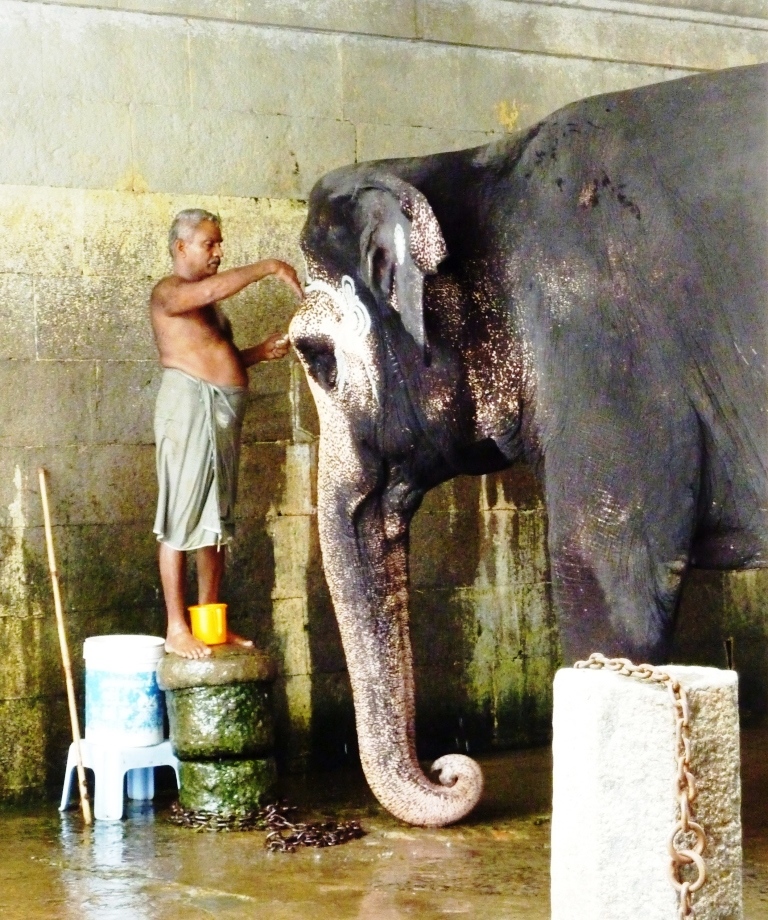
Daily care includes feeding, bathing, cleaning, checking feet and skin, and monitoring overall health. Mahouts guide elephants during work, on treks, and in public settings; they teach and reinforce commands and social rules. Responsibilities also extend to record-keeping, coordinating with veterinarians or forest authorities, and maintaining the animal's living area and tack.
Training, relationship and methods
Training emphasises rapport, routine and clear cues. The strongest relationships are built on consistent handling and predictable care. Many mahouts rely on vocal commands, physical cues and the longstanding familiarity that develops between handler and elephant, limiting the need for forceful measures.
Tools and techniques
Traditional implements exist to assist control and guidance. The best known is the hooked goad often called an ankusha, a metal hook used carefully to give pressure cues. Other aids include ropes, chains or poles, though practice and preference vary by culture and individual handler. Discussions about humane techniques and alternatives to invasive tools are increasingly common; see resources on tools and methods for further context.
Regional variations
Regional practices differ: in India, Sri Lanka, Thailand, Myanmar and other countries mahout traditions reflect local ecology, religion and law. Working roles range from forestry and agriculture to tourism and ceremonial functions. Regional training styles, terminology and social status of mahouts show significant diversity.
Contemporary issues
Modern concerns include animal welfare, changing legal frameworks, the impact of mechanization, and the economics of mahout livelihoods. Welfare debates focus on training methods, housing, veterinary care and the suitability of elephants for tourism or labour. Conservation and sanctuary programmes sometimes offer new roles for mahouts that prioritise care, rehabilitation and non-invasive management.
Cultural significance and legacy
Mahouts feature in folklore, art and history across Asia. Their knowledge contributes to understanding elephant behaviour and to practical conservation. While the role is changing, many communities still value mahout skills as custodians of traditional expertise and as frontline workers in human–elephant coexistence.
Notable facts
- Mahouts commonly form long-term bonds with individual elephants, which aids communication and safety.
- Training usually blends verbal commands, touch and routine; tools are supplementary and vary by tradition.
- Contemporary shifts in law and tourism are reshaping the profession and prompting new welfare-focused training.
For an overview of elephants and their relationship with handlers see general resources on elephants and specialized discussions of management tools and methods.


See also
- Chandani and her elephant (documentary about Sri Lanka's first female mahout)
- Thai Elephant Orchestra
Author
AlegsaOnline.com Mahout: traditional elephant keeper and handler in South and Southeast Asia Leandro Alegsa
URL: https://en.alegsaonline.com/art/60738