
Madrid, Iowa
Madrid is a small city in central Iowa, known for its small-town character, agricultural surroundings, and community institutions. It lies within reach of larger Iowa urban centers.
Madrid is a small city in central Iowa in the United States. It functions as a local service center for surrounding farms and residential neighborhoods and is one of many modest-sized incorporated communities that dot the American Midwest. Residents typically commute to nearby larger towns for some jobs and services while maintaining a local identity rooted in community institutions.
Image gallery
4 Images
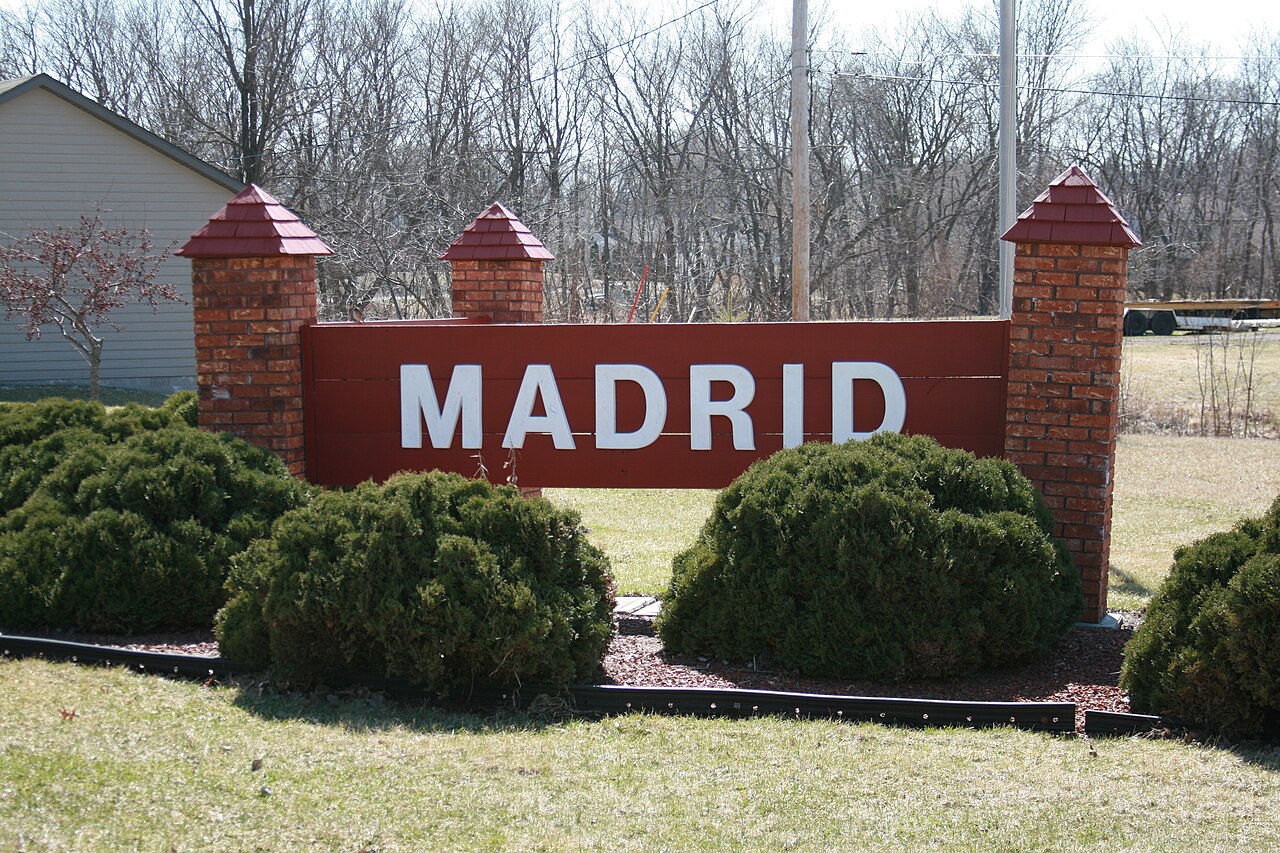


Geography and layout
The city occupies a compact area with a mix of residential streets, a commercial downtown, school facilities and parks. Its landscape is dominated by gently rolling farmland typical of central Iowa. Public amenities commonly include a city park, community buildings, and small-business corridors that serve daily needs. The town’s scale makes most destinations reachable on foot or by short drives.
History and development
Like many Midwestern towns, Madrid grew during the 19th-century settlement of the region. Rail lines, roads and agriculture shaped its early development, encouraging trade, grain storage and small manufacturing. Over time the community adapted to changes in transportation and farming, preserving historic buildings while adding modern services for residents.
Economy and community life
The local economy includes agricultural support services, small retail, light industry and professions. Schools, volunteer organizations, churches and civic clubs provide social structure and local events. Annual festivals, community markets and school sports often form focal points for civic life and bring together long-time residents and newcomers.
Government, services, and notable facts
Governance typically follows a municipal model with elected officials and city staff responsible for utilities, planning and public works. Madrid is one of many small American cities that combine rural surroundings with accessible community services. For visitors and researchers, such towns offer examples of regional history, local governance and the continuing role of small cities in the wider economic landscape.
- Common community features: schools, parks, small businesses, civic events.
- Regional context: within commuting distance of larger Iowa urban centers.
- Interest to visitors: local history and small-town cultural events.
Related articles
Author
AlegsaOnline.com Madrid, Iowa Leandro Alegsa
URL: https://en.alegsaonline.com/art/60524