
Lorenzo Ghiberti (1378–1455)
Italian Renaissance sculptor, metalworker and writer best known for the bronze doors of Florence's Baptistery, pioneering relief perspective, running a productive workshop, and leaving important artist's writings.
Lorenzo Ghiberti (born Lorenzo di Bartolo; 1378 – 1 December 1455) was an Italian sculptor, metalworker and architect whose career was central to the early Renaissance in Florence. Trained in the goldsmith's craft, he combined technical mastery of bronze casting and chasing with an interest in classical motifs and spatial illusion, producing civic and religious commissions of great refinement.
Image gallery
10 Images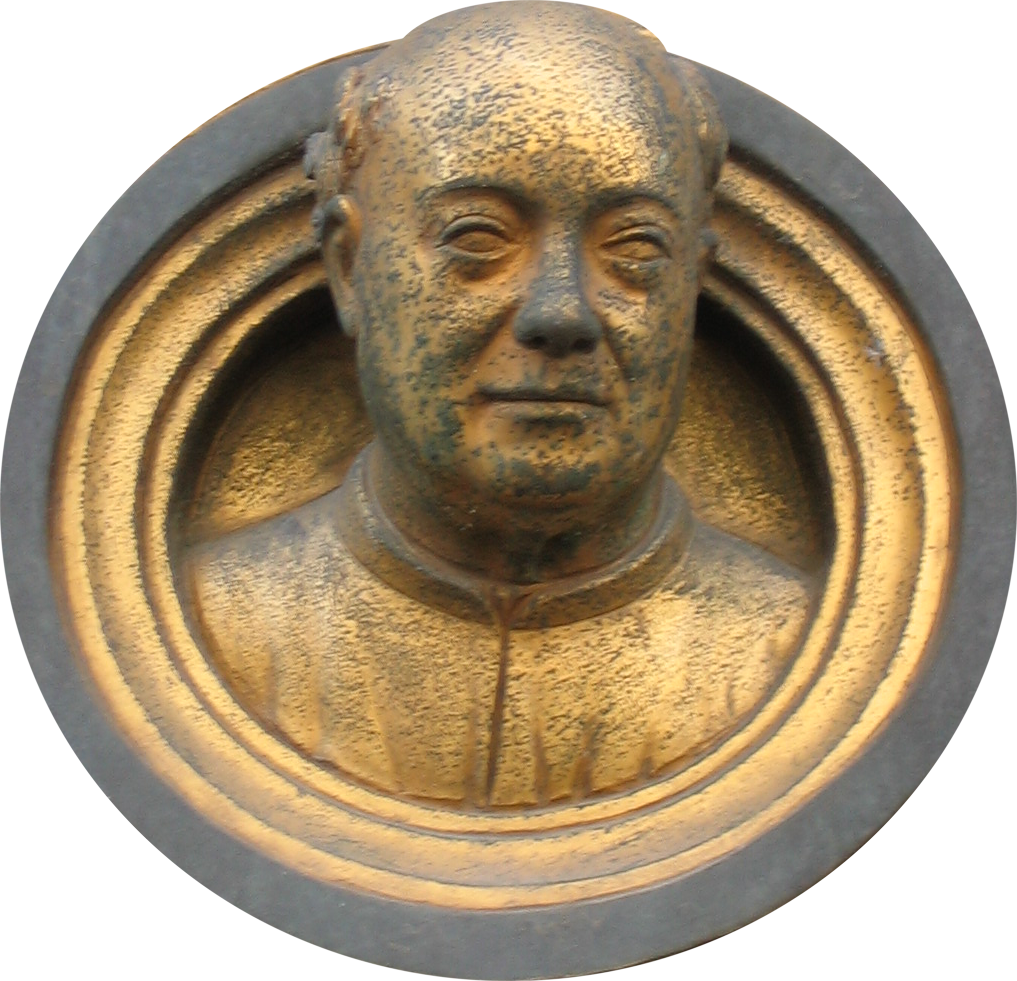


Early life and training
Ghiberti received his first training in the small-scale arts of metalwork and gilding, skills that later allowed him to supervise complex bronze casting and finishing. His winning of a celebrated public contest in 1401 brought him to prominence and set the course for a lifetime of major civic work.
Major commissions
After the competition he was commissioned to make doors for the Baptistery of San Giovanni. He produced an earlier set of panels and, later, the famous east doors — a set of large, highly polished narrative panels that came to be known as the "Gates of Paradise." These doors combine gilded bronze relief with ornamented frames and a carefully ordered pictorial program. The group of commissions for the Baptistery of San Giovanni established his reputation across Italy.
Technique, workshop and pupils
Ghiberti worked in a shallow, highly finished relief that uses foreshortening and layered figures to suggest depth. He employed casting techniques derived from the lost-wax tradition together with extensive chasing and gilding to refine surfaces. His workshop became a major training ground: a number of younger sculptors and artisans who later achieved independent fame were associated with his studio, and the organization of his shop set a model for large Renaissance workshops.
Writings and influence
Late in life Ghiberti wrote notes and recollections about artists, patrons and practical techniques. These writings, often referred to as his Commentarii, are an important source for historians studying early Renaissance practice and the artistic milieu of Florence. His success in public art projects and his integration of classical references with naturalistic detail influenced sculptors and architects across the fifteenth century.
Legacy and preservation
Ghiberti's doors and bronzes have been celebrated for centuries for their technical brilliance and narrative clarity; the east doors attracted praise from later artists and critics and helped to define expectations for civic bronze work. Many original bronzes have been conserved and are displayed in museum settings to protect them from weathering, while replicas or protected installations allow the public to appreciate his designs at the Baptistery. The combination of artistic innovation, technical control and workshop leadership secures Ghiberti's place as a key figure in the transition from medieval to Renaissance art and in the visual culture of early Quattrocento Florence.
Related articles
Author
AlegsaOnline.com Lorenzo Ghiberti (1378–1455) Leandro Alegsa
URL: https://en.alegsaonline.com/art/59241