
Lom, Norway: municipality of mountains, culture and national parks
Lom is a mountainous municipality in central Norway's Gudbrandsdal region, known for historic Lom Stave Church, access to Jotunheimen and high peaks, traditional farming and mountain tourism.
Overview
Lom is a rural municipality in central Norway, traditionally part of the Gudbrandsdal valley. It has long been a gateway between lowland valleys and the high mountains of Jotunheimen. The administrative centre is the village of Fossbergom, and the municipality traces its formal establishment to the 19th century. For administrative purposes it has been associated with Oppland in older sources and with the larger Innlandet county in recent reorganizations. For more municipal details see municipality page and general context on Norway.
Image gallery
5 Images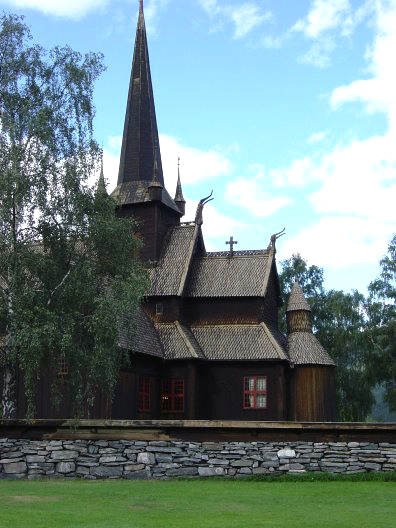


Geography and landscape
Lom covers a large area of rugged terrain with valleys, river systems and alpine plateaus. Much of the municipality lies along the western edge of the Gudbrandsdal valley and rises into the Jotunheimen mountain range. This landscape includes some of Norway's highest summits and offers extensive hiking, climbing and glacier scenery. The location of Fossbergom and surrounding settlements reflects long traditions of mountain farming and seasonal pasturing.
History and cultural heritage
The modern municipality dates from the national municipal reforms of 1838, and it later changed shape when neighbouring areas such as Skjåk separated in the 19th century. Lom is notable for its well-preserved medieval stave church, which attracts visitors interested in Norway's wooden architecture and ecclesiastical history. Local museums and farmsteads preserve vernacular buildings, rural crafts and costume traditions tied to the Gudbrandsdal cultural area. For region-level information see Gudbrandsdal.
Economy, tourism and outdoor activities
Traditional agriculture—sheep, dairy and summer mountain farms—remains important alongside a growing tourism sector. Lom is a popular base for excursions into Jotunheimen National Park, guided climbs to Norway's highest mountains, and scenic drives such as the mountain road to the Sognefjord area. Activities include hiking, skiing, glacier walking and cultural tourism focused on the stave church and local museums. Practical travel information and local services are centred on Fossbergom.
Notable facts and distinctions
- Lom is often used as a staging point for ascents of major peaks in Jotunheimen.
- The Lom Stave Church is among the best-known medieval wooden churches in Norway.
- Its combination of high mountains and well-preserved farming traditions makes Lom important for both outdoor recreation and cultural heritage.
Visitors and students of Norwegian culture find Lom a compact example of the interplay between rugged mountain environment and long-standing rural life, where nature, history and local communities remain closely connected.
Related articles
Author
AlegsaOnline.com Lom, Norway: municipality of mountains, culture and national parks Leandro Alegsa
URL: https://en.alegsaonline.com/art/58946
Sources
- lom.kommune.no : "Guiding in Lom Stavechurch"
- commons.wikimedia.org : Lom, Norway