
Līgatne, Latvia: town of nature trails and industrial heritage
Līgatne is a small Latvian town on the Gauja River, known for its natural trails, sandstone cliffs, historical mill and workers' settlement. It has held town rights since 1993.

Overview
Līgatne is a small town in central Latvia, situated on the banks of the Gauja River in the Vidzeme region. It combines a compact built environment with immediate access to river valleys, woodland and protected areas. Administratively it became a town in the modern sense when it received town rights in 1993.
Image gallery
2 Images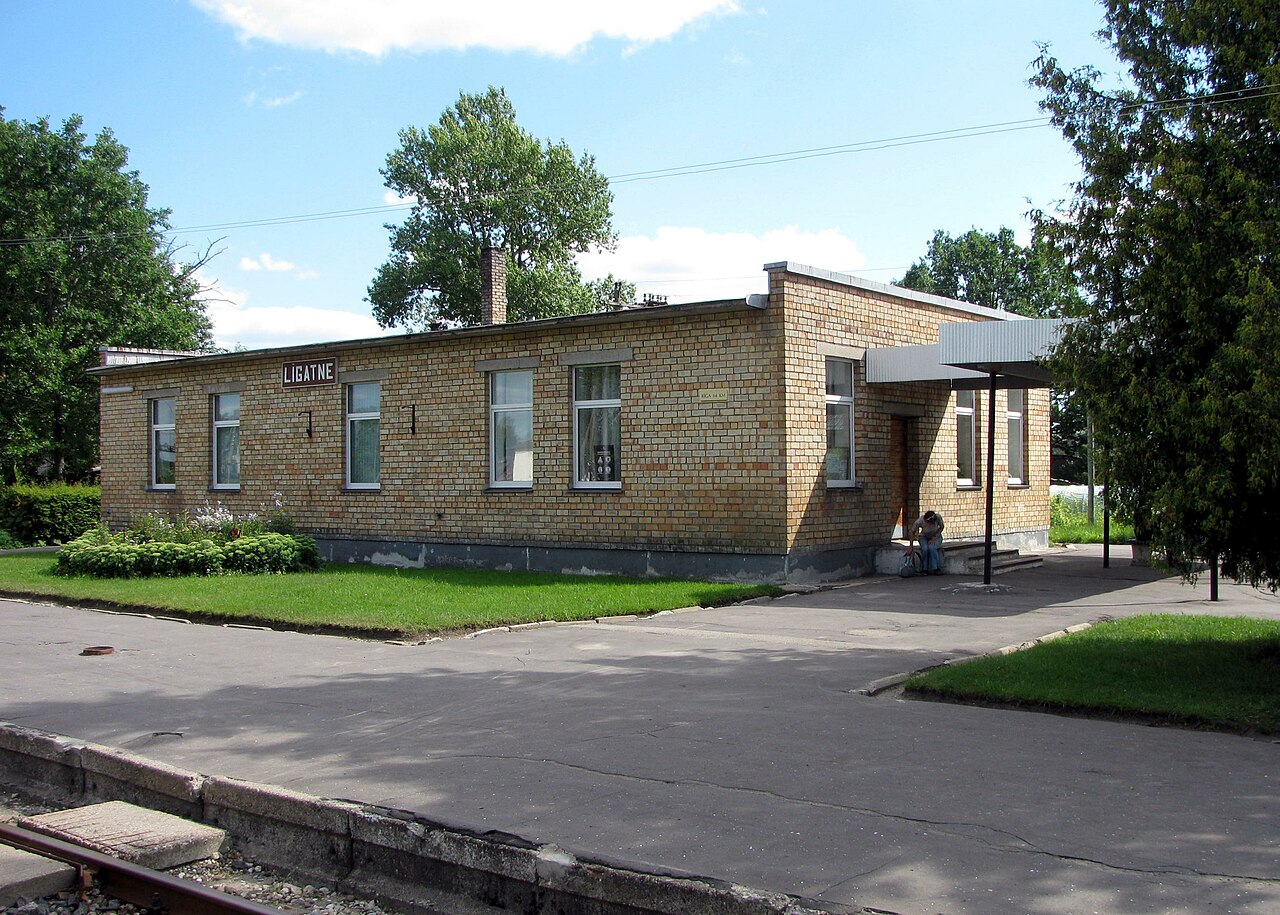

Characteristics and built features
The settlement is characterised by a cluster of historic wooden buildings and a former industrial complex that reflect its development as an estate and manufacturing centre. Narrow streets, workers' cottages and remnants of paper‑manufacturing facilities give Līgatne a distinctive historic atmosphere. Sandstone outcrops and river meanders shape the surrounding landscape.
Historical development
Līgatne evolved around an estate and later industrial activity on the Gauja’s banks. During the 19th and early 20th centuries the area developed infrastructure connected with milling and paper production and housing for workers. Over time those functions diminished, leaving a legacy of built heritage that today is interpreted for visitors and local use.
Nature, recreation and attractions
The immediate countryside is a focal point for outdoor recreation. Walking paths, viewpoints above sandstone cliffs, river activities and wildlife enclosures attract visitors interested in geology, birdwatching and easy hiking. The town functions as a gateway to nearby protected areas and trails that run along the Gauja valley.
Visiting and significance
Līgatne is valued for combining cultural history with natural landscapes. It is accessible from larger Latvian population centres and commonly visited on day trips. Practical visitor information and local events are available from municipal sources; for official details see local information.
- Historic workers' housing and industrial remains
- Riverside and cliff walking routes
- Wildlife and nature trails
As a small town with a strong association to the Gauja valley, Līgatne illustrates how rural industry and natural landscapes can shape local identity and attract nature‑oriented tourism.
Related articles
Author
AlegsaOnline.com Līgatne, Latvia: town of nature trails and industrial heritage Leandro Alegsa
URL: https://en.alegsaonline.com/art/57921