
Laurel, Mississippi
Laurel is a city in Jones County, Mississippi, known for its timber‑era origins, historic downtown architecture, and recent cultural revitalization that boosted heritage tourism and local businesses.
Overview
Laurel is a city in southeastern Mississippi that serves as the second county seat of Jones County. The community is part of the state of Mississippi and had a population of 18,540 according to the 2010 census. Laurel functions as a regional center for commerce and services in its part of the state.
Image gallery
5 Images


History and development
Founded in the late 19th century, Laurel grew rapidly during the era when southern pine forests were harvested and railroads expanded. The combination of abundant timber and improved transportation attracted sawmills, related manufacturing, and workers, which shaped the town’s early economy and physical layout. Many of the downtown buildings and residential neighborhoods date from this boom period, reflecting popular architectural styles of the time.
Characteristics and landmarks
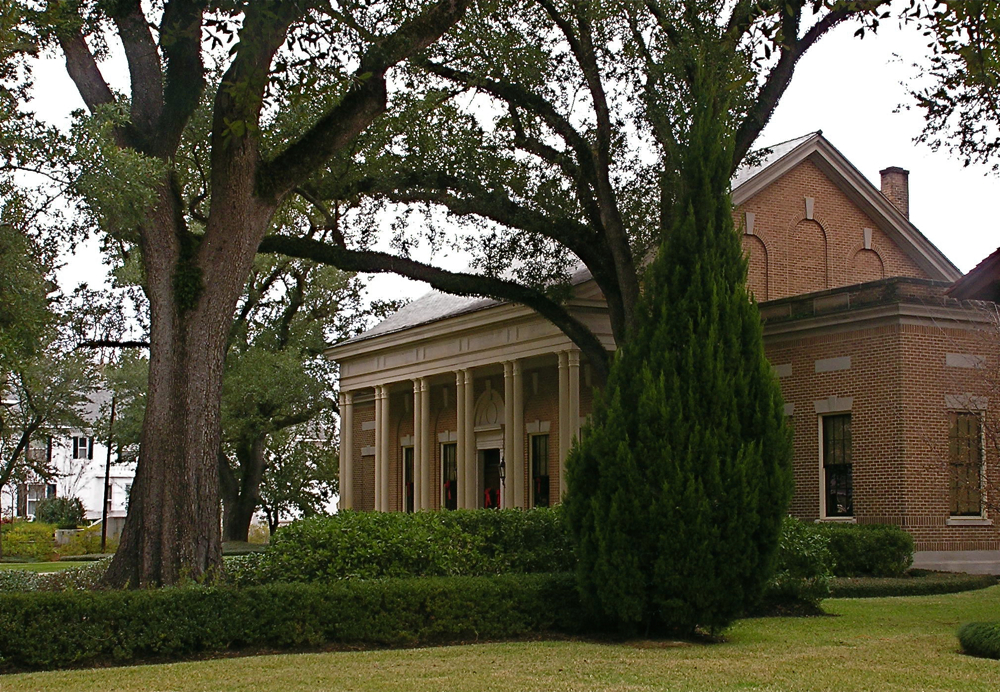
Laurel is noted for its compact historic downtown and a stock of well‑preserved commercial and domestic architecture. That district, along with nearby neighborhoods, has become a focus of preservation and reuse efforts. Typical features include brick storefronts, late Victorian and early 20th‑century houses, and small civic buildings.
- Historic downtown and architecture
- Local shops, galleries, and small manufacturers
- Community festivals and events that draw regional visitors
Economy, culture and revitalization
Historically driven by the lumber and related industries, Laurel’s economy diversified over the 20th century to include manufacturing, retail, and services. In recent years the city attracted attention for downtown revitalization, heritage tourism, and creative small business growth. Cultural projects and media exposure have helped increase visitor interest and investment in restoration of historic properties.
Notable facts and distinctions
Laurel is one of a small number of U.S. counties with dual county seats, a legacy of travel distances and local politics that favored two administrative centers. Its timber‑era origins give the city a distinct built environment and community identity. Today Laurel balances historic preservation with efforts to foster a resilient local economy and welcoming community life.
For more local information and resources, consult municipal and county sources or regional guides that cover history, tourism, and civic services.
Related articles
Author
AlegsaOnline.com Laurel, Mississippi Leandro Alegsa
URL: https://en.alegsaonline.com/art/56304
Sources
- factfinder.census.gov : "Geographic Identifiers: 2010 Census Summary File 1 (G001): Laurel city, Mississippi"