
Lahore District
An overview of Lahore District in Punjab, Pakistan: geography, history, administration, economy and key cultural landmarks of the provincial capital, Lahore.
Overview
Lahore District is a prominent administrative district in the eastern part of the Punjab province of Punjab. It contains the metropolitan area centered on the city of Lahore, which serves as both the district seat and the provincial capital of Pakistan. The district functions as a major political, cultural and economic hub in the country.
Image gallery
4 Images


Geography and urban structure
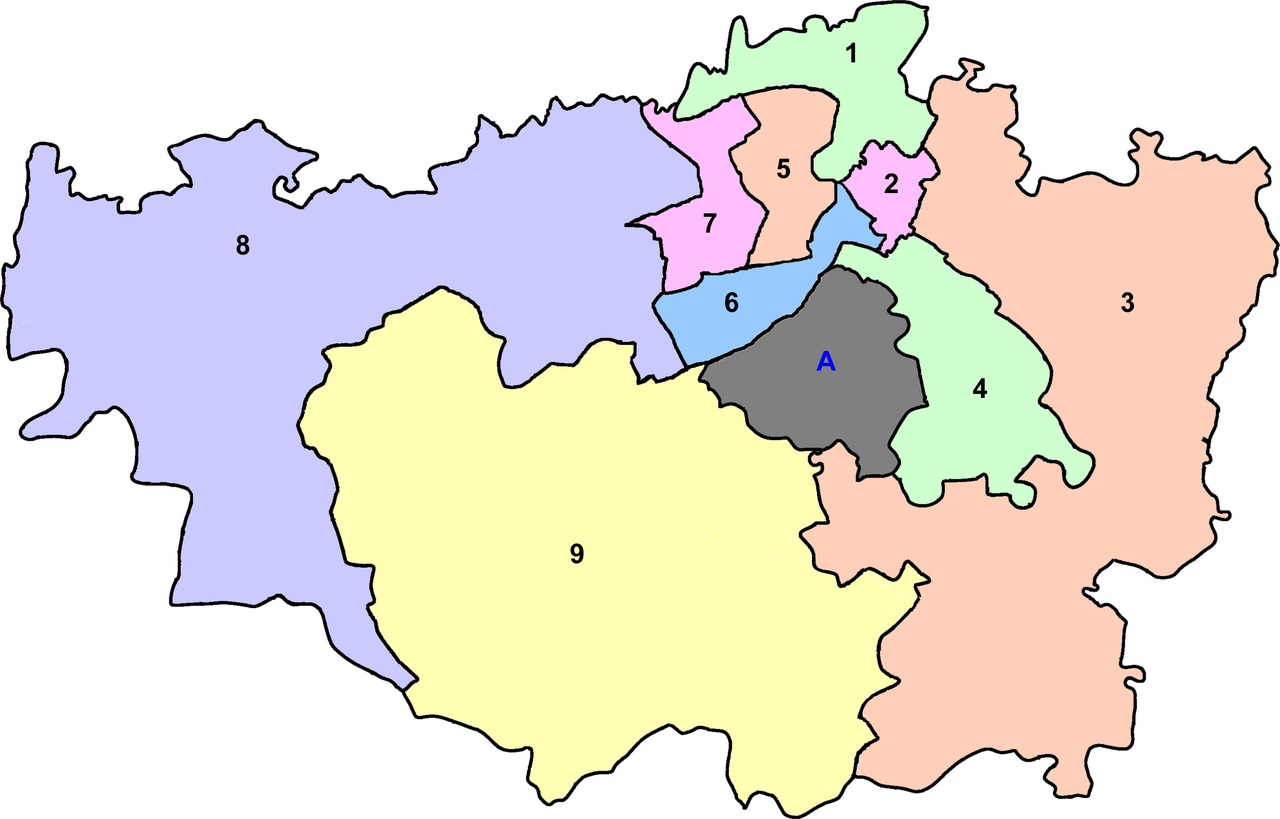
The district lies close to the Ravi River and covers a densely populated urban and peri-urban area. Its territory includes the historic Walled City, modern commercial zones, residential neighborhoods, industrial corridors and transport links such as the international airport and major roadways. Green spaces, parks and institutional campuses are interspersed with traditional bazaars and new developments.
History and development
Lahore has a long history, with layers of pre-modern, medieval and colonial occupation. It rose to prominence under various regional empires and became a major center during the Mughal period, leaving an architectural legacy of forts, mosques and gardens. British colonial rule reshaped urban administration and infrastructure, and the city later became a focal point during the 1947 partition and subsequent national development.
Administration and governance
The district is subdivided for local administration into multiple municipal and cantonment zones, further organized into smaller units such as tehsils and union councils. These bodies manage services like sanitation, planning, education and local taxation, while provincial agencies handle wider infrastructure, health and law-and-order responsibilities.
Economy, education and culture
Lahore District is a major center for industry, trade, education and the arts. It hosts leading universities, research institutions and cultural organizations, making it a national center for higher education and publishing. The local economy includes manufacturing, finance, retail, film and media (often referred to as "Lollywood"), tourism and a diverse services sector.
Notable places
- Historic sites: forts, mosques and Mughal gardens that attract visitors and scholars.
- Museums and cultural venues: institutions preserving art, manuscripts and regional history.
- Modern infrastructure: major universities, hospitals, airports and commercial districts.
As the seat of provincial government and a long-standing cultural capital, the district remains central to Pakistan's political life, artistic expression and urban development. For official and administrative details, local government portals and provincial sources provide up-to-date information on boundaries, services and civic programs.
Related articles
Author
AlegsaOnline.com Lahore District Leandro Alegsa
URL: https://en.alegsaonline.com/art/55420