
La Chapelle-Saint-Luc
La Chapelle-Saint-Luc is a suburban commune next to Troyes in the Aube department of Grand Est, north-central France, noted for its residential districts, local industry and community facilities.
La Chapelle-Saint-Luc is a commune located directly adjacent to the city of Troyes in the Aube Aube département in north‑central France. It functions largely as a suburban municipality with close economic and social ties to Troyes, sharing transport links, services and cultural life. The town's built environment combines residential neighborhoods, light industrial areas and public amenities.
Image gallery
1 Image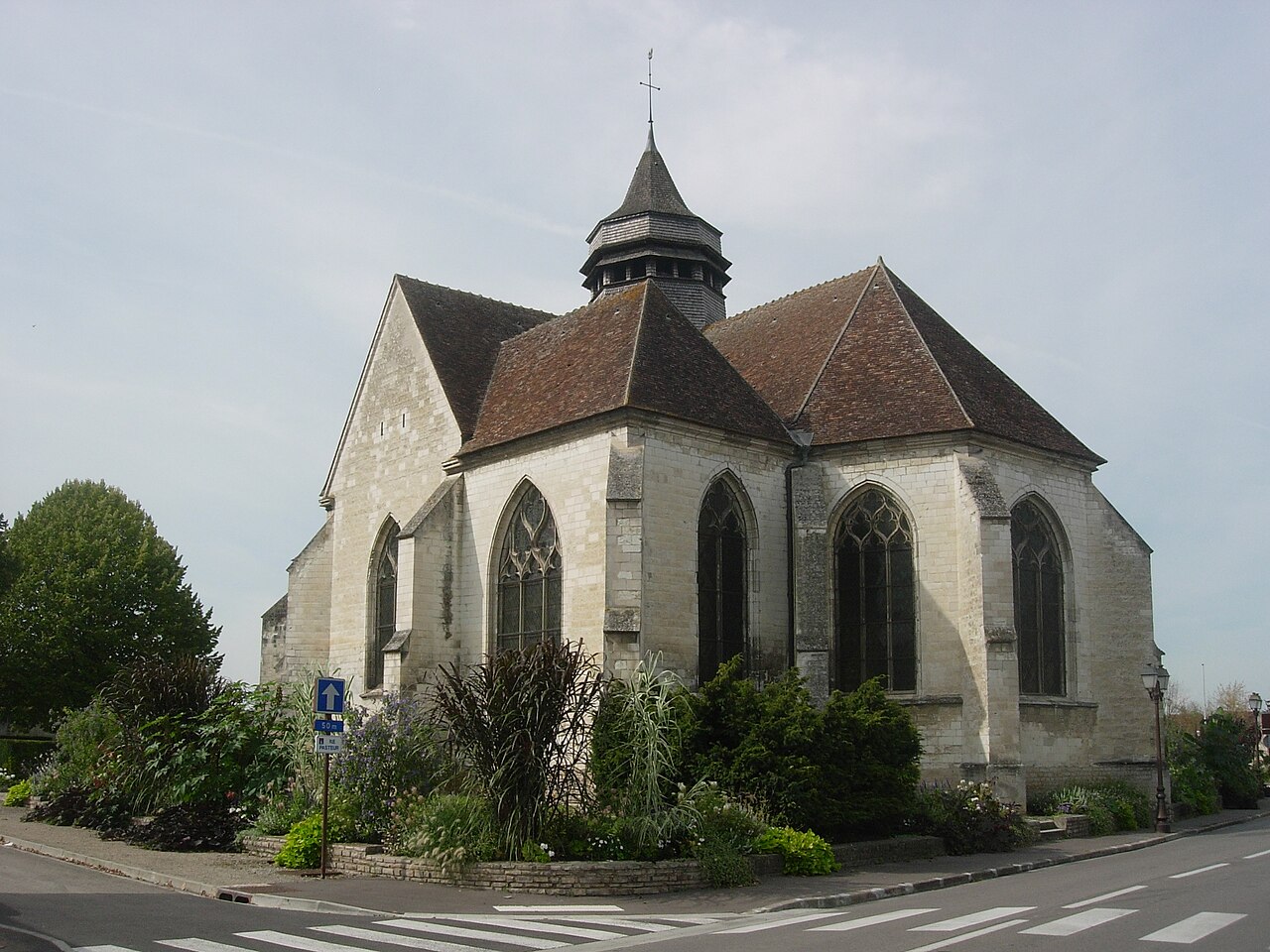
Geography and layout
The commune occupies part of the Seine valley plain around Troyes and is characterized by relatively flat terrain and a mix of housing, parks and commercial zones. Streets and blocks nearest the city center are denser, while outer quarters feature more open spaces and small industrial estates. Local green areas and community facilities serve residents of all ages.
History and development
The place-name refers to an early chapel and the dedication to Saint Luke (Saint Luc), a common medieval toponymic pattern in France. Over the 19th and 20th centuries La Chapelle-Saint-Luc evolved from a village into a suburban commune as Troyes expanded. Industrial and residential growth in the modern era reinforced its role as a commuter and local employment center.
Administration and transport
As a French commune it is governed by a municipal council and mayor and participates in intercommunal structures centered on Troyes for shared services. Road and public transport connections link the town to Troyes railway station and regional highways; major motorways serving the wider Aube area provide access to other regions.
Economy, services and culture
The local economy blends small and medium enterprises, retail, light industry and service businesses. Educational, sporting and cultural facilities—such as primary schools, leisure centres and community events—contribute to civic life. Annual festivals and neighborhood associations reflect a lively municipal culture rooted in suburban and regional traditions.
Notable facts and identity
- Closely integrated with the urban area of Troyes while preserving a distinct municipal identity.
- An example of suburban growth common to many French communes in the 20th century.
- Local planning balances housing, employment zones and public green spaces to serve residents.
For practical information such as administrative contacts, events and services, the town's municipal channels and regional resources provide current details and schedules.
Related articles
Author
AlegsaOnline.com La Chapelle-Saint-Luc Leandro Alegsa
URL: https://en.alegsaonline.com/art/54902