
Koper — Slovenian Adriatic port city (Capodistria)
Koper is a coastal city in southwestern Slovenia, known as the country's main commercial port, a medieval old town with Venetian heritage, and a bilingual Slovene–Italian community.
Koper is a coastal city in southwestern Slovenia and is traditionally ranked as the fifth-largest city in the country. Located on the northern edge of the Adriatic Sea, Koper (Italian: Capodistria) serves both as a regional urban center and as Slovenia's principal commercial seaport, giving it outsized economic importance relative to its size.
Image gallery
10 Images


Geography and climate
The urban core sits on a small coastal plain in the Istrian peninsula and is sheltered by a long tidal lagoon and nearby headlands. The area enjoys a Mediterranean climate with mild, wet winters and warm, dry summers, which shapes local agriculture, tourism and seaside recreation. Nearby towns such as Piran and Portorož form a compact coastal zone with shared cultural and natural attractions.
Historical overview
Koper has medieval origins and displays a layered history visible in its architecture and street plan. It developed under the influence of the Venetian Republic and retains many Venetian Gothic and Renaissance buildings. Over subsequent centuries administrative control shifted among regional powers, and in the 20th century the city experienced border and political changes that reflected broader European realignments. This history contributes to Koper's bilingual and multicultural character.
Economy and the port
The Port of Koper is the most important freight gateway for Slovenia and an important hub for Central European trade. Modern container terminals, bulk-handling facilities and integrated logistics services connect the Adriatic quay to rail and highway networks inland. Shipping, warehousing and transport services are major employers, while smaller sectors such as fishing, ship repair and light industry also operate in the coastal zone.
Culture, education and landmarks
Koper's compact old town features promenades, squares and public buildings that reflect its maritime past. Notable sites include:
- the Praetorian Palace and town loggia
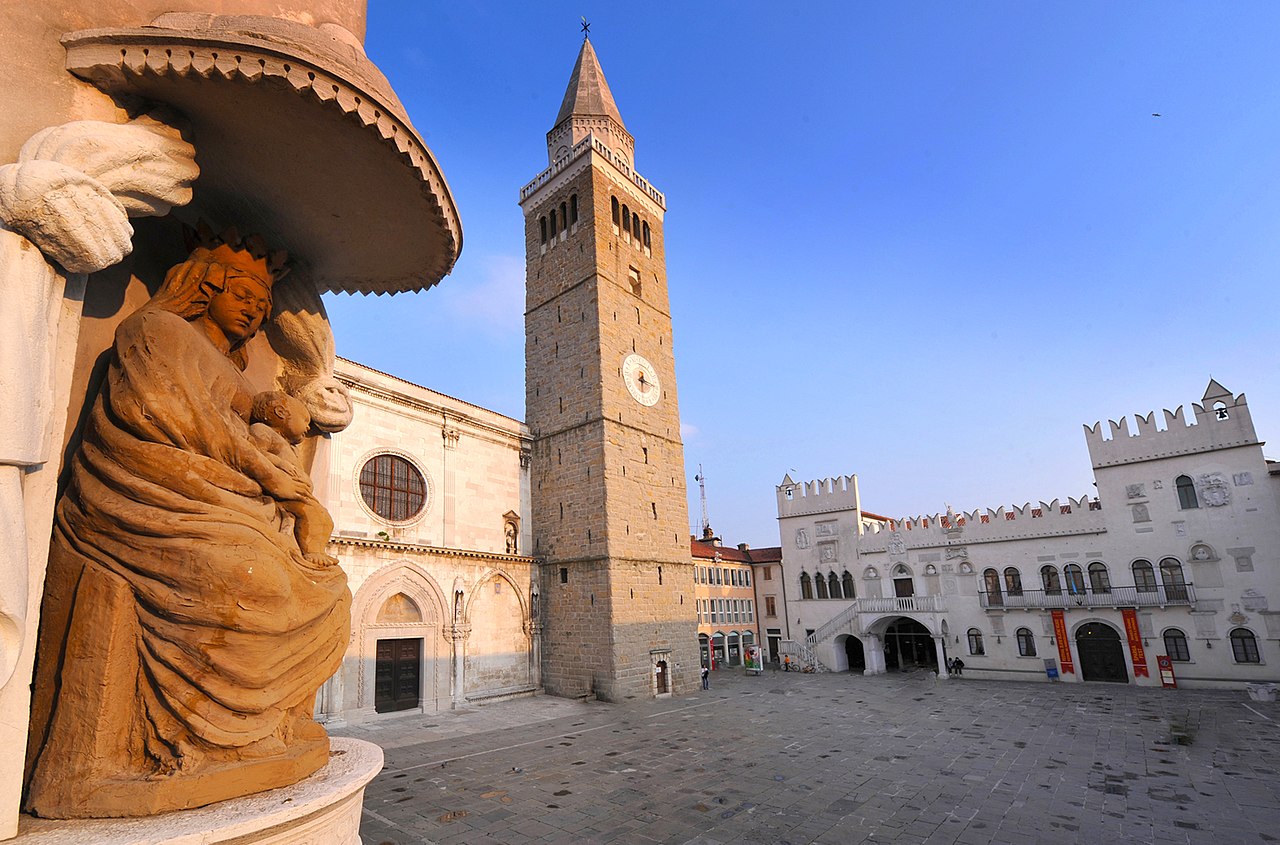
- Koper Cathedral (Cathedral of the Assumption) with its campanile
- Tito Square, the medieval core adapted to modern civic life
- the waterfront and commercial docks
The city hosts cultural events, markets and festivals, and is home to higher-education facilities that serve the Slovenian Littoral and attract students from the region.
Transport, tourism and notable facts
Koper combines port infrastructure with road and rail links that make it a logistics gateway between the Adriatic and inland Europe. Tourism gravitates toward the old town, local gastronomy and nearby coastal resorts. The presence of an Italian-speaking minority and bilingual signage reflects the area's historic ties to Italian culture, making Koper a distinctive blend of maritime economy, Central European traffic and Mediterranean heritage.
For more details about administration, demographics and services, consult regional resources and municipal publications.
Related articles
Author
AlegsaOnline.com Koper — Slovenian Adriatic port city (Capodistria) Leandro Alegsa
URL: https://en.alegsaonline.com/art/54246