
Kenner, Louisiana
Suburban city in Jefferson Parish near New Orleans. As of 2010 it had 66,702 residents. Notable for its regional airport, commercial corridors, suburban neighborhoods, and local history.
Overview
Kenner is a suburban city in the New Orleans metropolitan area and the most populous municipality in Jefferson Parish. It is described in regional contexts as a mid-sized city with residential neighborhoods, commercial strips and civic facilities. The 2010 U.S. census recorded 66,702 people living in Kenner. Kenner is often referenced for its role in regional transportation and as part of greater New Orleans' suburban ring.
Image gallery
6 Images



Geography and layout
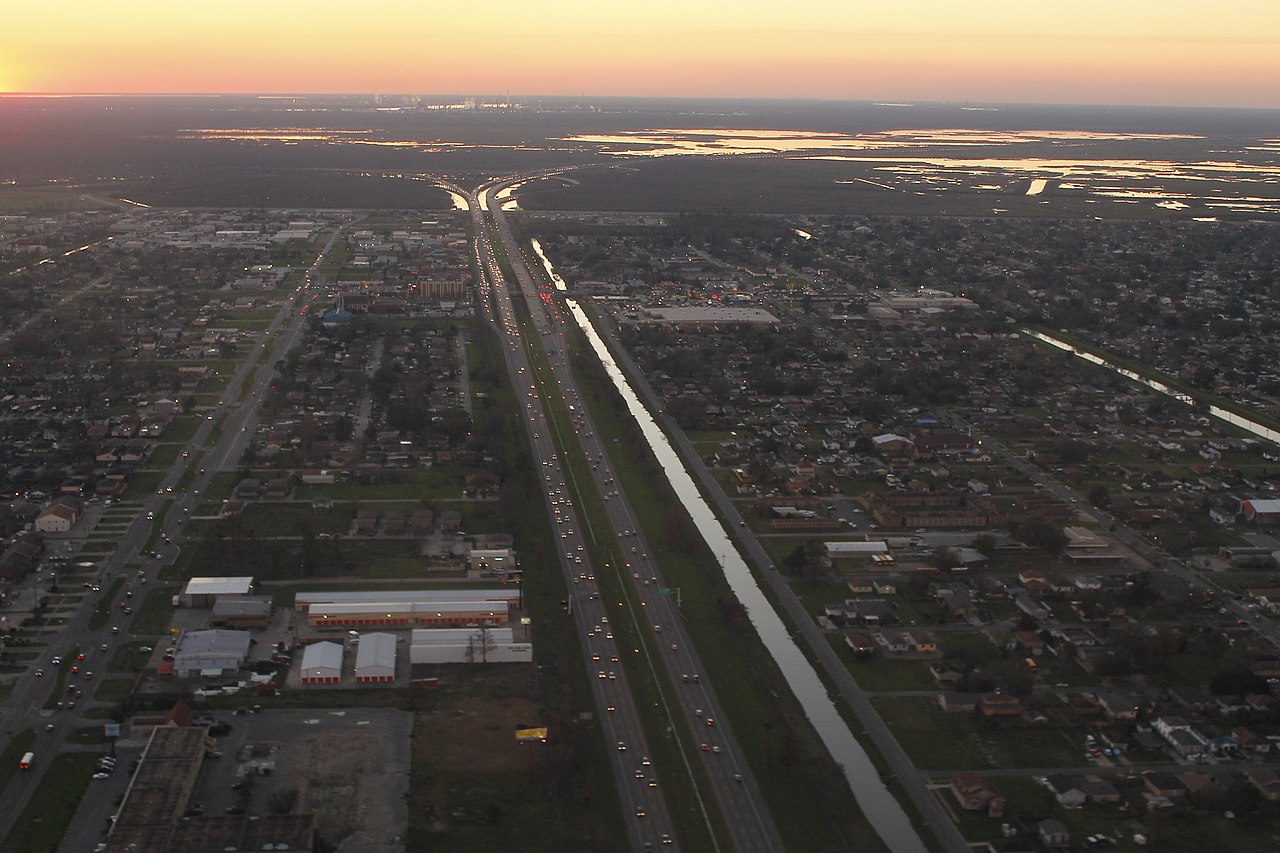
Kenner lies west of New Orleans and is closely connected to nearby parishes and communities by highways and local roads. Its landscape is typical of the Gulf Coast plain, with low elevation and a mix of built environments: single-family neighborhoods, shopping zones and light industrial areas. The city’s location makes it a gateway for travelers entering the New Orleans area by air.
History and development
Established in the 19th century, Kenner grew from agricultural roots into a suburban community as New Orleans expanded outward. Over time it developed commercial centers, public schools and municipal services to serve a growing population. Like many places in the Gulf Coast region, Kenner has experienced impacts from major storms and has undertaken rebuilding and resilience efforts in response.
Economy, transport and landmarks
A key feature of Kenner is the presence of Louis Armstrong New Orleans International Airport, which serves the broader metro area and is a major local employer. The city’s economy combines airport-related services, retail, healthcare, and small businesses. Visitors and residents use several civic and cultural sites clustered in downtown and waterfront districts.
Notable facts and distinctions
- Kenner is recognized as the sixth most populous city in Louisiana and the most populous city in Jefferson Parish.
- Its suburban character and proximity to New Orleans make it part of the region’s commuting and economic network.
- Public services, local parks and commercial corridors shape daily life for residents.
Today Kenner functions both as a residential community and as a transportation hub for the greater New Orleans area, balancing modern amenities with the historical patterns of settlement that shaped much of southeast Louisiana.
Related articles
Author
AlegsaOnline.com Kenner, Louisiana Leandro Alegsa
URL: https://en.alegsaonline.com/art/52890
Sources
- geonames.usgs.gov : "Kenner, Louisiana"
- www2.census.gov : "2016 U.S. Gazetteer Files"
- census.gov : "Population and Housing Unit Estimates"
- commons.wikimedia.org : Kenner, Louisiana