
Juba — capital city of South Sudan
Juba is the capital and largest city of the Republic of South Sudan, a riverside administrative, commercial and cultural center on the White Nile with rapid growth since independence.
Overview
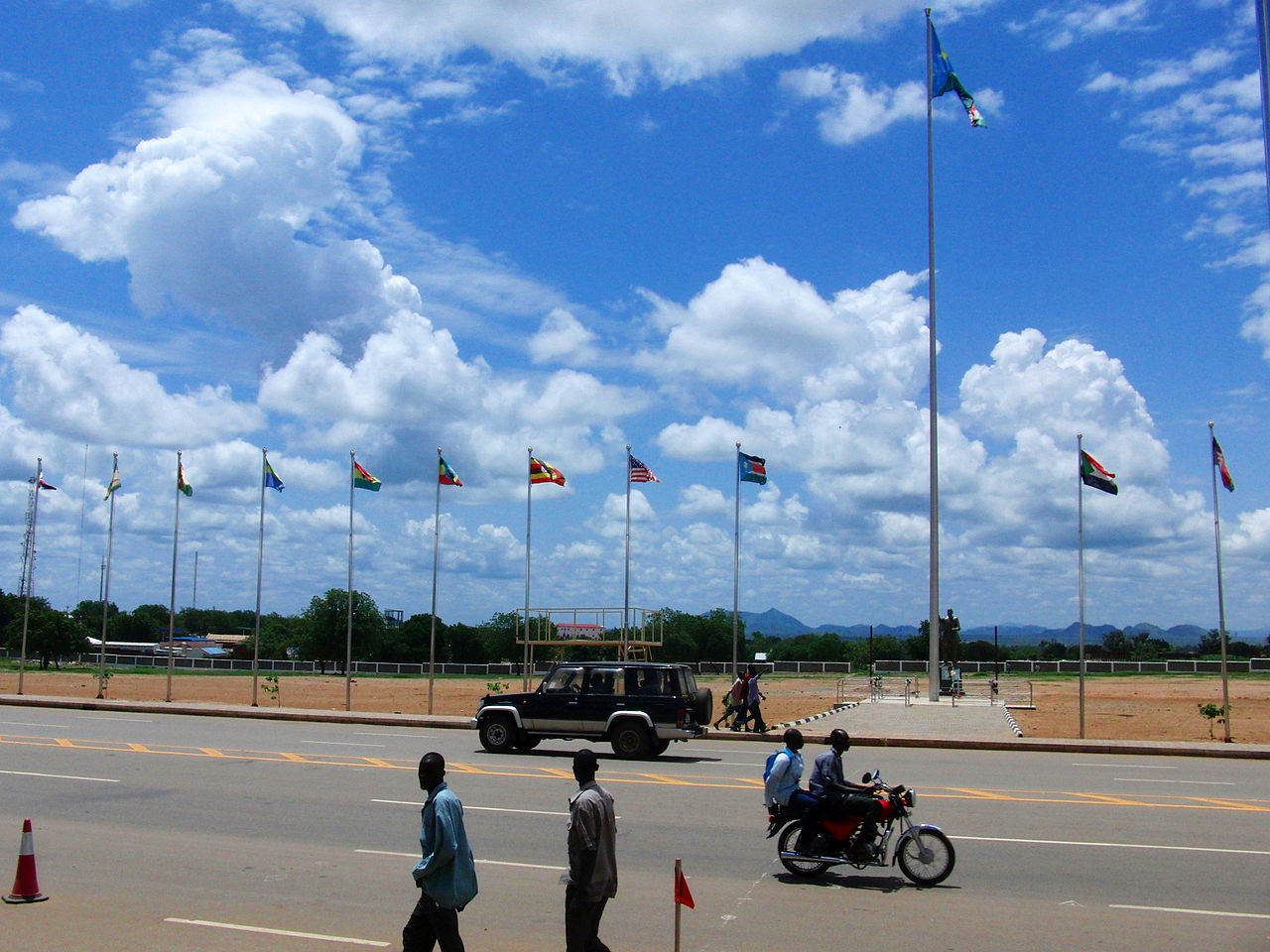
Juba is the national capital and largest urban centre of the Republic of South Sudan. It serves as the seat of the national government as well as the administrative centre for Central Equatoria state and Juba County. Positioned on the banks of the White Nile, the city functions as a focal point for politics, commerce and humanitarian activity in the young nation.
Image gallery
6 Images


Geography and climate
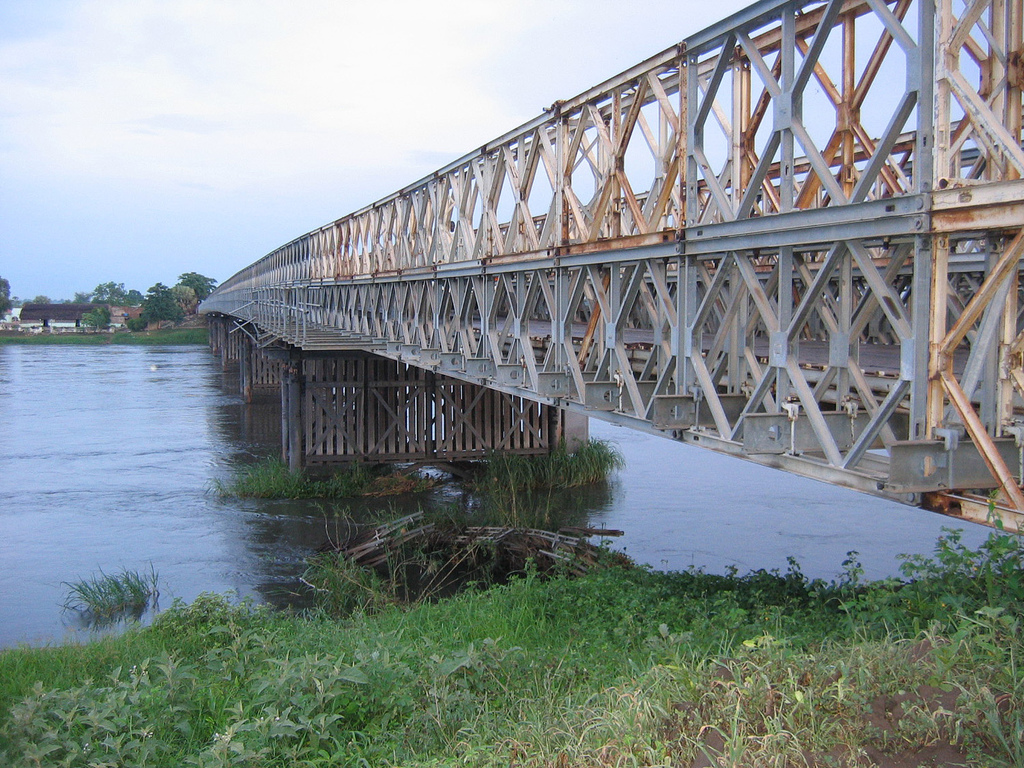
Located along the White Nile, Juba occupies flat riverine terrain that supports agriculture and river transport. The climate is tropical with a pronounced wet season and a drier season; temperatures are generally high year-round and rainfall mainly falls in a concentrated rainy period. The Nile and surrounding floodplains shape local livelihoods and transport routes.
History and development
Juba began as a riverside settlement and expanded under successive administrations into an administrative and trading centre. Its role increased over the twentieth century as regional infrastructure and administration were established. Following the 2011 independence of South Sudan, Juba was confirmed as the national capital and has experienced rapid urban growth and an expanding public sector since that time.
Economy and infrastructure
The city’s economy is based on public administration, services, trade and activities linked to oil production in the wider region. Key infrastructure elements include:
- Juba International Airport, which connects the capital with regional and international destinations;
- major markets and river landings on the White Nile that support commerce and food distribution;
- government buildings, international missions and aid organisation offices that drive employment and services.
Society, education and culture
Juba is ethnically and linguistically diverse, hosting residents from many South Sudanese communities and some international populations. English is the official language of government, while local languages and varieties of Arabic are widely used. The city contains educational institutions such as the University of Juba and cultural life centred on markets, music, religious institutions and community events.
Challenges and prospects
Juba faces challenges common to rapidly growing capitals in fragile contexts: pressure on housing and services, the need for better urban planning and infrastructure, and the impact of political instability and conflict on development. Continued investment in roads, utilities and public services, together with stabilization efforts and coordinated humanitarian and development programmes, shape the city’s prospects as the political and economic heart of South Sudan.
Related articles
Author
AlegsaOnline.com Juba — capital city of South Sudan Leandro Alegsa
URL: https://en.alegsaonline.com/art/51390