
José de Espronceda: Spanish Romantic Poet (1808–1842)
Overview of José de Espronceda, a leading Spanish Romantic poet: life, themes, major works such as "Canción del pirata" and "El estudiante de Salamanca," style and lasting influence.
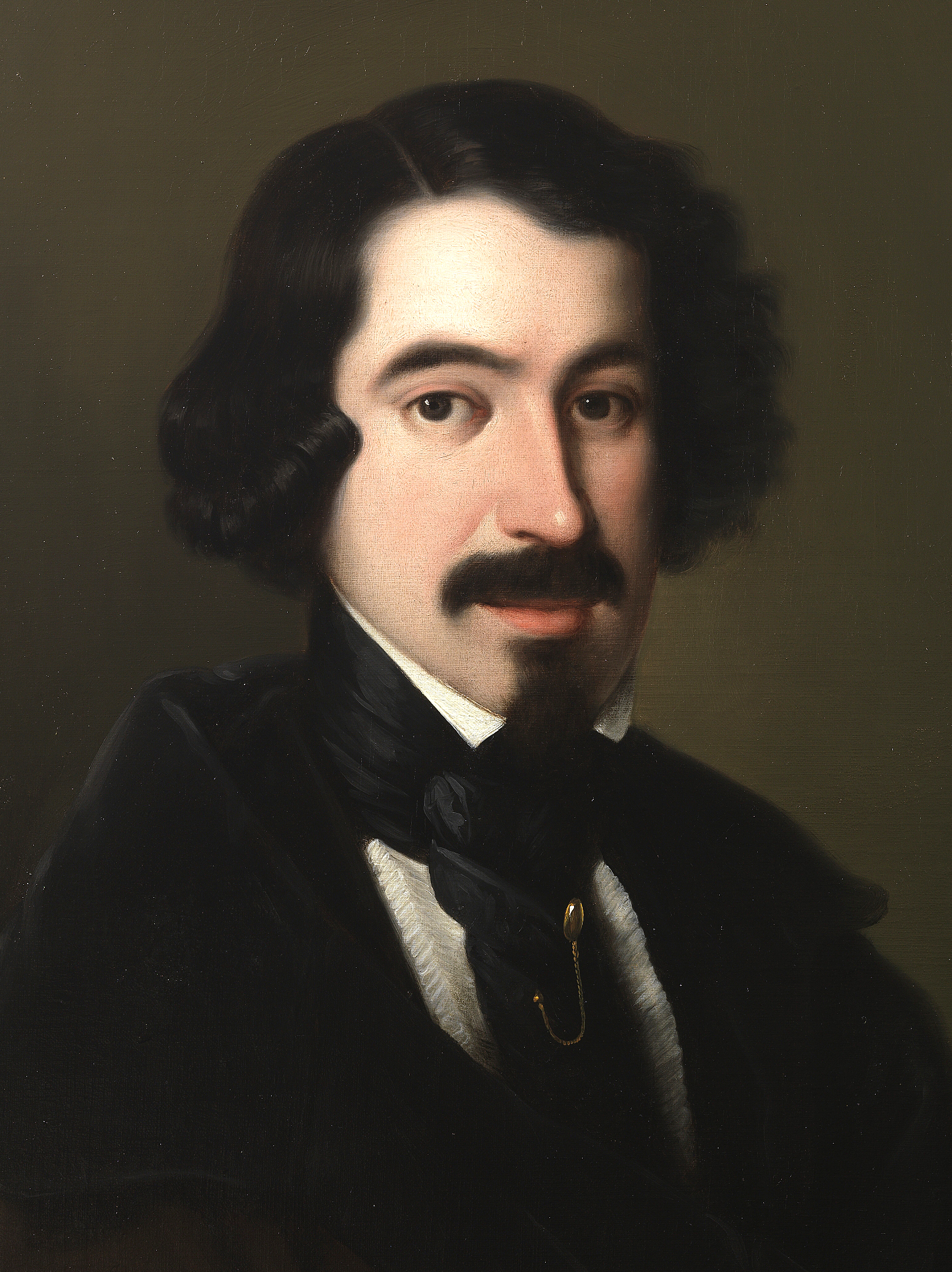
José de Espronceda (1808–1842) is widely regarded as one of the principal figures of Spanish Romanticism. Born in Almendralejo in Extremadura, he became known for passionate verse that celebrated individual freedom, revolt against authority, and intense personal feeling. His work helped shift nineteenth‑century Spanish poetry away from neoclassical restraint toward the imagination, emotion, and dramatic voice characteristic of the Romantic era.
Image gallery
3 Images

Style and themes
Espronceda's poetry is marked by vivid imagery, dramatic monologues, and a restless energy influenced by European Romantic writers, notably Lord Byron. Recurrent themes include liberty and rebellion, doomed or idealized love, death and the supernatural, and social critique. His tone often alternates between defiant irony and melancholic introspection, giving his poems a striking emotional range.
Major works
Several poems and longer narrative pieces remain central to his reputation. Among them:
- "Canción del pirata" — an energetic and widely anthologized poem that celebrates individual liberty through the figure of a pirate.
- "El estudiante de Salamanca" — a dramatic narrative poem combining romance, satire and supernatural elements; it is often noted for its theatrical structure and moody atmosphere.
- "A Jarifa en una orgía" — an exotic, sensuous lyric that exemplifies Romantic fascination with passion and transgression.
Life and political involvement
Beyond literature, Espronceda was associated with liberal and progressive circles during a turbulent period in Spanish history. His political sympathies and bohemian lifestyle informed much of his poetic voice; his commitment to individual rights and social change is reflected in works that fuse aesthetic rhetoric with political urgency.
Legacy and significance
Though he died young, at thirty‑four, Espronceda left a compact but influential body of work that shaped Spanish Romantic poetry and inspired later writers. His poems remain widely read and taught in Spain and are valued for their rhetorical power, melodic language, and spirited defense of freedom. For further reading and resources, see detailed biographies and critical studies.
Espronceda's combination of lyric intensity and social engagement makes him a defining voice of his generation and a frequent subject for studies of nineteenth‑century Spanish literature.
Related articles
Author
AlegsaOnline.com José de Espronceda: Spanish Romantic Poet (1808–1842) Leandro Alegsa
URL: https://en.alegsaonline.com/art/51133