
Jordi Pagans i Monsalvatje
Catalan painter (1932–2017) known for traditional figurative realism depicting the landscapes and seascapes of Cadaqués and Barcelona with attentive light, line and color.
Overview
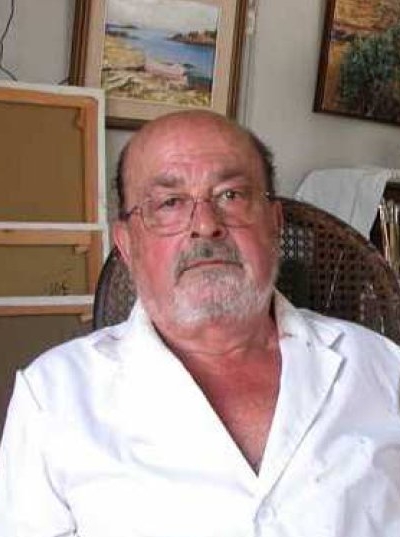
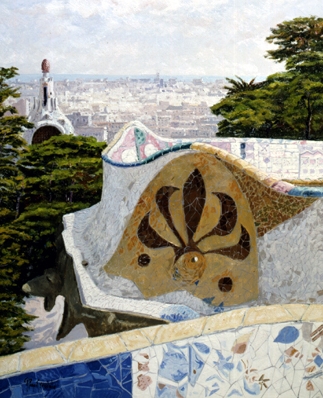
Jordi Pagans i Monsalvatje (18 April 1932 – 4 January 2017) was a Catalan painter celebrated for his faithful, traditional figurative work. Born and based in Barcelona, he made a lifelong study of Mediterranean landscapes, coastal towns and urban scenes. Working primarily in a realistic mode, Pagans produced paintings and drawings that emphasize structure, atmosphere and the particular qualities of light along the Catalan coast, especially in Cadaqués and in parts of Barcelona.
Image gallery
3 Images
Style and subjects
Pagans's art is marked by careful observation and a restrained palette that supports a clear sense of form. He favored representational depictions rather than abstraction, using line and tonal modulation to render buildings, seascapes and streets with clarity. His work includes oil paintings, watercolors and graphite or ink drawings; in all mediums he pursued a balance between precise draftsmanship and an evocative treatment of atmosphere and weather.
Career and development
Pagans began his artistic career in 1948 and remained productive for more than six decades before retiring in 2014. Over that span he developed a consistent thematic focus on everyday places: harbor views, village vistas, small plazas and coastal panoramas. While he worked within a traditional framework, his paintings reflect a dialogue with the long Mediterranean pictorial tradition and with the specific visual character of Catalonia's coastline. Cadaqués, the white-washed fishing village that has attracted many artists and writers, provided recurring motifs for his compositions.
Mediums, motifs and recurring elements
- Mediums: oils, watercolors, drawings (pencil, ink)
- Motifs: sea and harbor scenes, townscapes, light on architecture
- Approach: representational realism with attention to atmosphere
Importance and reception
Although not an avant-garde figure, Pagans occupied a respected place among Catalan painters who continued classical and realist traditions in the postwar period. His work appealed to collectors and viewers who valued technical skill and the quiet, observational depiction of place. Paintings of Cadaqués in particular connect his output to a regional lineage of artists drawn to the Mediterranean coast.
Life events and legacy
Pagans lived and worked in Barcelona for most of his life and is remembered for a steady, disciplined practice that emphasized place and perception. He formally retired from painting in 2014. He died in Barcelona on 4 January 2017 of congestive heart failure at the age of 84. For more information on his life and work see a dedicated biography or catalogue entry at this resource.
Related articles
Author
AlegsaOnline.com Jordi Pagans i Monsalvatje Leandro Alegsa
URL: https://en.alegsaonline.com/art/51082
Sources
- enmemoria.lavanguardia.com : "In Memory: Jordi Pagans i Monsalvatje"