
Jēkabpils: Latvian town on the Daugava River
Jēkabpils is a town in southeastern Latvia on the Daugava River. Granted town rights in 1670, it grew around a river crossing and neighboring medieval Krustpils, and today is a regional administrative and cultural center.
Overview
Jēkabpils is a town in southeastern Latvia situated on the banks of the Daugava River. It functions as a local administrative and service center and has historically occupied an important position where land routes and river traffic meet. The modern town combines older settlements on opposite banks and reflects layers of medieval, early modern and more recent urban development.
Image gallery
10 Images


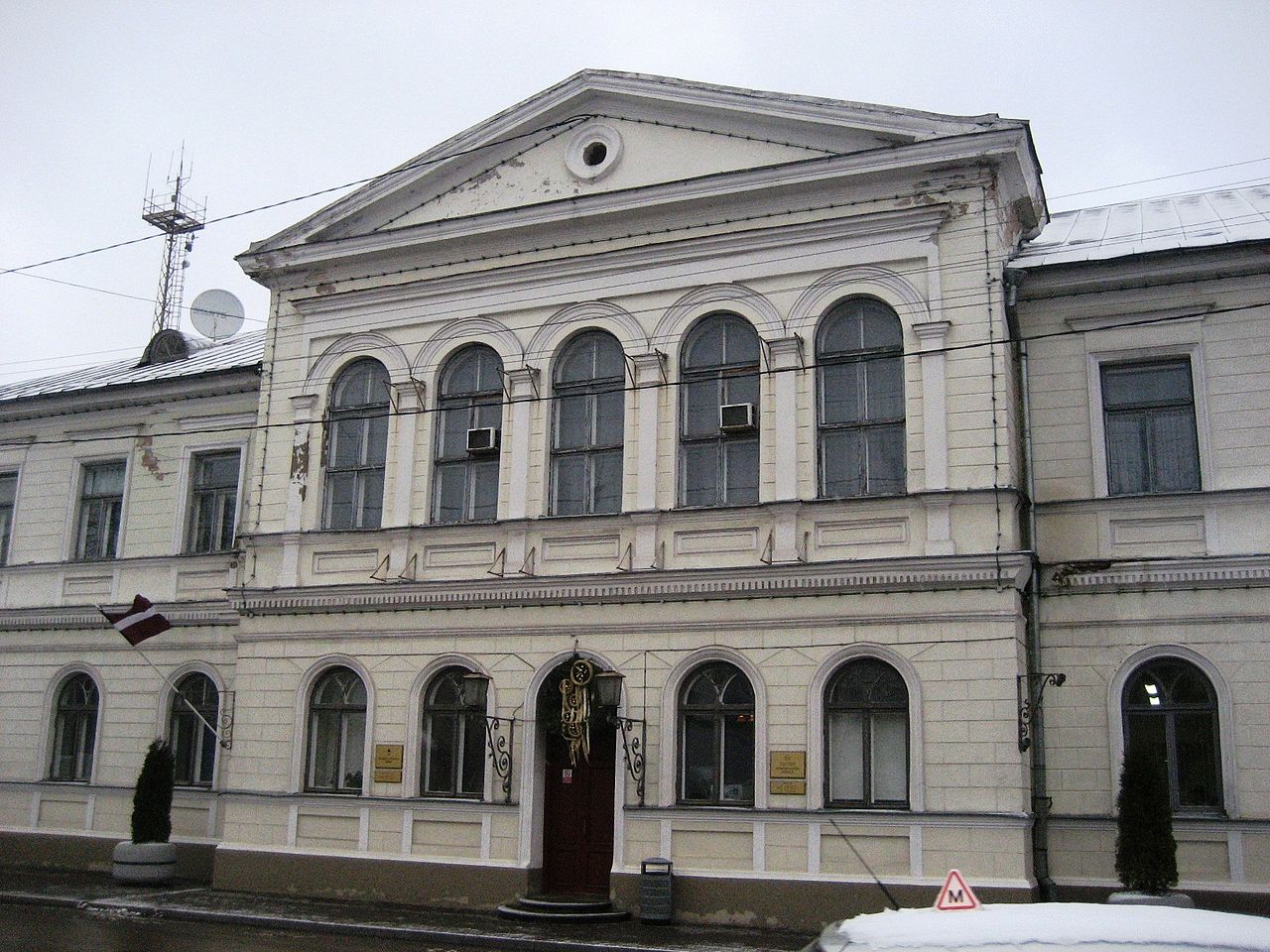


Historical development
The name Jēkabpils translates roughly as "Jacob's town" and the settlement received formal town rights in 1670. Across the river lies Krustpils, a settlement with a medieval castle and earlier origins; over time the two communities became closely linked by commerce, transport and governance. Control and influence in the area shifted through centuries as regional powers and trade networks evolved.
Characteristics and landmarks
The town is known for a mixture of architectural layers: remnants of older brick and stone buildings, wooden urban housing, and later 19th–20th century structures. Notable local points of interest include Krustpils Castle on the riverbank, riverside promenades and municipal parks. Cultural venues such as local museums and community centers preserve regional history and traditions.
Economy, transport and culture
Jēkabpils developed as a river crossing and commercial node; its economy has included trade, light industry and services that support the surrounding rural area. The town is connected by road and rail routes that follow traditional east–west corridors, and river traffic on the Daugava has been important historically. Annual cultural events, markets and regional festivals contribute to local identity.
Notable facts and distinctions
- The town received municipal rights in 1670, marking its formal status as an urban center.
- Krustpils Castle and the adjacent older settlement form an integral part of the town’s historical landscape.
- Its riverside location has long shaped trade, transport and settlement patterns.
Today Jēkabpils serves as a regional hub where historical sites, civic institutions and transport links meet, offering insight into Latvia's layered past and its continuing local cultural life.
Related articles
Author
AlegsaOnline.com Jēkabpils: Latvian town on the Daugava River Leandro Alegsa
URL: https://en.alegsaonline.com/art/49874
Sources
- pmlp.gov.lv : "Latvijas iedzīvotāju skaits pašvaldībās 01.01.204. (PDF)"