
Jean-Jacques Rousseau
18th-century Genevan philosopher, writer, and composer whose ideas on education, society and government shaped modern political thought and influenced the Enlightenment and Romanticism.
Overview
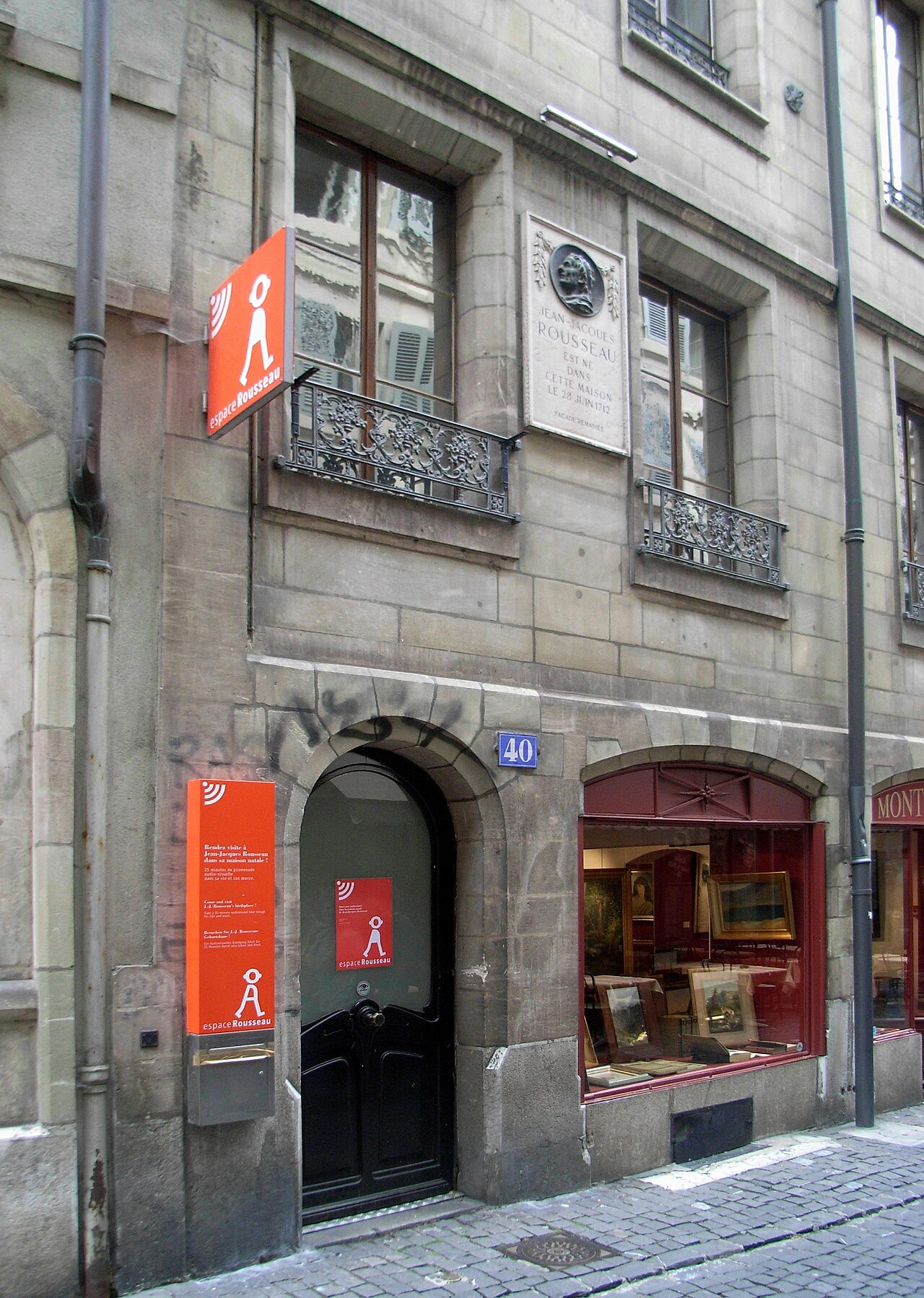
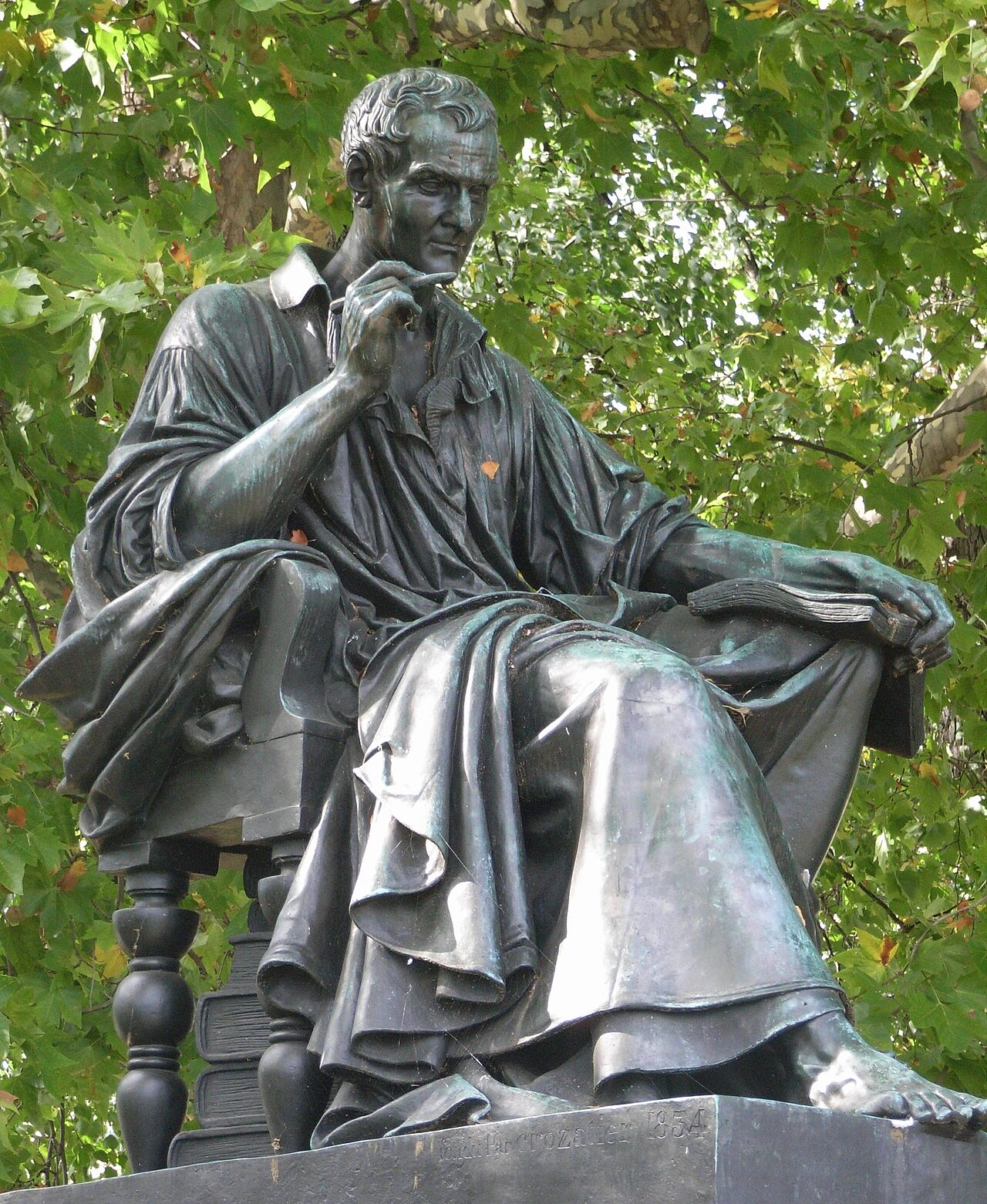
Jean-Jacques Rousseau (28 June 1712 – 2 July 1778) was a prominent French-speaking philosopher, writer and musician. Born and raised in Geneva, Switzerland, he always identified as Genevan. Rousseau became one of the most influential figures of the eighteenth century through works that addressed human nature, political legitimacy and education.
Image gallery
10 Images



Main ideas and characteristics
Rousseau argued that people are essentially good by nature but can be corrupted by society and its institutions. He developed a distinct version of social-contract theory centered on the concept of the "general will," a collective expression of the common good. In education he emphasized experience, moral development and the importance of fostering autonomy rather than rote learning. His thinking frequently contrasted nature and civilization and stressed emotion and authenticity as corrective forces to rationalism.
Major works
- Discourse on the Arts and Sciences (first major essay examining morals and culture)
- Discourse on Inequality (1755) — an account of natural vs. social inequality
- The Social Contract (1762) — theory of political legitimacy and the general will
- Emile, or On Education (1762) — a treatise on childhood development and pedagogy
- Confessions (published posthumously) — an early modern autobiography
Life and career
Rousseau's early life included apprenticeship and travel before he established himself in Parisian intellectual circles. He associated with salon culture but often clashed with other Enlightenment figures. Some of his works provoked censorship and exile; at various times he lived in France, Switzerland and parts of what is now Italy. His later years were marked by solitude, declining health and continuing controversy over his ideas and personal conduct.
Influence and legacy
Rousseau's writings deeply influenced republican and democratic thought, modern pedagogy, Romantic literature and debates about individual freedom and civic duty. Political leaders, educators and literary figures drew on his work to argue for expanded citizenship, popular sovereignty and child-centered education. His notion of the general will remains a central reference in discussions of collective decision-making and the limits of majoritarianism.
Criticism and notable facts
Contemporaries and later critics contested Rousseau's prescriptions as ambiguous or dangerous; some accused him of promoting authoritarian tendencies under the guise of the general will, while others focused on perceived inconsistencies between his political theories and private life. He was also a composer and wrote on music, reflecting the breadth of his interests beyond strictly philosophical questions.
Rousseau's thought resists simple classification: he is celebrated for advancing ideas of human dignity, education and civic responsibility, and debated for the political and ethical implications of those same ideas.
Questions and answers
Q: Who was Jean-Jacques Rousseau?
A: Jean-Jacques Rousseau was a famous French-speaking philosopher who was born in Geneva, Switzerland.
Q: Where was Jean-Jacques Rousseau born?
A: Jean-Jacques Rousseau was born in Geneva, Switzerland.
Q: What did Jean-Jacques Rousseau describe himself as being?
A: Jean-Jacques Rousseau always described himself as being Genevan.
Q: What was Jean-Jacques Rousseau's occupation?
A: Jean-Jacques Rousseau was a philosopher.
Q: In what language did Jean-Jacques Rousseau usually communicate?
A: Jean-Jacques Rousseau usually communicated in French.
Q: When was Jean-Jacques Rousseau born?
A: Jean-Jacques Rousseau was born on June 28, 1712.
Q: When did Jean-Jacques Rousseau die?
A: Jean-Jacques Rousseau died on July 2, 1778.
Related articles
Author
AlegsaOnline.com Jean-Jacques Rousseau Leandro Alegsa
URL: https://en.alegsaonline.com/art/49729