
Jaunjelgava
Jaunjelgava is a historic Latvian town on the Daugava River, granted town rights in 1647. It has a riverside setting, layered history as a trading port, and surviving cultural and architectural landmarks.

Jaunjelgava is a small town in central Latvia with a long connection to the Daugava River. It was granted town rights in 1647 and developed as a river port and local market centre. The town's scale and character reflect its role as a regional service hub rather than a large urban centre.
Image gallery
7 Images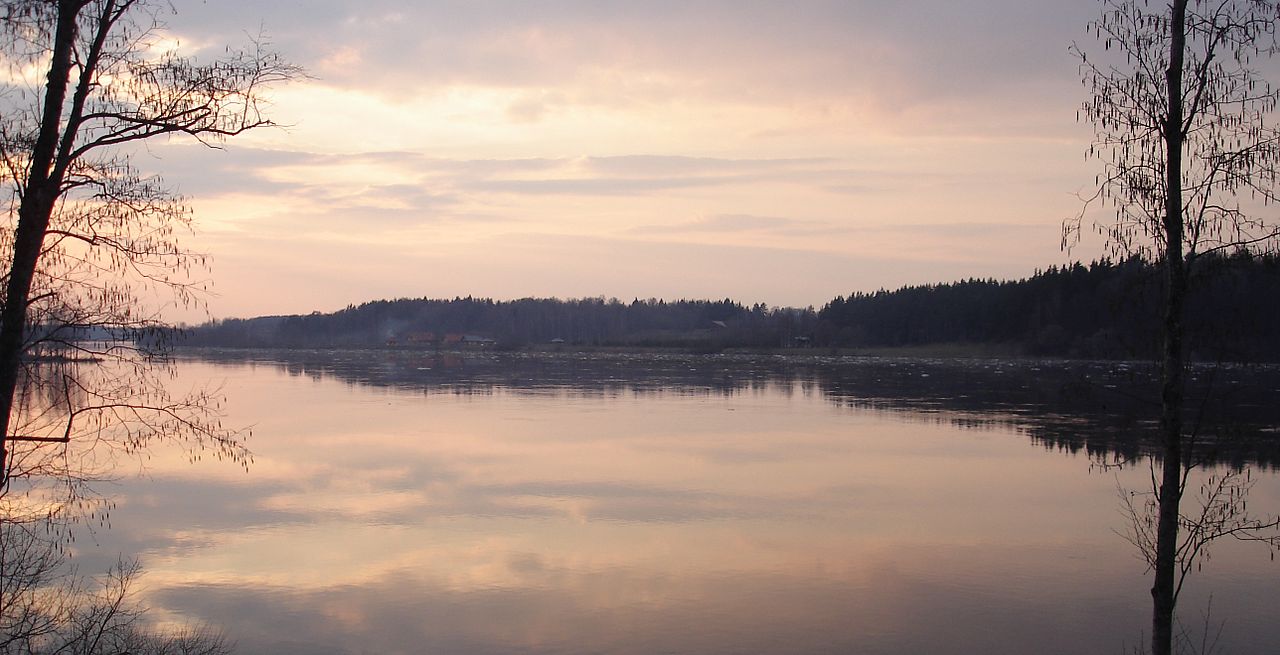


Geography and urban layout
Situated on the banks of the Daugava, Jaunjelgava's streets and older neighbourhoods are oriented toward the riverfront. Rivers and floodplains have shaped land use, transport routes and local economy; historically the waterway provided the main link to larger markets. The town is accessible by regional roads and serves surrounding rural communities.
History and development
Jaunjelgava's origins as a chartered town date to the mid-17th century. Over subsequent centuries it functioned as a commercial node where agricultural products, timber and other goods were loaded for river transport. As with many towns in the region, Jaunjelgava experienced cycles of growth and hardship related to war, shifting political borders and economic change.
Architecture and cultural landmarks
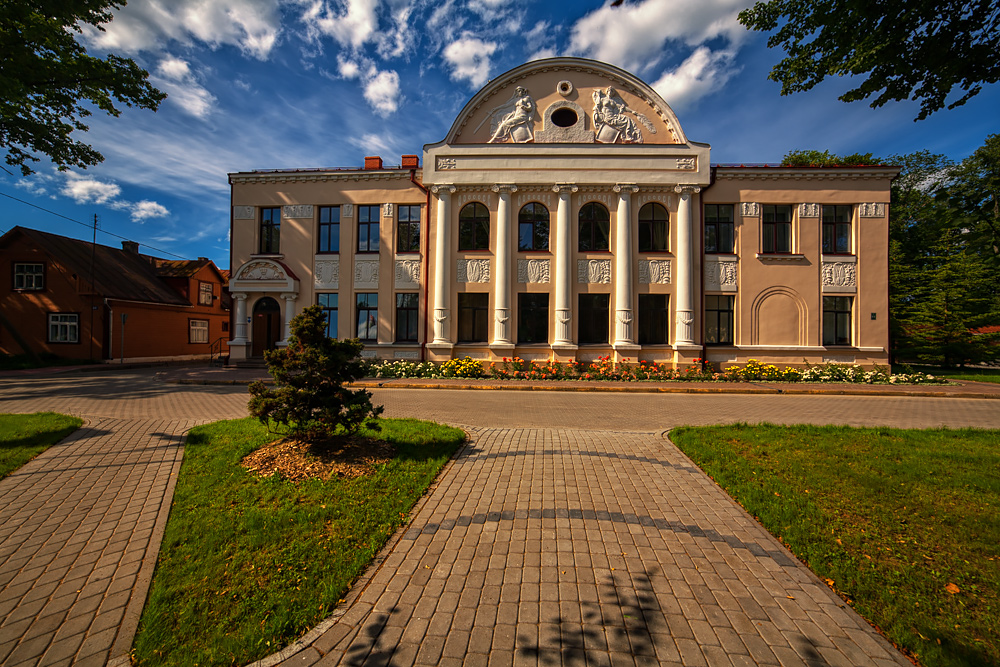
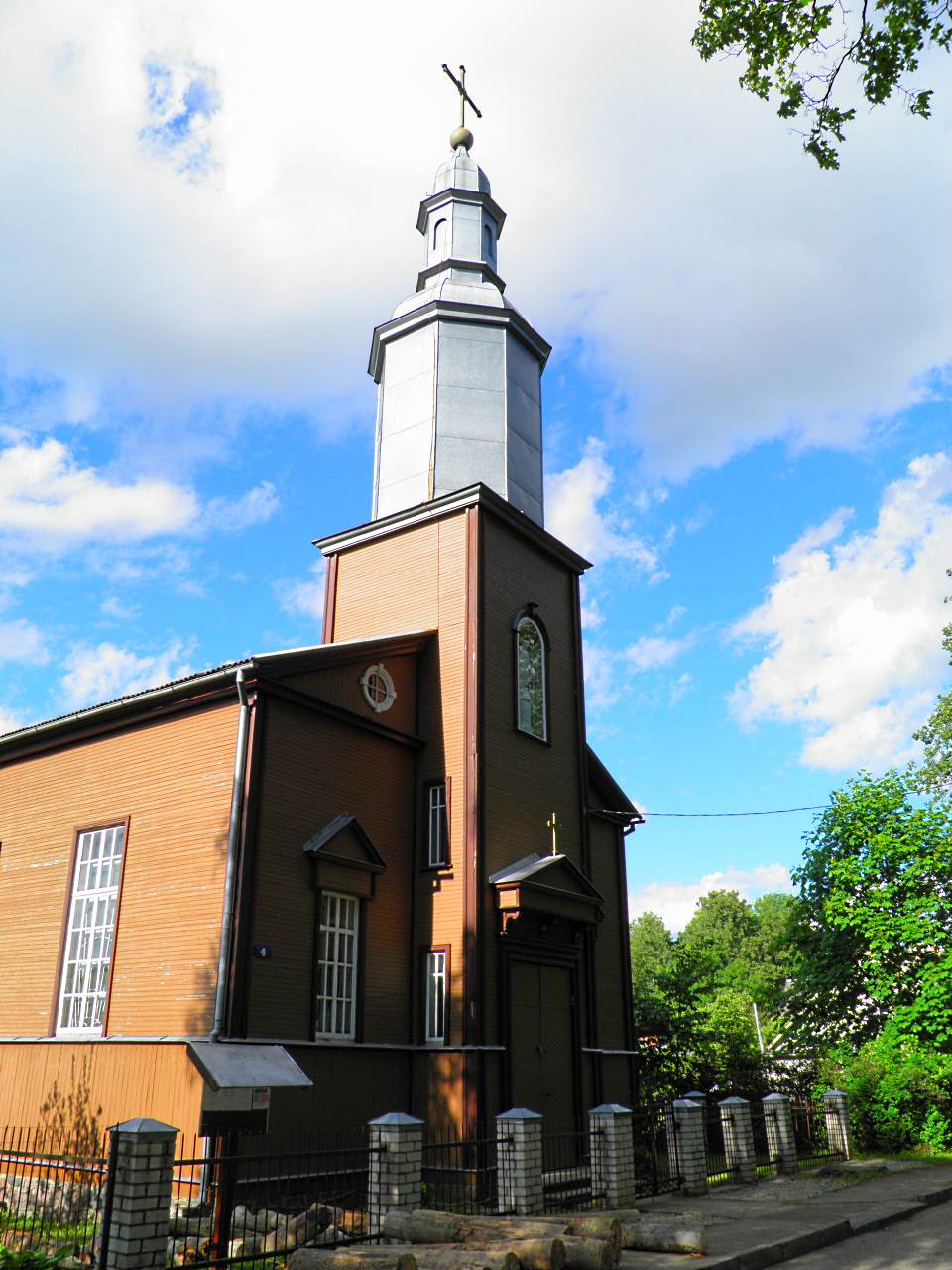
The built environment combines wooden houses, 19th‑century municipal buildings and religious structures that testify to the town's multi confessional past. Visitors can find parish churches, civic monuments and modest examples of historic residential architecture. Local cultural life includes community events, heritage initiatives and small museums or exhibits that interpret the town's riverine past.
Economy and contemporary life
Today Jaunjelgava's economy is based on a mix of services, light industry, agriculture in the surrounding area and commuting to larger towns. Small businesses, craft workshops and seasonal markets contribute to local livelihoods. Preservation of historic fabric and promotion of cultural tourism are part of recent strategies to support the town's future.
Notable facts and further information
- Town rights were granted in 1647, marking its formal recognition as an urban settlement.
- The Daugava River has been central to the town's identity and historical economy.
- For broader regional context see information about the area.
Jaunjelgava remains a place where riverside setting, layered history and local traditions combine. It offers a compact example of a Latvian river town with tangible links to regional trade, community life and built heritage.
Related articles
Author
AlegsaOnline.com Jaunjelgava Leandro Alegsa
URL: https://en.alegsaonline.com/art/49630