
Jaroslav Seifert
Czech poet, writer and journalist (1901–1986), Nobel Prize laureate whose lyrical work and public presence shaped 20th‑century Czech literature.

Jaroslav Seifert (23 September 1901 – 10 January 1986) was a Czech poet, writer and journalist whose work became a central voice in Czechoslovak literature of the 20th century. He received the Nobel Prize in Literature in 1984 and is widely remembered for his musical language, civic engagement and poems that often evoke Prague and daily life.
Image gallery
3 Images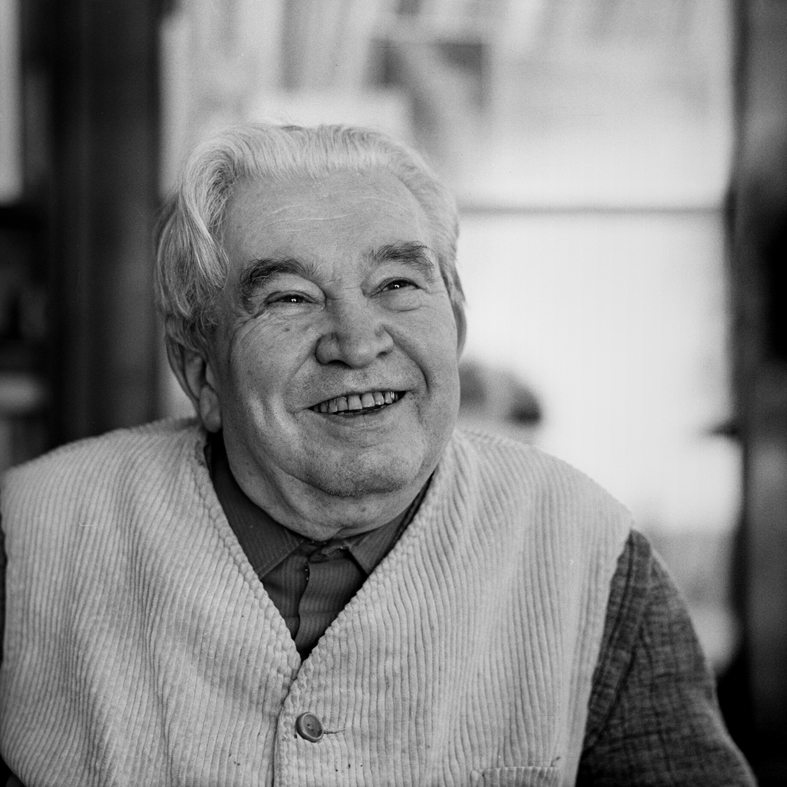


Life and career
Seifert began publishing in the interwar years and was active in the literary life of Prague. He associated with avant‑garde circles and worked as a journalist and editor, roles that kept him engaged with public affairs throughout his life. His career spanned several political eras in Central Europe, and his reputation as a major Czech poet grew steadily over decades.
Style and themes
Seifert's poetry is known for clear, lyrical lines, rich imagery and an intimacy that links private feeling with public concern. Frequent themes include love, memory, the cityscape of Prague, human dignity and the persistence of everyday beauty. Over time his voice moved between experimental forms and a plainspoken lyricism that emphasized music and rhythm.
Recognition and influence
In 1984 Seifert was awarded the Nobel Prize in Literature, a recognition that brought international attention to Czech poetry. His work has been translated into many languages and continues to be read for its formal craft, emotional directness and historical resonance. He remains an important reference for readers and writers interested in Central European literature.
Notable facts
- Balancing roles as poet and journalist, he influenced both literary and public discourse.
- His poems frequently celebrate Prague as a living cultural landscape.
- For further context and translations see additional resources.
Seifert's legacy is that of a poet who combined formal skill with moral attention to his times, offering work valued for its linguistic precision and humane perspective.
Related articles
Author
AlegsaOnline.com Jaroslav Seifert Leandro Alegsa
URL: https://en.alegsaonline.com/art/49570
Sources
- nobelprize.org : The Nobel Prize in Literature 1984