
Indie game
An independent video game developed without traditional publisher funding; noted for small teams, creative risk-taking, diverse distribution channels, and cultural influence on the games industry.
An indie game is a video game created primarily without financial backing from a traditional publisher. Independent developers—ranging from solo creators to small teams—often shoulder design, programming, art and marketing themselves. This independence tends to encourage experimental ideas, distinct visual styles, and niche subject matter that larger studios may avoid.
Image gallery
10 Images






Characteristics
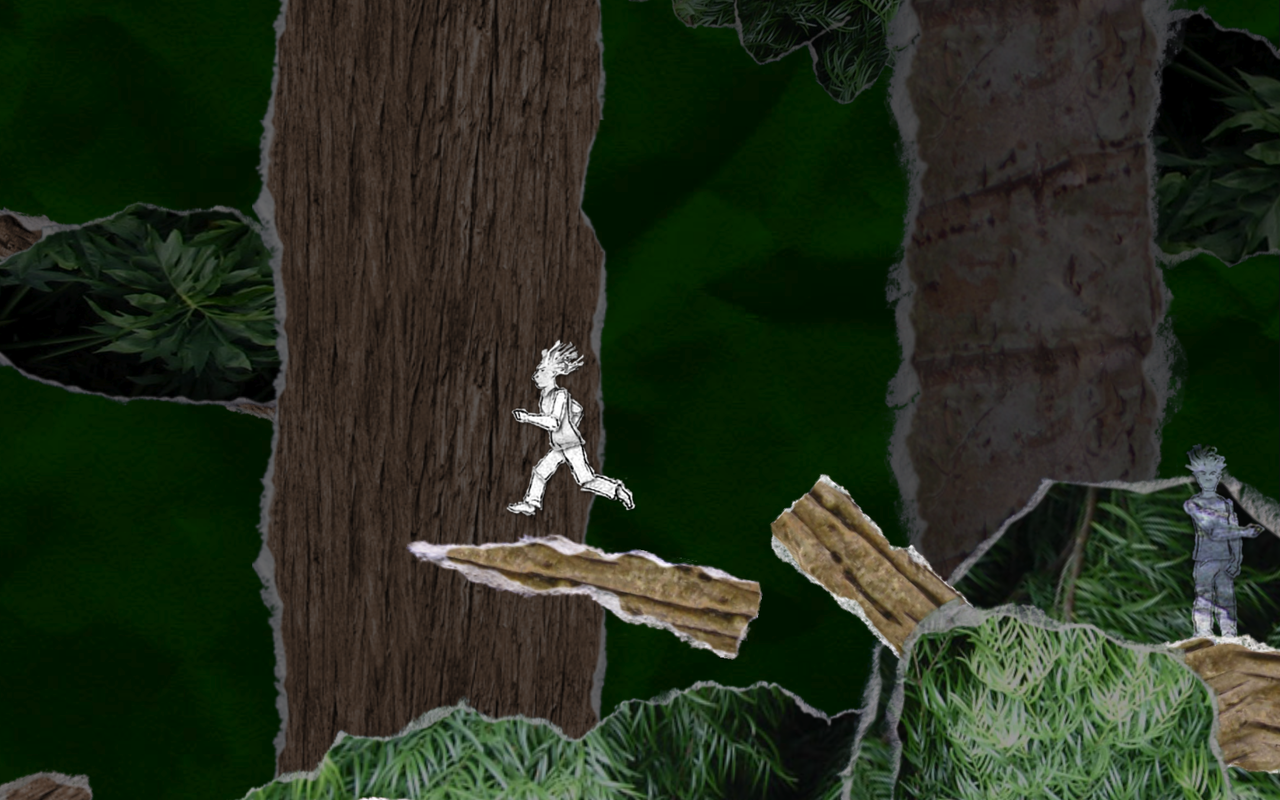
Common traits of indie games include limited budgets, compact teams, and a focus on novel mechanics or storytelling. Many indies emphasize artistic expression over high-end graphics, and they frequently iterate quickly during development using accessible tools and middleware.
- Creative freedom: fewer commercial constraints mean room for innovation.
- Agile development: rapid prototyping and close community feedback.
- Diverse business models: one-time purchase, free-to-play, donations, or crowdfunding.
History and development
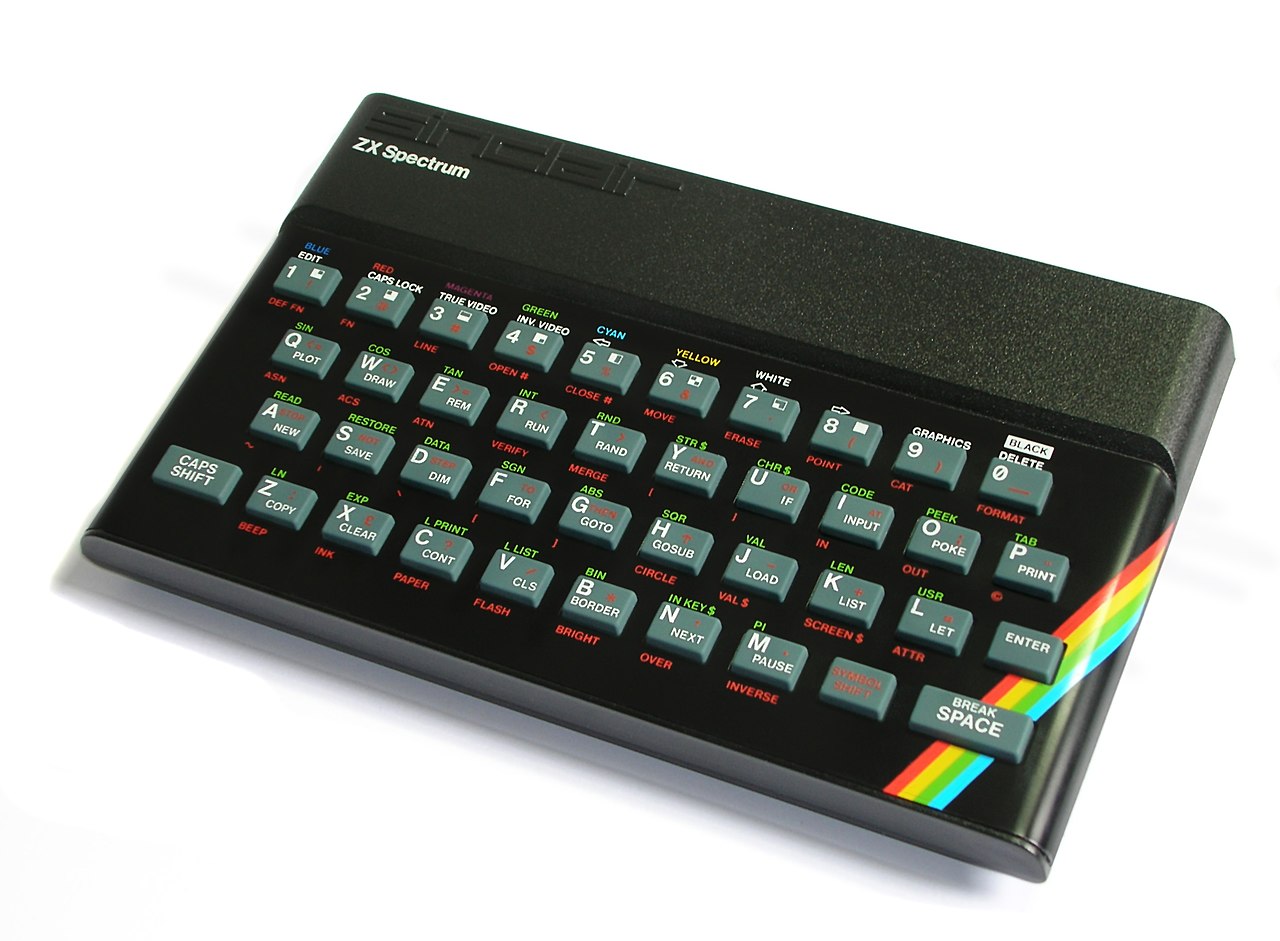
Independent game-making evolved from hobbyist and homebrew scenes into a visible industry as digital distribution, app stores and downloadable marketplaces made publishing feasible without physical retail. The rise of affordable engines and online communities further lowered technical and financial barriers, enabling creators to reach global audiences directly.
Examples and impact
Some indie titles have achieved wide commercial success and cultural significance, demonstrating how small teams can shape the broader medium. Notable examples often cited include narrative-driven, retro-inspired, or sandbox games; one of the best-known breakout hits began as an independent project and grew into a major franchise: Minecraft. Other acclaimed indies have influenced design trends, expanded the kinds of stories games tell, and provided talent pipelines into larger studios.
Challenges and distinctions
Indie developers face obstacles such as discoverability in crowded marketplaces, limited marketing budgets, and financial risk during long development cycles. The label "indie" can also be ambiguous: some studios retain creative independence despite external funding, while others describe commercially supported projects as indie for branding. Understanding an indie game's production context helps clarify its priorities and constraints.
Related articles
Author
AlegsaOnline.com Indie game Leandro Alegsa
URL: https://en.alegsaonline.com/art/47163
Sources
- kotaku.com : "Why Minecraft Is So Damn Popular"
- indiegamemag.com : "What is an indie game?"
- gamasutra.com : "The state of indie Gaming"
- gametunnel.com : "Indie Innovation?"
- mcvuk.com : "Indie game studios 'will always be more creative'"
- forbes.com : "Indie Game Developers Rise Up"