
Impersonator
Overview of impersonators: who they are, common techniques, historical and modern uses, legal and ethical concerns, and distinctions between entertainment and criminal impersonation.
Overview
An impersonator is a person who deliberately imitates another individual's voice, appearance, behavior, or identity. Impersonation ranges from benign performance—such as stage impersonators and impressionists—to malicious acts like identity theft, social engineering, or fraud. The intent behind the imitation is a key factor: entertainment and commentary differ sharply from deception for gain.
Image gallery
7 Images





Techniques and characteristics
Successful impersonation relies on a combination of skills and tools. Common elements include:
- Vocal mimicry — reproducing tone, accent, pitch, and speech patterns.
- Physical mannerisms — copying gestures, posture, facial expressions, and walk.
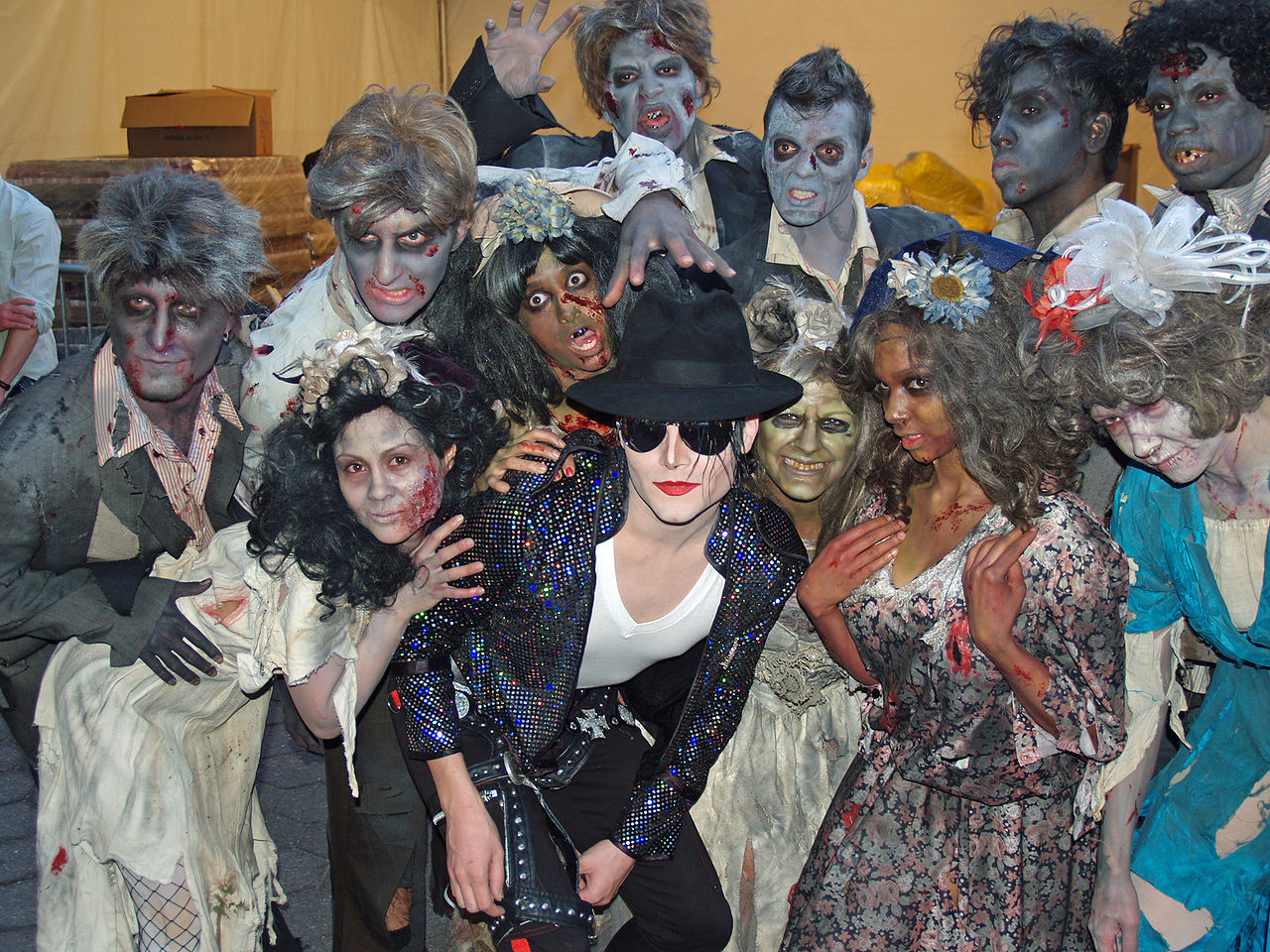
- Costume and makeup — using clothing, wigs, prosthetics, or stage makeup to resemble the target.
- Digital methods — deepfakes, voice synthesis, and photo manipulation that can create convincing digital likenesses.
History and cultural role
Impersonation has long roots in theatrical traditions and popular culture. From classical drama and carnival mimicry to modern impressionists who mimic celebrities on television and in live performances, imitation has been used for humor, tribute, political satire, and social commentary.
Uses and examples
Common uses include stage and television comedy, tribute acts (for example performers who recreate well-known musicians), training exercises (role-playing for law enforcement or customer service), and security testing (penetration tests using social engineering). Conversely, impersonation can be weaponized in scams, phishing, and online account takeovers.
Legal and ethical considerations
Whether impersonation is lawful depends on context and jurisdiction. Parody and satire are often protected forms of expression, while impersonating someone to commit fraud, invade privacy, or mislead authorities is typically illegal. Emerging technologies like deepfakes have raised new concerns about consent, reputation harm, and the need for technical and legal defenses.
Distinctions and notable facts
"Impersonator" differs from "impostor" in nuance: an impostor usually assumes a false identity to deceive, while an impersonator may be performing or illustrating another person without intent to defraud. Modern verification methods—multi-factor authentication, biometric checks, and digital provenance—help mitigate technological impersonation, but human judgment and legal frameworks remain crucial.
Author
AlegsaOnline.com Impersonator Leandro Alegsa
URL: https://en.alegsaonline.com/art/46897