
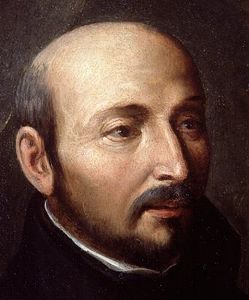
Ignatius of Loyola
Spanish priest and founder of the Society of Jesus (Jesuits), author of the Spiritual Exercises, influential in Catholic reform, education, and global missions in the 16th century.
Overview
Ignatius of Loyola (c.1491–1556) was a Spanish nobleman, soldier, and Catholic priest who founded the Society of Jesus (the Jesuits). After a profound spiritual conversion he became a teacher, organizer and spiritual writer whose methods shaped Catholic pastoral practice, education, and missionary activity across the globe during the era of Catholic reform.
Image gallery
10 Images





Early life and conversion
Born in the Basque region into a minor noble family, Ignatius served as a soldier in his youth. A serious battlefield wound led to a long convalescence during which readings about the life of Christ and the saints provoked a radical change of direction. He undertook pilgrimages, a period of penitential practice, and gradually committed to a life of study, prayer and service.
Study, companions, and foundation of the order
Ignatius studied at the University of Paris, where he formed a small group of friends who shared his aims in education, ministry and missionary outreach; notable companions included Francis Xavier and Peter Faber. In 1540 the group received papal approval and became the Society of Jesus. The new order emphasized disciplined formation, mobility, active ministry rather than monastic enclosure, and a special readiness to serve the needs of the Church.
Spiritual Exercises and approach to spirituality
Ignatius wrote the Spiritual Exercises, a program of meditations, contemplative practices and guidances intended to deepen one’s relationship with God and assist in moral and vocational discernment. The Exercises stress the examen (regular self-reflection), discernment of spirits, a Christ-centered sequence of meditations, and a practical, adaptable format for retreats and ongoing formation.
Legacy
The Jesuits became influential in education, founding colleges and universities that combined rigorous scholarship with pastoral formation. Their missionary efforts extended Catholic presence in Asia, Africa and the Americas. Ignatius was canonized and his spirituality continues to inform contemporary practices of prayer, leadership and social engagement; modern introductions to the Jesuit tradition and editions of the Spiritual Exercises provide accessible entry points to his thought, for example see the Jesuit tradition.
Notable facts
- His military background gave his spirituality a disciplined and practical character.
- The Society of Jesus traditionally includes a structured formation process for members.
- The Spiritual Exercises remain widely used in spiritual direction and retreat settings.
Related articles
Author
AlegsaOnline.com Ignatius of Loyola Leandro Alegsa
URL: https://en.alegsaonline.com/art/46606