
Hurricane Audrey
Hurricane Audrey was a devastating June 1957 Atlantic hurricane that struck the U.S. Gulf Coast, producing extreme storm surge and causing hundreds of deaths and widespread damage in Louisiana and Texas.
Overview
Hurricane Audrey was a powerful and deadly tropical cyclone that struck the northern Gulf Coast of the United States in late June 1957. It is remembered for its rapid intensification before landfall, an unusually large and destructive storm surge, and a high death toll. Official records list Audrey as the most intense Atlantic hurricane observed in the month of June since formal record keeping began.
Image gallery
10 Images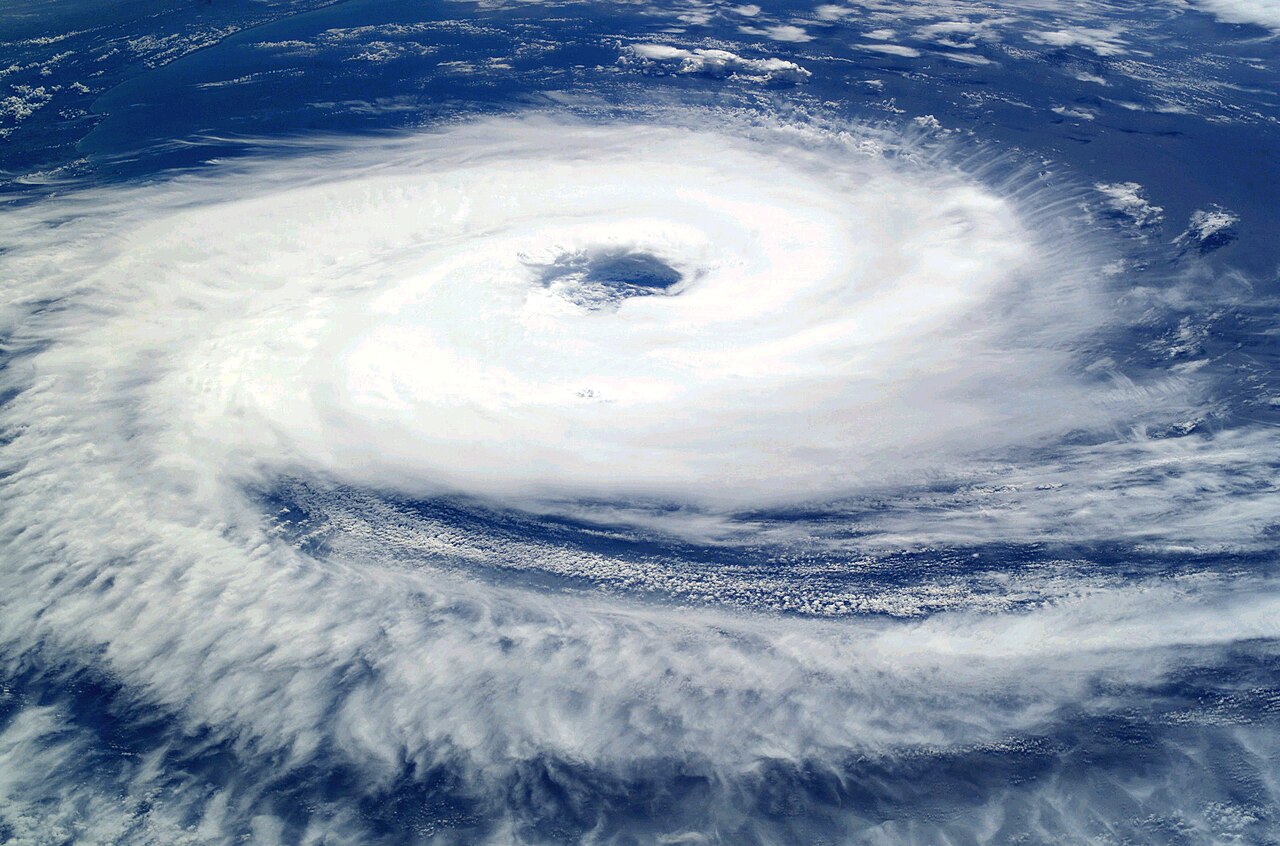



Characteristics and track
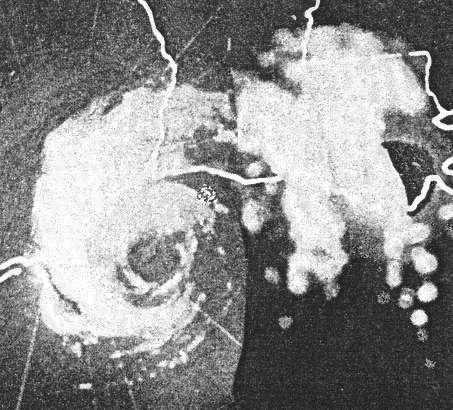
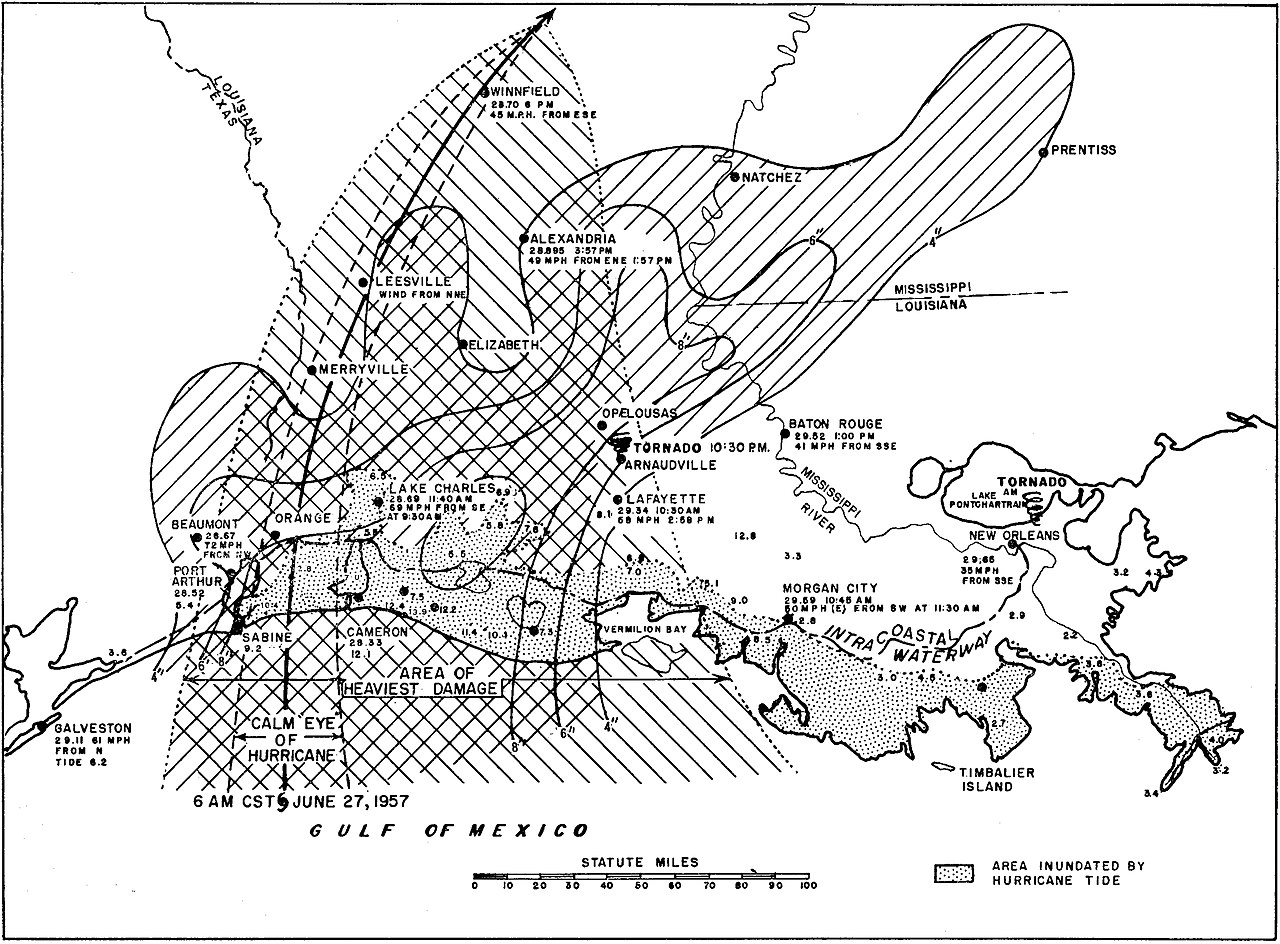
Audrey reached major-hurricane strength on the Saffir–Simpson scale and has been described in contemporary reports as a Category 3 storm at the time it moved ashore. The system moved across the Gulf of Mexico and made landfall near the border region between Louisiana and Texas. A combination of strong onshore winds and low atmospheric pressure produced a surge that inundated coastal communities, amplifying the storm's destructive effects beyond wind damage alone.
Impacts and human toll
The hurricane caused extensive destruction along the coast and well inland, destroying homes, infrastructure, and fishing communities. Contemporary accounts and post‑storm assessments attributed more than 500 fatalities to Audrey, making it one of the deadliest U.S. hurricanes of the 20th century. Economic losses included widespread property damage, loss of boats and coastal businesses, and disruption to transportation and utilities across affected parishes and counties.
- Areas affected: primarily coastal Louisiana and Texas, with severe damage reported in small coastal towns and barrier‑island communities.
- Dominant hazards: storm surge, freshwater flooding inland from heavy rain, and destructive winds accompanying the cyclone.
- Fatalities and damage: hundreds of deaths and extensive property loss; the high casualty count was largely due to the sudden surge and rapidly worsening conditions near landfall.
Aftermath and legacy
In the wake of Audrey, authorities and emergency managers reviewed evacuation procedures, warning communications, and building practices for vulnerable coastal areas. The storm highlighted limitations in forecasting and public alerting at the time and helped shape later improvements in hurricane warnings and coastal planning. Audrey remains a reference point in studies of early‑season tropical cyclones and storm‑surge impacts on low‑lying communities.
Notable distinctions
Audrey stands out in Atlantic hurricane history because of its timing and intensity: it is commonly cited as the most powerful June hurricane on record for the basin and as an example of how a rapidly strengthening storm can produce catastrophic coastal flooding with little time for residents to seek higher ground. For regional histories and detailed local accounts see materials focused on coastal Louisiana and Texas, such as reports concerning Louisiana and Texas.
Author
AlegsaOnline.com Hurricane Audrey Leandro Alegsa
URL: https://en.alegsaonline.com/art/45830