
Houma, Louisiana — parish seat and coastal city in Terrebonne Parish
Houma is the parish seat and only municipality of Terrebonne Parish, Louisiana, United States. A regional center for seafood, oil-and-gas support, and Cajun culture located amid bayous and coastal marshes.
Overview
Houma is the parish seat and the only incorporated municipality of Terrebonne Parish, in the state of Louisiana, United States. It sits in the coastal plain of southeastern Louisiana, where riverine bayous, wetlands and access to the Gulf of Mexico shape local life and economy. As recorded in 2010, the city had a population of 33,727.
Image gallery
4 Images


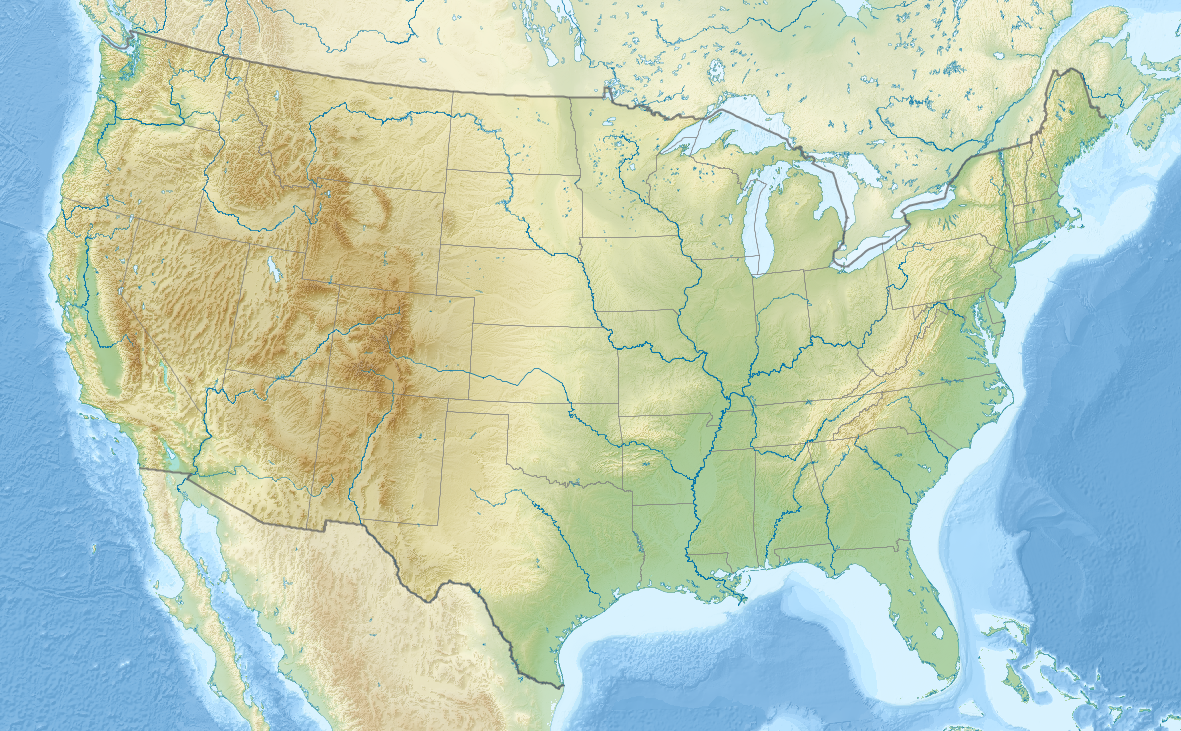
Geography and character
Houma lies amid a network of distributaries, marshes and canals that have long supported fishing, shrimping and boatbuilding. The physical setting gives the city a low, humid subtropical climate and a landscape defined by water — levees, bayous and coastal prairie are prominent features. Local architecture and settlement patterns reflect both Cajun and Creole influences.
History and name
The community takes its name from the Houma people, a Native American group indigenous to the region. European settlement and colonial trade expanded in the area during the 18th and 19th centuries, and the town developed as a regional center for river commerce, seafood processing and later energy-related services.
Economy and culture
Houma has economic ties to several industries. Prominent activities include:
- seafood harvesting and processing, especially shrimp and oysters;
- support services for offshore oil and gas operations;
- local trade and transportation serving surrounding parishes.
Cultural life blends Cajun, Creole and Southern traditions: festivals, regional cuisine and French-language heritage remain visible in community events and everyday life.
Challenges and notable facts
The city and the wider parish face environmental pressures: coastal erosion, subsidence and hurricane risk are ongoing concerns that affect infrastructure, wetlands and the fishing economy. Houma also functions as a regional civic center, with municipal institutions and services that serve a broader rural population.
For further administrative and regional information, see the pages for Terrebonne Parish, the state of Louisiana and the United States.
Related articles
Author
AlegsaOnline.com Houma, Louisiana — parish seat and coastal city in Terrebonne Parish Leandro Alegsa
URL: https://en.alegsaonline.com/art/45280
Sources
- www2.census.gov : "2016 U.S. Gazetteer Files"
- census.gov : "Population and Housing Unit Estimates"
- commons.wikimedia.org : Houma, Louisiana