
Anne of Cleves — Fourth Wife of Henry VIII
Anne of Cleves (1515–1557), a German duchess whose politically arranged marriage to Henry VIII was annulled after months; she remained in England with a generous settlement and retained royal favor.
Overview
Anne of Cleves (22 September 1515 – 16 July 1557) was a German noblewoman who became the fourth wife of King Henry VIII of England. Their marriage in January 1540 was arranged for diplomatic reasons and was annulled within months. Anne lived the remainder of her life in England with a generous settlement and retained a respected position at court.
Image gallery
10 Images




Early life and family
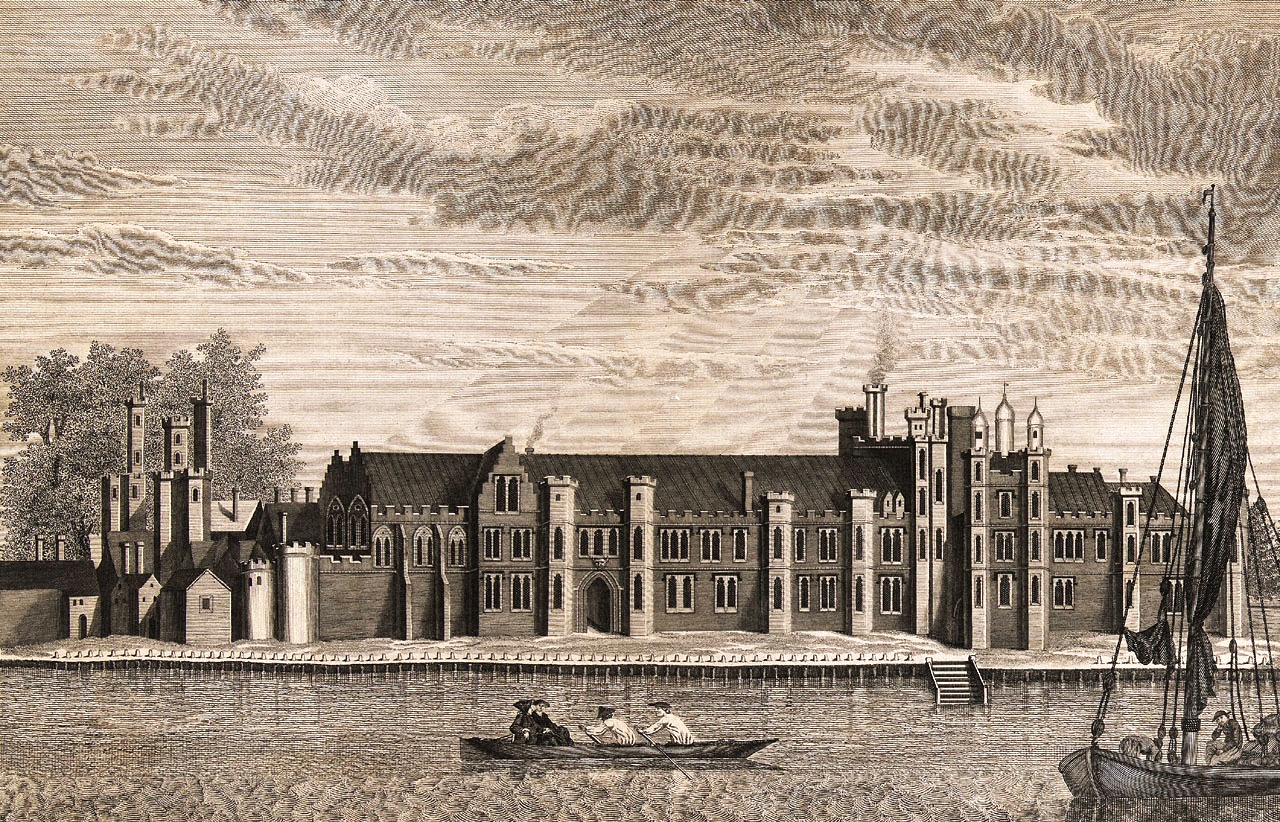
Born into the ruling family of Cleves in what is now northwestern Germany, Anne was the daughter of John III, Duke of Cleves, and Maria of Jülich-Berg. She grew up amid the political and religious changes of early 16th-century northern Europe. Her family sought an alliance with England to strengthen connections with Protestant German princes and to balance power on the continent.
Marriage, annulment and causes
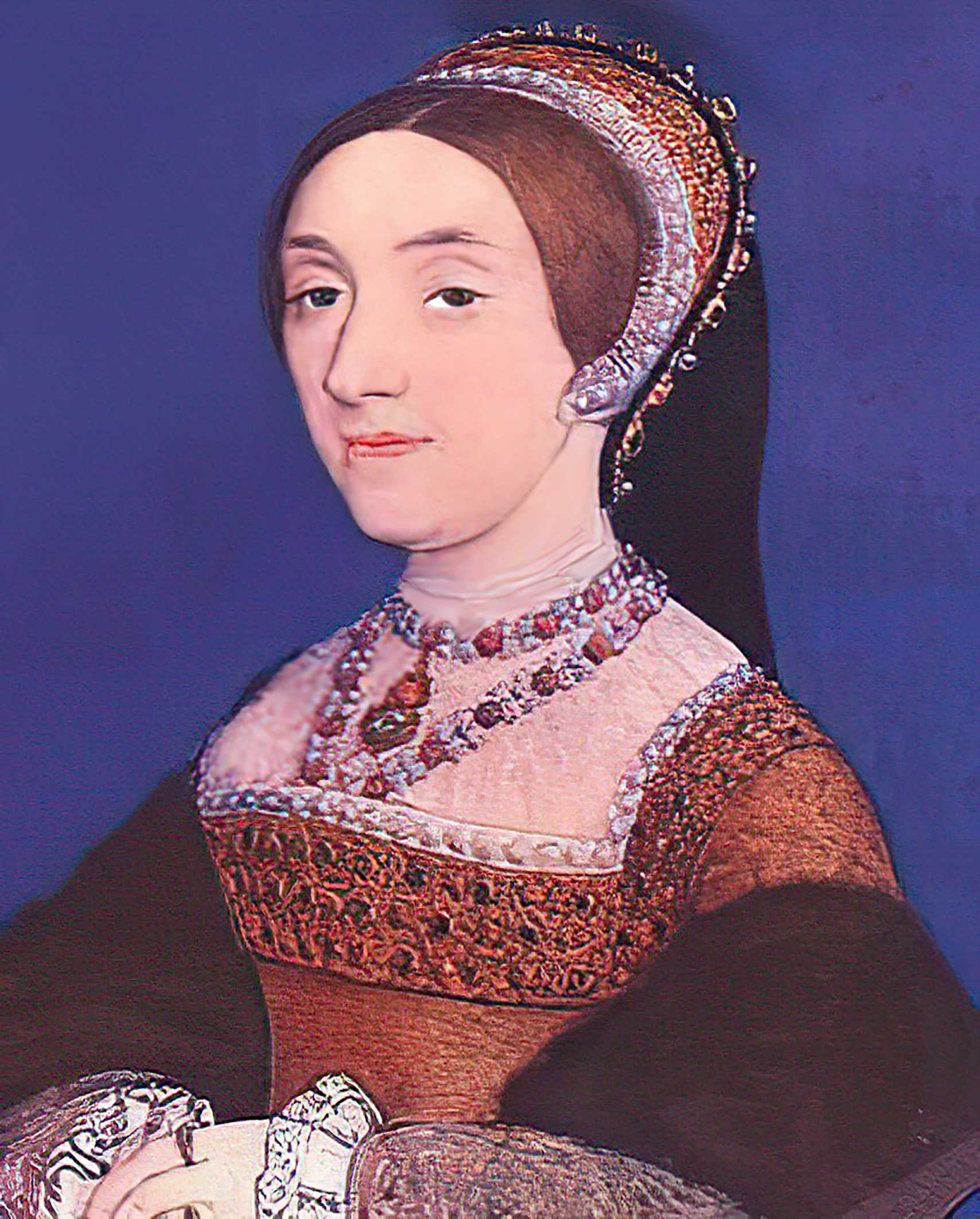
The marriage was negotiated as a political alliance; Hans Holbein the Younger painted a portrait of Anne that was shown at the English court during the negotiations. When Anne arrived in England and met Henry, the king was reportedly disappointed and their relationship did not develop as expected. The marriage appears never to have been consummated. In July 1540 the union was formally annulled on the legal grounds commonly cited in contemporary records, including non-consummation and a claimed pre-contract. The annulment was handled by the same legal and ecclesiastical mechanisms that governed other Tudor marriages.
Settlement and later life
After the annulment Anne received a comfortable settlement that included an income, several residences and the continued recognition and respect of the royal household. She was granted a status comparable to a member of the royal family and was sometimes described as the king’s sister. She maintained a household in England, attended court events during the reigns of Henry and his successors, and remained on good terms with many members of the Tudor circle. Anne and Henry had no children together.
Significance and legacy
Anne of Cleves is often discussed by historians as an example of Tudor dynastic diplomacy and the limits of marriage as a tool of statecraft. Her case also illustrates how personality, appearance and political calculation could influence royal marriages. Unusually among Henry’s wives, Anne avoided disgrace and lived out her life with security, leaving a record of relative dignity that has attracted attention in histories and cultural portrayals of the Tudor era.
- Born: 22 September 1515, Duchy of Cleves
- Marriage to Henry VIII: January–July 1540 (annulled)
- Children: none
- Died: 16 July 1557, in England
Tags
Related articles
Author
AlegsaOnline.com Anne of Cleves — Fourth Wife of Henry VIII Leandro Alegsa
URL: https://en.alegsaonline.com/art/4429