
Grease (1978 film)
1978 American musical romantic comedy directed by Randal Kleiser, adapted from the 1971 stage musical. Stars John Travolta and Olivia Newton-John; noted for its soundtrack, 1950s nostalgia and cultural influence.
Overview
Grease is a 1978 American musical romantic comedy directed by Randal Kleiser and produced by Robert Stigwood. The film is a screen adaptation of the 1971 stage musical by Jim Jacobs and Warren Casey and reimagines a stylized vision of American high school life in the 1950s. Its blend of choreography, period costume, and pop‑oriented arrangements helped the film become a mainstream entertainment success and a lasting reference point for nostalgia about postwar youth culture.
Image gallery
1 Image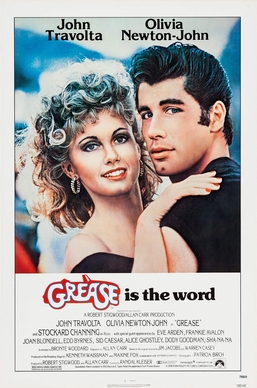
Plot and principal characters
The narrative follows a summer romance between two young people who unexpectedly meet again when the school year begins at Rydell High. Central tensions arise from peer groups, romantic rivalries and the characters' attempts to reconcile appearances with private feelings. The ensemble cast portrays a mix of greasers and their girlfriends, school authorities and classmates who together create a lively social world.
- Danny Zuko — portrayed by John Travolta, a charismatic greaser who struggles with his public image and private affections.
- Sandy Olsson — played by Olivia Newton-John, a newcomer whose transformation and identity form a core element of the plot.
- Rizzo — a leader among the Pink Ladies, portrayed by Stockard Channing, who brings a sharper edge to the group's dynamics.
- Kenickie — friend of Danny, played by Jeff Conaway, and other ensemble members round out the school community and subplots.
Production, adaptation and style
The film adaptation softened some of the musical's original grit and added material intended to broaden popular appeal. Production design draws on recognizable 1950s motifs—cars, leather jackets, diner sets and varsity styling—while the cinematography and choreography emphasize spectacle over documentary realism. Directors and producers deliberately blended period touches with late 1970s pop production values to attract contemporary audiences.
Music and notable numbers
Music is central to the film's identity. Several songs were released as singles and became enduring pop hits, contributing to the soundtrack's commercial prominence. Well known numbers from the film include ensemble pieces and duets that advance both plot and character: upbeat group scenes, romantic ballads and character-specific rockers all appear. The soundtrack helped bridge the movie musical and mainstream pop radio.
- Ensemble and dance numbers that stage social life at Rydell
- Romantic duets and ballads that foreground the central relationship
- Character songs that define personalities and comic beats
Reception, legacy and influence
On release, the film attracted large popular audiences and sustained visibility through soundtrack sales and television broadcasts. It developed a long cultural afterlife: stage revivals, fan communities, themed performances and a follow-up film expanded its profile. Critics and scholars have discussed its mixture of nostalgia and commercialism, and some have debated its portrayal of gender roles and adolescence. Regardless, Grease is widely cited as an influential example of how a movie musical can achieve mainstream chart success and shape fashions and popular memory of an era.
Continuing presence
The film's popularity led to further adaptations and ongoing interest in its songs and style. A 1982 sequel extended the franchise and stage productions continue to bring the story to new audiences. For basic credits and further reading consult entries on the film itself and on principal figures such as the director Randal Kleiser, the producer Robert Stigwood, and leading cast members John Travolta, Olivia Newton-John, Stockard Channing and Jeff Conaway. Additional material on characters and fan communities can be found via character and cultural indexes such as the page for Rizzo.
Related articles
Author
AlegsaOnline.com Grease (1978 film) Leandro Alegsa
URL: https://en.alegsaonline.com/art/40445