
Fritz Thyssen (German industrialist)
Fritz Thyssen (1873–1951), heir to the Thyssen steel empire; an early financial backer of the Nazi Party who later broke with the regime, endured wartime detention, and left memoir material reflecting on his choices.
Overview
Friedrich "Fritz" Thyssen (9 April 1873 – 8 January 1951) was a German industrialist and heir to the Thyssen family steel and mining interests. He played a prominent role in Germany's heavy industry during the turbulent decades around the two world wars. Thyssen is widely remembered for his early financial support of right‑wing and National Socialist movements in the late Weimar period and for his subsequent disillusionment with Nazi rule.
Image gallery
1 Image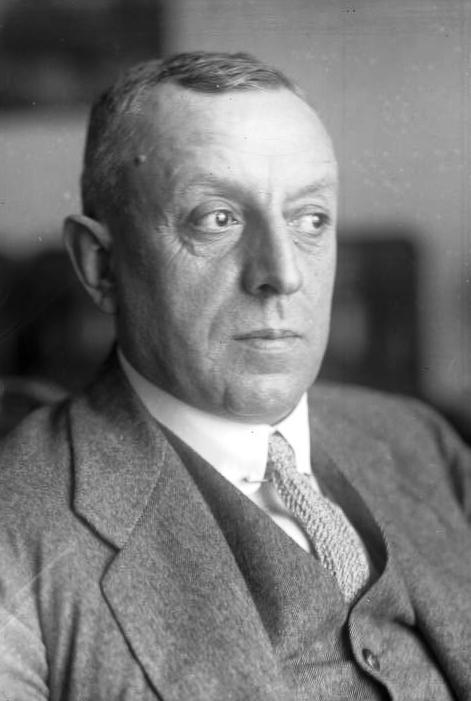
Early life and industrial role
Born into the wealthy Thyssen family, Fritz was the son of August Thyssen, who built a major coal, iron and steel enterprise. Fritz inherited substantial holdings and influence in the family's companies. Under the broader Thyssen enterprise the family helped supply industrial and infrastructural needs of modern Germany; in later decades parts of the business were reorganised and the Thyssen name became associated with the larger industrial group that eventually formed ThyssenKrupp.
Political engagement and support for nationalist movements
Concerned by political instability, socialist influence and economic crises during the Weimar Republic, Thyssen supported conservative and nationalist forces. He provided financial backing to organisations and politicians who promised to defend private property and oppose communism. This pattern of industrial support for right‑wing parties is an important element in studies of interwar German politics.
Break with the regime and wartime fate
Although Thyssen initially hoped the National Socialist movement would stabilise the country, he became increasingly critical as the regime radicalised and pursued aggressive and repressive policies. He lost influence within the political system, was subject to state pressure and, at times, suffered detention and restricted liberty during the war years. After the conflict he sought to explain and reassess his earlier decisions.
Postwar life and legacy
In the postwar period Thyssen was involved in denazification processes and in providing testimony and memoir material about his political activity. His statements and documents have been used by historians to trace the relationships between business elites and authoritarian politics. The Thyssen family remained a prominent name in German industry, and Fritz Thyssen's life continues to be studied as an example of the moral and political dilemmas faced by economic elites in times of crisis.
Historical significance
- Thyssen's financial support for right‑wing movements illustrates the interactions between industry and politics in the Weimar era.
- His later break with Nazism and wartime detention are part of a complex personal and political trajectory examined by historians.
- The Thyssen industrial lineage continued after his death and contributed to Germany's postwar industrial reconstruction.
Fritz Thyssen's career is therefore significant both for the history of German industry and for understanding how business leaders responded to the pressures of radical politics in the first half of the 20th century.
Related articles
Author
AlegsaOnline.com Fritz Thyssen (German industrialist) Leandro Alegsa
URL: https://en.alegsaonline.com/art/36785