
Eureka, Nevada
Eureka is a small historic mining town and census-designated place in central Nevada. It serves as the county seat of Eureka County and is known for 19th-century buildings, mining heritage and as the birthplace of Tony Mendez.
Overview
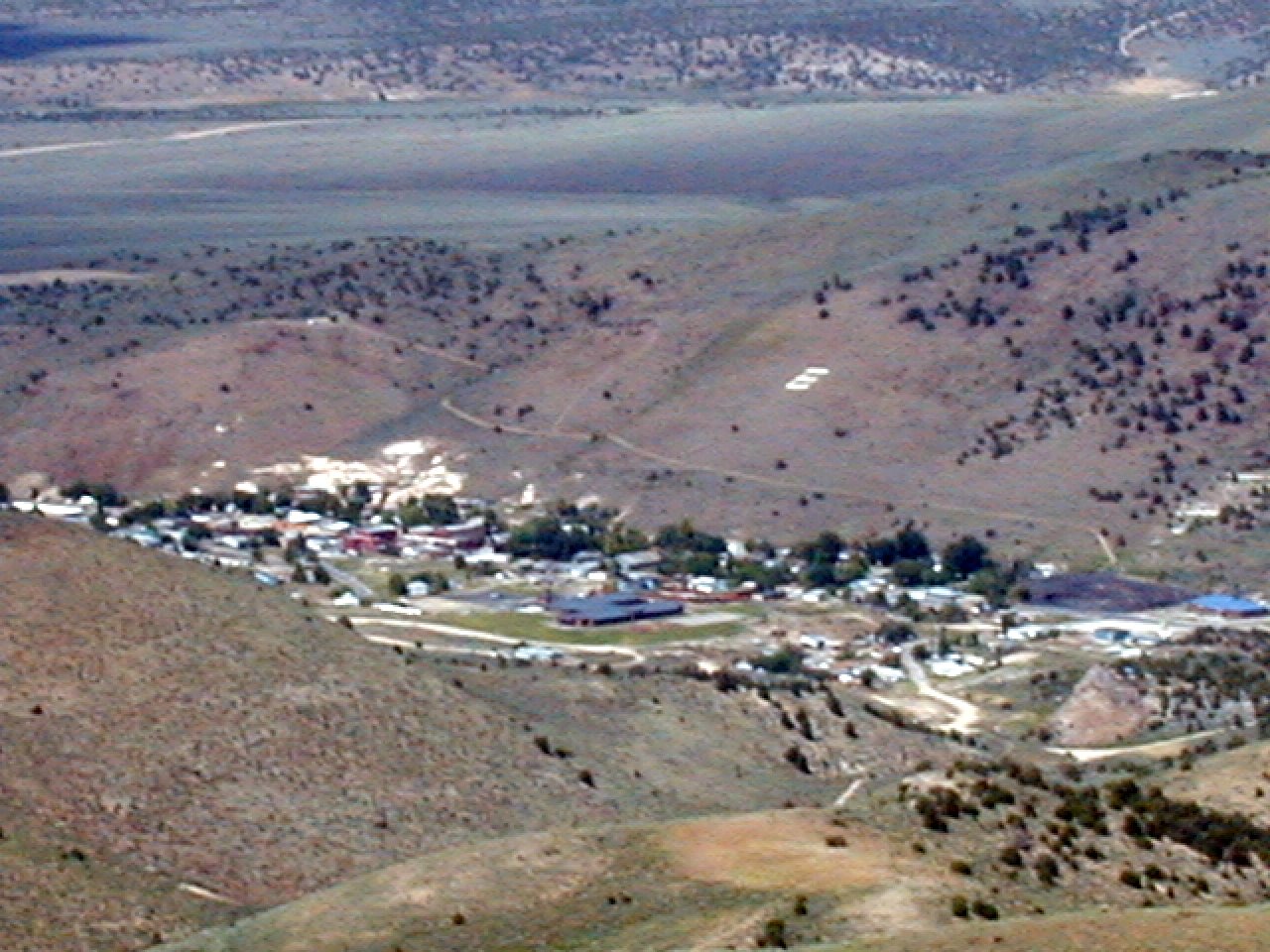
Eureka is an unincorporated town and census-designated place located in the central part of the Nevada high desert in the United States. It functions as the administrative center and county seat of Eureka County. The community is compact, with a strong sense of local identity tied to its historic downtown and surrounding rural landscape.
Image gallery
10 Images




Geography and character
Set amid broad basins and nearby mountain ranges, Eureka sits at a higher-elevation, semi-arid environment typical of interior Nevada. The town’s layout centers on a Main Street with many intact commercial buildings from the town’s growth period. The built environment and open surroundings give Eureka a distinctive frontier-era character that draws visitors interested in history and scenic drives.
History and development
Eureka grew as a mining district in the 19th century, established by prospectors and entrepreneurs who developed mines for silver, lead and other ores. The town expanded during successive booms and later stabilized as large-scale underground and open-pit operations waxed and waned. That mining legacy shaped local institutions, roads and community life.
Architecture, landmarks and culture
Eureka retains many 19th-century commercial and civic buildings, including an historic courthouse and theater spaces that host community events. Visitors encounter museum exhibits, restored storefronts and public architecture reflecting the town’s mining past. Local festivals and interpretive signs often highlight mining techniques and daily life from earlier eras.
Economy and role
Mining and related services remain part of the regional economy alongside ranching, county government employment and a modest tourism sector. As the county seat, Eureka is a hub for local administration, legal affairs and public services that serve a wide rural area.
Notable facts
- The town is the birthplace of CIA operative Tony Mendez, known for his later career in intelligence and exfiltration techniques.
- Eureka’s downtown and historic buildings make it a point of interest for heritage tourism and for those tracing Nevada’s mining history.
For more local and historical resources, primary materials and tourism information can be found through regional archives and county offices linked by local visitor centers and online portals.
Related articles
Author
AlegsaOnline.com Eureka, Nevada Leandro Alegsa
URL: https://en.alegsaonline.com/art/32562