
Abbotsford House: Home and Museum of Sir Walter Scott
Abbotsford House, near Melrose in the Scottish Borders, is the historic home of Sir Walter Scott. Now a museum, it preserves his collections, library and the Scots Baronial house and estate for visitors.
Overview
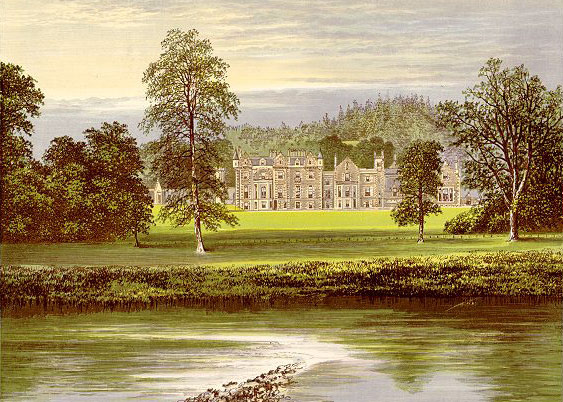
Abbotsford House stands near the town of Melrose in the Scottish Borders (historically Roxburghshire). It was created and lived in by the novelist and poet Sir Walter Scott from 1812 until his death in 1832. Scott developed the house as a personal statement of taste, history and antiquarian interest; it became well known during his lifetime and remains a place of literary pilgrimage, interpretation and public remembrance.
Image gallery
10 Images





Architecture and setting
The house is a notable example of the 19th-century revival of medieval and baronial motifs often referred to as Scots Baronial. Scott combined, adapted and added to earlier buildings and used quarried stone and carved detail to create an eclectic ensemble of battlements, turrets and decorated interiors intended to evoke a romanticised past. The surrounding landscape, terraces and proximity to the River Tweed contribute to its picturesque character.
Building history and development
Work on Abbotsford progressed in phases as Scott acquired adjacent properties and incorporated salvaged architectural fragments. Rooms were arranged to display collections, to accommodate guests and to provide a working library and study. The fabric of the house records changes in taste, domestic technology and the practical needs of a high-profile writer and landowner in the early 19th century.
Collections and interiors
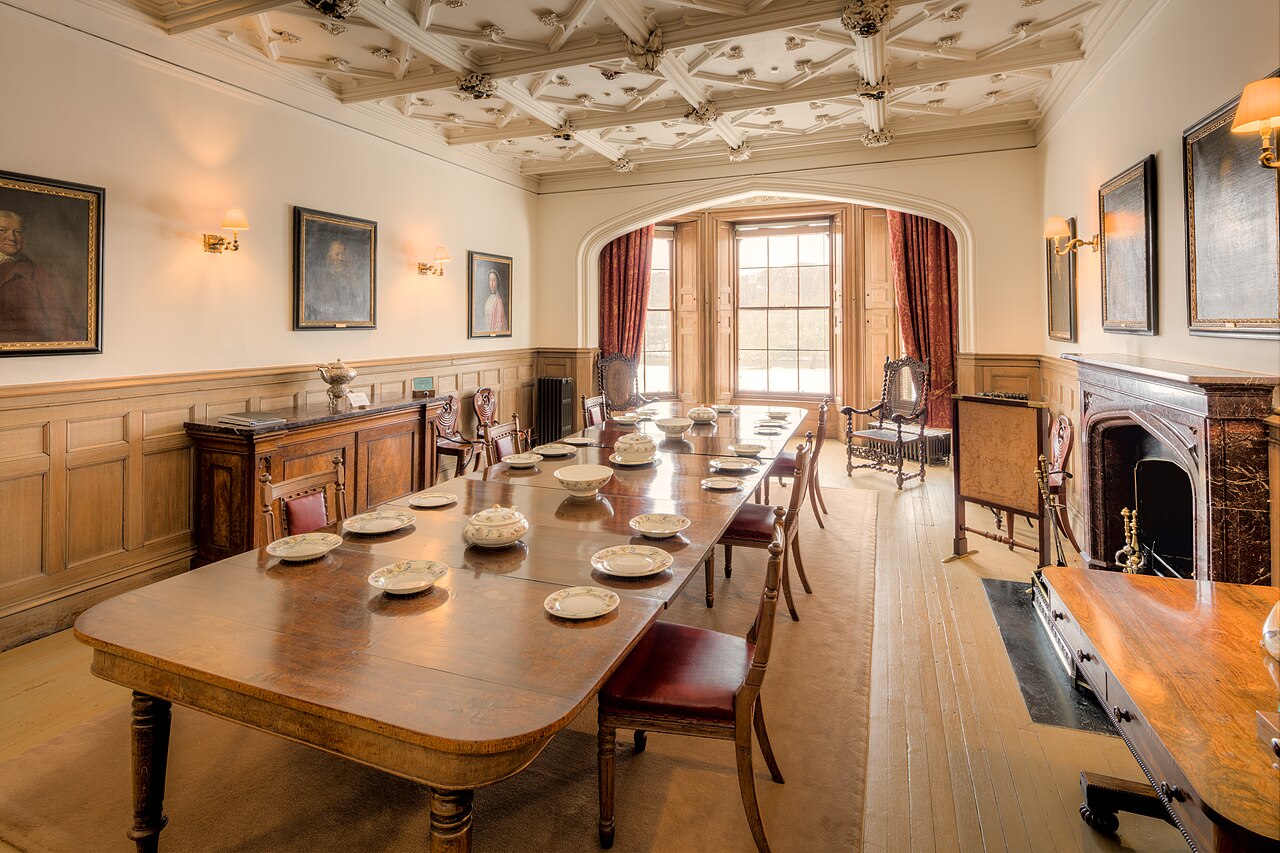
Abbotsford preserves a wide-ranging collection assembled by Scott: printed books, manuscripts, antiquities, armour, furniture and paintings. Visitors encounter the writer's study and library, family portraits and displays that illuminate his working methods, publishing practices and the historical sources that inspired his fiction. The way rooms are arranged reflects both domestic life and the presentation of historical material for visitors of Scott's day.
Historical and cultural significance
Scott is widely credited with popularising the historical novel; titles closely associated with him include Waverley, Rob Roy and Ivanhoe. Abbotsford helped shape public perceptions of Scotland's past and encouraged a broader revival of interest in national history, antiquarianism and the romantic historicising of landscapes and architecture. The house is recognised for its special architectural and historic interest and is protected as a listed building (listed status).
Conservation, stewardship and visiting
Today Abbotsford operates as a museum and cultural site with active conservation of both its fabric and collections. The site presents guided tours, temporary exhibitions and educational programmes that explore literature, heritage and conservation practice. Events and activities reflect Scott's legacy and the continuing public interest in 19th-century literature and historic houses.
Notable works and influence
- Waverley — often regarded as the start of the modern historical novel.
- Rob Roy — set in the Borders and drawing on local history and legend.
- Ivanhoe — a medieval romance that influenced later popular views of the Middle Ages.
- The Lady of the Lake — a narrative poem that helped establish Scott's reputation.
Practical information
Abbotsford remains an important destination for students of literature, architectural history and conservation. Visitor facilities typically include house tours, access to gardens and grounds, a shop and interpretive displays. The house's proximity to Melrose makes it accessible as part of wider exploration of the Scottish Borders' historic sites and cultural landscape.
Related articles
Author
AlegsaOnline.com Abbotsford House: Home and Museum of Sir Walter Scott Leandro Alegsa
URL: https://en.alegsaonline.com/art/321