
En (Cyrillic letter)
En (Н, н) is the thirteenth letter of the Cyrillic alphabet, representing the /n/ sound. It derives from Greek nu and corresponds to the Latin letter N; used across Slavic and non-Slavic Cyrillic scripts.
Overview
En (capital: Н, small: н) is the thirteenth character of most Cyrillic alphabets. Its primary phonetic value is the alveolar nasal consonant /n/, the same basic sound as the Latin letter N. In transliteration systems it is normally rendered as the Latin N.
Image gallery
10 Images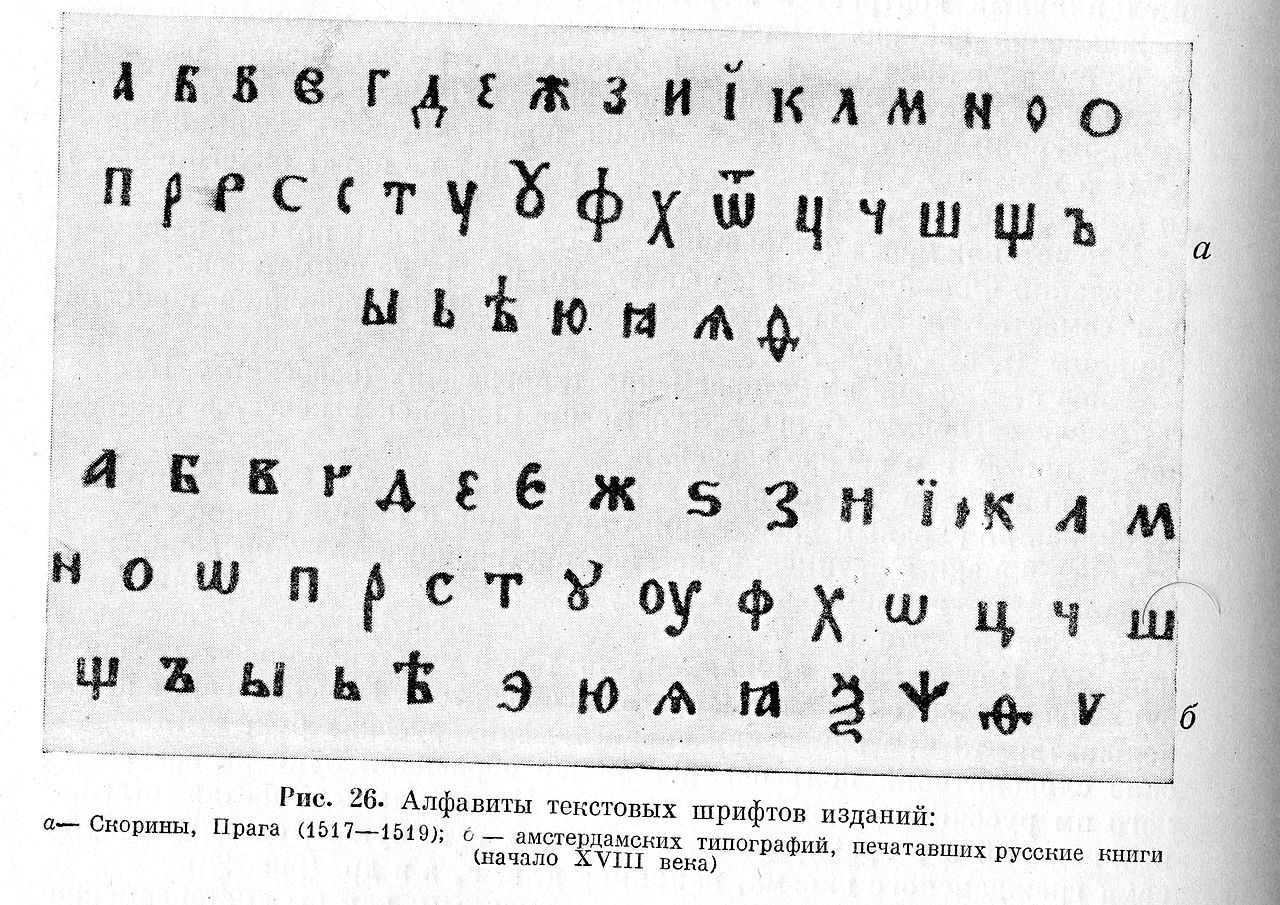



Graphic forms and typography
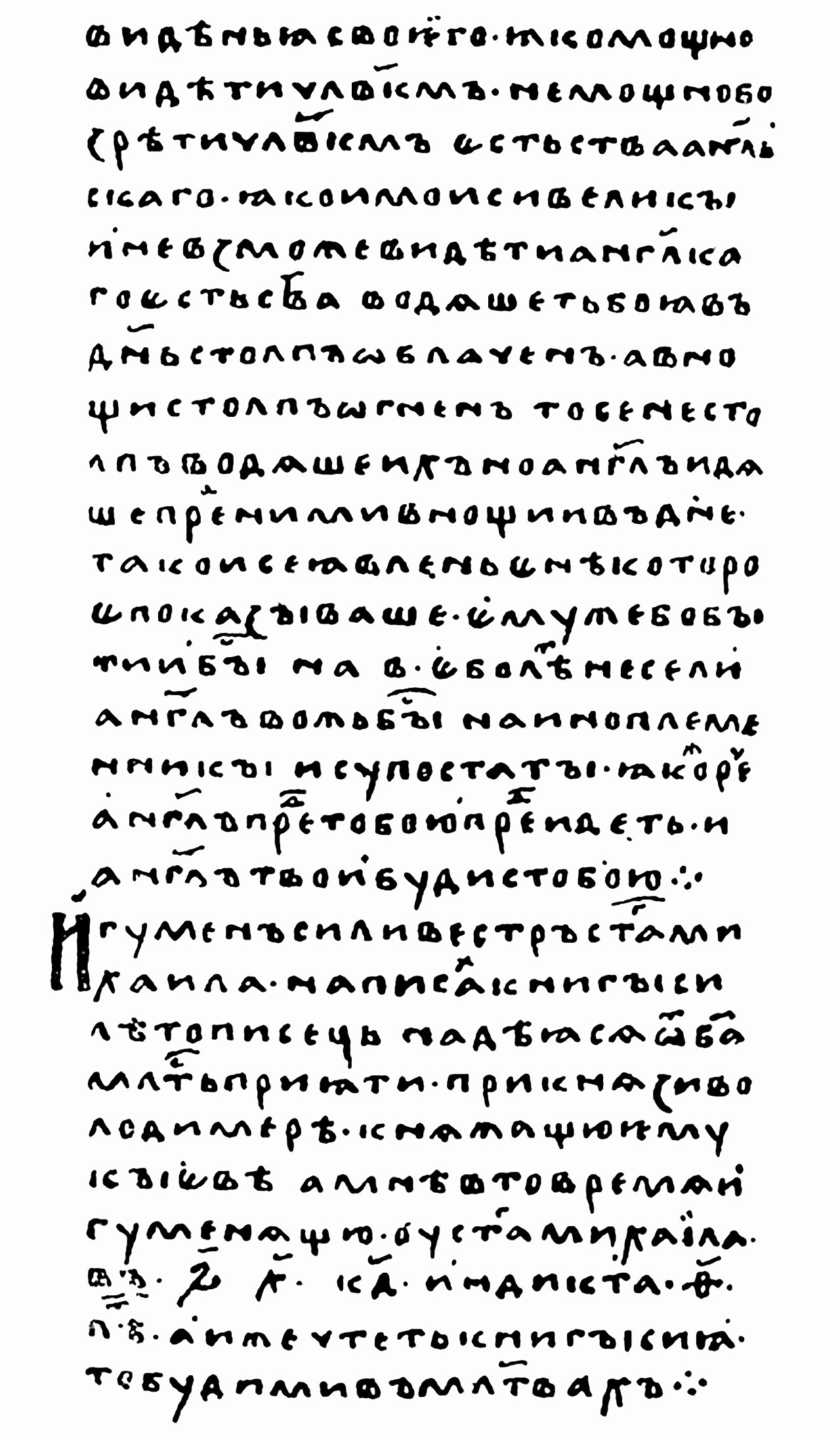
The uppercase Cyrillic Н closely resembles the Latin H in many typefaces, but it represents a different sound. The lowercase н usually appears as a vertical stem with a curved right stroke; italic and cursive forms can differ visibly from printed shapes. In handwriting and some type styles the letter may take a single-storey or slightly rounded form.
Origin and historical development
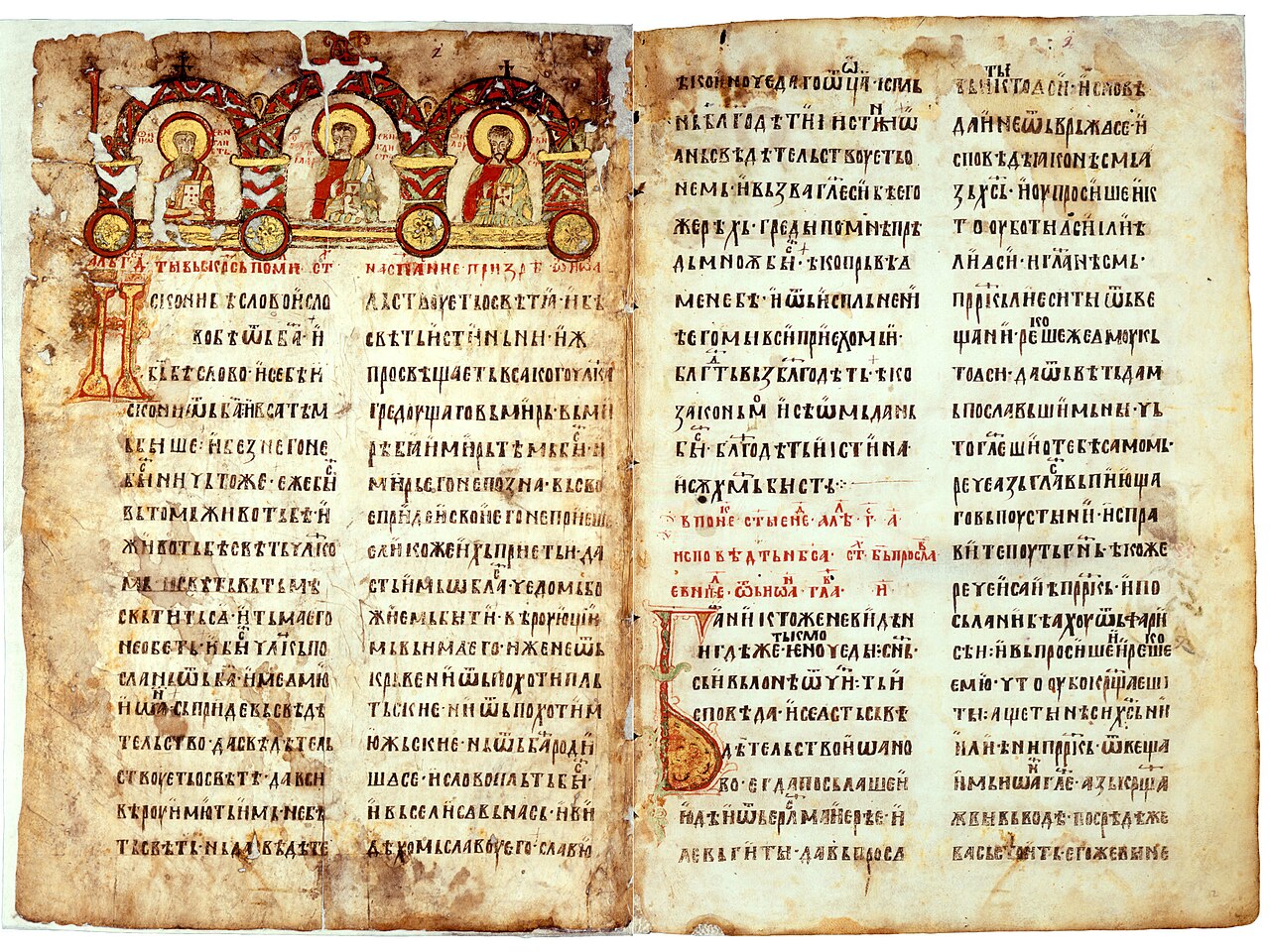
En derives from the Greek letter nu (Ν ν), which was adapted into early Slavic writing systems when the Cyrillic alphabet was developed in the First Bulgarian Empire for Old Church Slavonic. The Greek origin explains the visual kinship between Cyrillic Н and Greek Ν. Historical Slavic scripts such as Glagolitic also had an equivalent sign for the /n/ sound.
Use across languages
Most languages that use Cyrillic — including Russian, Ukrainian, Bulgarian, Serbian, Macedonian and Belarusian — employ Н for /n/. Non-Slavic languages that adopted Cyrillic orthographies (for example some Turkic and Mongolic languages) also use the letter, sometimes with different pronunciation rules or in digraphs. Palatalized or softened variants of /n/ are typically marked by additional letters or diacritics rather than changing the basic letter.
Encoding, transliteration and distinctions
In modern digital text, the capital and small En are encoded at Unicode code points U+041D and U+043D respectively. Standard transliteration maps En to Latin N. A common practical note: because uppercase Н looks like Latin H, signage and multilingual texts can cause confusion for readers who expect the Latin sound; designers and font creators often introduce subtle differences to help readers distinguish scripts.
Notable facts
- The letter’s presence across many alphabets makes it one of the most stable elements of Cyrillic orthography.
- Its lineage from Greek nu is a clear example of the borrowing and adaptation that shaped the early Cyrillic inventory.
Author
AlegsaOnline.com En (Cyrillic letter) Leandro Alegsa
URL: https://en.alegsaonline.com/art/31312