
Elsa (Disney character)
Elsa is the fictional queen of Arendelle from Disney's Frozen films, known for her ice powers, emotional arc from isolation to acceptance, and cultural impact since 2013.
Overview
Elsa is a central character created by Walt Disney Animation Studios for the feature film Frozen (2013) and its sequel Frozen II (2019). She rules the Nordic-inspired kingdom of Arendelle and is best known for her supernatural ability to create ice and snow. Her emotional journey—from fear and self-imposed isolation to acceptance and leadership—forms the backbone of the films' narratives.
Image gallery
8 Images



Character and powers
Born with cryokinetic abilities, Elsa can shape ice and snow, form living ice structures, and lower temperatures. Her powers are portrayed as both beautiful and dangerous: when uncontrolled they threaten others and her own sense of belonging. Over the course of the films she learns greater control and deeper insight into the origins and responsibilities of her gift.
Development, voice and inspirations
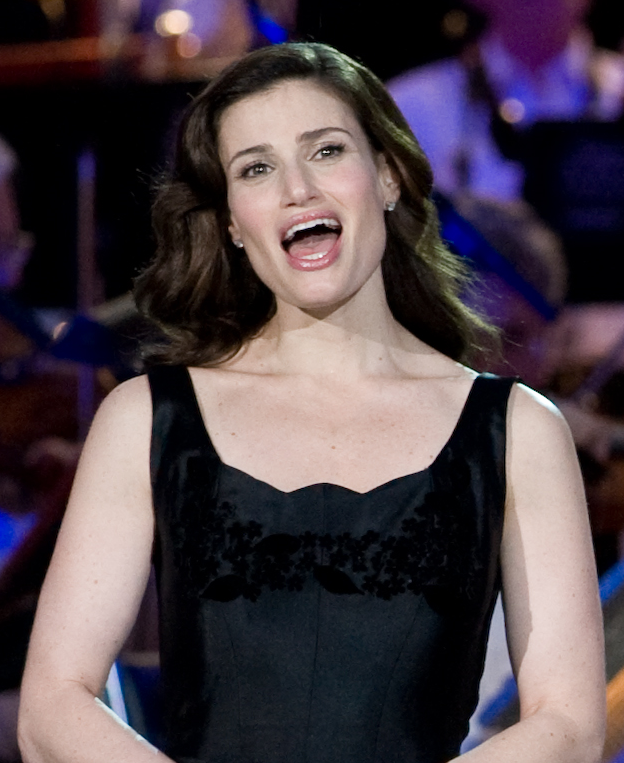
The character draws loose inspiration from Hans Christian Andersen's fairy tale "The Snow Queen," though Disney reworked the material into an original story. Adult Elsa is voiced by singer and actress Idina Menzel, while younger versions are performed by Eva Bella (young Elsa) and Spencer Lacey Ganus (teen Elsa). Elsa's younger sister, Anna, is a key figure whose relationship with Elsa drives much of the plot and emotional stakes.
Role in the films
In Frozen, Elsa's inability to conceal her powers leads to a crisis at her coronation and a self-exile that catalyzes the film's conflict. The song "Let It Go," performed by Elsa, became a defining moment for the character and for popular culture. Frozen II expands Elsa's story, exploring the source of her magic and her place in the wider world while testing her bonds with family and kingdom.
Cultural impact and reception
Elsa quickly became one of Disney's most recognizable contemporary heroines. Her image appears across merchandise, theme-park attractions, and media tie-ins. Critics and audiences have highlighted the character's emotional complexity, the films' themes of identity and sisterhood, and the shift away from traditional romantic endings toward self-discovery.
Notable distinctions
- Unlike many earlier animated princesses, Elsa's arc centers on mastery of self and responsibility rather than courtship.
- Her visual design—glittering ice costumes and animation that emphasizes crystalline forms—became a signature aesthetic for the franchise.
- Elsa has been interpreted in varied ways by viewers, inspiring discussions about disability, difference, and empowerment in modern animation.
Overall, Elsa remains an influential figure in 21st-century animation: a character whose powers, vulnerabilities, and leadership contributed to the global success of the Frozen franchise.
Related articles
Author
AlegsaOnline.com Elsa (Disney character) Leandro Alegsa
URL: https://en.alegsaonline.com/art/31025
Sources
- emertainmentmonthly.com : "Review: Frozen Goes Where No Disney Film Has Gone Before"
- thedailybeast.com : "Disney's Sublimely Subversive 'Frozen' Isn't Your Typical Princess Movie"
- telegraph.co.uk : "5 reasons why Frozen's Let It Go is so addictive"