
Elista — capital of the Republic of Kalmykia, Russia
Elista is the administrative center of Kalmykia in southern Russia, known for its steppe setting, Kalmyk Buddhist heritage, distinctive architecture and cultural projects including chess and religious sites.

Elista (Russian: Элиста; Kalmyk: Элст) is the administrative capital of the Republic of Kalmykia, a federal subject of Russia. Located on the Eurasian steppe, the city functions as the political, cultural and economic center of the region. Census figures recorded a population of approximately 103,749 residents in 2010, though numbers have varied since then.
Image gallery
9 Images


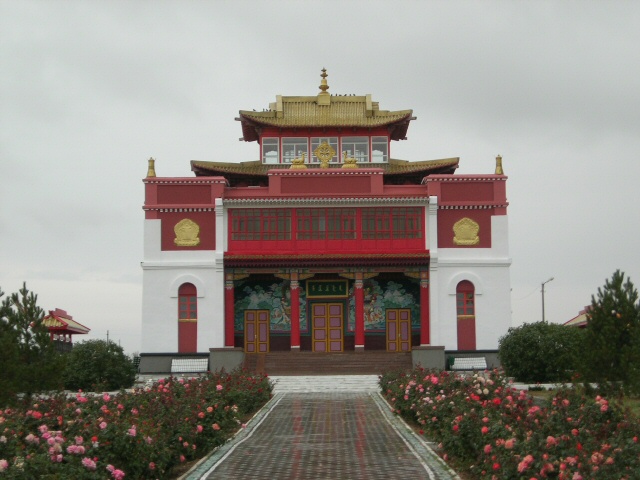

Geography and character
Elista sits in a flat, semi-arid steppe landscape that shapes its climate, economy and urban form. The surrounding plains support agriculture and livestock herding rather than dense forests. The city's layout combines Soviet-era planning with more recent developments; public spaces, administrative buildings and cultural institutions define its compact urban core.
History and development
Elista grew from small settlements into an administrative town over the 19th and 20th centuries as the Russian state incorporated the Kalmyk people and their lands. During the Soviet era it expanded as a regional center. Since the late 20th century the city has seen projects aimed at cultural revival and tourism that highlight Kalmyk language, Buddhist traditions and regional identity.
Culture, religion and notable projects
Kalmykia is notable as one of the few predominantly Buddhist regions in Europe, and Elista is the focal point for that heritage. The city hosts Buddhist temples and centers that serve both religious and cultural functions. In recent decades Elista gained attention for ambitious cultural initiatives, including investment in parks, monuments and international events intended to raise its profile.
Points of interest and institutions
- Religious and cultural complexes that reflect Kalmyk Buddhism and local traditions.
- Administrative buildings and museums documenting regional history and ethnography.
- Public parks and squares designed as civic gathering places.
- Facilities for events that have drawn national and international visitors.
Elista's role as capital of Kalmykia makes it important for regional governance, education and cultural preservation. While modest in size compared with Russia's large cities, it offers a distinctive combination of steppe environment, Kalmyk cultural revival and visible attempts to promote tourism and international exchange. Visitors and scholars often note the city's blend of traditional religious life and modern administrative function.
Related articles
Author
AlegsaOnline.com Elista — capital of the Republic of Kalmykia, Russia Leandro Alegsa
URL: https://en.alegsaonline.com/art/30856