
Elisabeth of Bavaria (Empress Elisabeth of Austria)
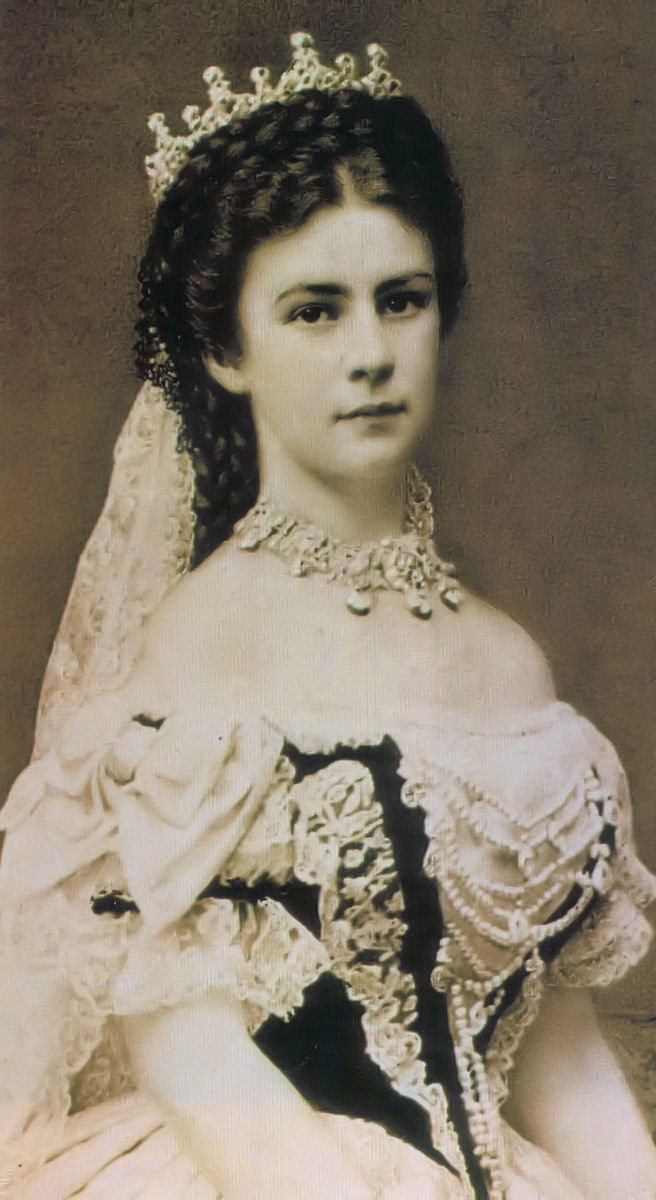
Empress Elisabeth of Austria (1837–1898), often called Sisi, was a Bavarian-born consort of Emperor Franz Joseph I, known for her beauty, independent spirit, tragic family life, extensive travels and assassination in 1898.
Overview
Elisabeth of Bavaria (24 December 1837 – 10 September 1898), commonly known by the nickname "Sisi," was the consort of Emperor Franz Joseph I and a prominent public figure in the late Habsburg monarchy. Born into the Bavarian ducal branch of the House of Wittelsbach, she became Empress of Austria and later Queen of Hungary after the 1867 political settlement. Her life combined court ritual with personal independence, and her dramatic death made her an enduring cultural icon.
Image gallery
10 Images




Early life and marriage
Elisabeth grew up in a comparatively informal Bavarian ducal household, contrasted with the rigid imperial court she entered when she married the young Emperor. The union was arranged in the dynastic manner of the era, and she quickly found herself under the surveillance and influence of the Habsburg court and its senior members. Though the marriage produced heirs, Elisabeth and the Emperor maintained different temperaments and priorities throughout their lives.
Role, public image and interests
As Empress, Elisabeth occupied an ambiguous position: at once highly visible and often absent. Court duties, state ceremonies and charitable appearances were part of her role, yet she disliked the constrictions of court life and spent long periods traveling. She became known for her beauty, fashion, and elaborate personal care routines. Elisabeth took special interest in Hungary, learned the language, and cultivated strong ties there, which helped smooth relations leading to the Compromise of 1867 and her recognition as Queen of Hungary.
Family life and personal struggles
Elisabeth's family life was marked by sorrow and tension. She bore children and took a particular attachment to some, but she also suffered private tragedies that affected her mental health. The imperial household and her relations with powerful court figures were often strained, and she sought refuge in travel, poetry and strict personal regimens. Her passion for riding, walking, and health regimes became well known.
Children
- Sophie (died in childhood)
- Archduchess Gisela
- Crown Prince Rudolf
- Archduchess Marie Valerie
Assassination and legacy
Elisabeth's life ended violently when she was assassinated in Geneva in 1898. Her death shocked Europe and intensified public fascination with her life. Over the 20th and 21st centuries she became the subject of numerous biographies, films and works of popular culture that emphasize her beauty, tragic destiny and rebellious character. Her memory remains complicated: simultaneously a symbol of romantic tragic royalty and a figure who struggled against the demands of dynastic life.
For more on the political context and the Emperor she married, see the profile of Emperor Franz Joseph I.
Related articles
Author
AlegsaOnline.com Elisabeth of Bavaria (Empress Elisabeth of Austria) Leandro Alegsa
URL: https://en.alegsaonline.com/art/30849