
Eldest — second novel in the Inheritance Cycle
Eldest is the second novel in Christopher Paolini’s Inheritance Cycle. It continues Eragon’s journey with expanded worldbuilding, parallel storylines, and themes of training, identity, and the costs of rebellion.
Eldest is the second novel in the high‑fantasy series known as the Inheritance Cycle, written by Christopher Paolini. It follows the events of Eragon and continues the coming‑of‑age story of a young Dragon Rider as the conflict with a tyrannical ruler intensifies. The first hardcover edition was released on August 23, 2005 and a paperback edition followed in 2006; the volume expanded the series’ scope and cast compared with the debut.
Image gallery
1 Image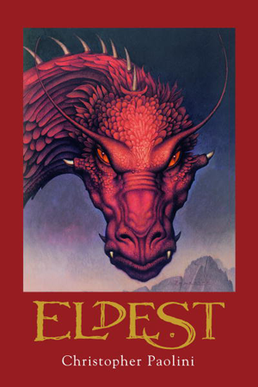
Overview and structure
Eldest broadens the saga through a split narrative that follows different protagonists in separate regions. One strand follows the Rider’s training with elven mentors, notably the elderly Rider Oromis and his dragon Glaedr, where instruction, ancient lore and magic are emphasized. Another strand follows the protagonist’s relatives and allies as they respond to the upheaval caused by rebellion, displacement and wartime pressures. The novel alternates perspectives to develop both personal growth and political consequences.
Setting and plot elements
The book deepens the series’ worldbuilding: cultures, languages, and histories receive more attention, and nonhuman societies such as elves and dwarves play larger roles. Magic is treated as a system tied to language, heritage and training. Rather than serving only as episodic adventure, events in Eldest often focus on apprenticeship, difficult moral choices, and the long‑term effects of conflict on communities.
Characters and themes
Returning characters gain complexity while new allies and antagonists appear. Major themes include mentorship, the responsibilities that accompany power, questions of identity and loyalty, and the human cost of resistance. The novel balances scenes of instruction and introspection with episodes of combat and political maneuvering, using character development to drive the narrative.
Publication, reception and legacy
Published in 2005 and appearing in paperback the next year, Eldest reached a broad young‑adult and fantasy readership. Reviewers and readers noted its increased worldbuilding and length: many praised the ambition and expanded character work, while some criticized its pacing and detail. The volume is generally considered an important middle entry that sets up later developments in the series and is normally read after Eragon and before subsequent volumes in the cycle. For further bibliographic and author information see the series page and author resources: Inheritance Cycle, Christopher Paolini, and contemporary publication listings from 2005 and related materials noting the original release date.
Related articles
Author
AlegsaOnline.com Eldest — second novel in the Inheritance Cycle Leandro Alegsa
URL: https://en.alegsaonline.com/art/30633
Sources
- amazon.com : "Eldest paperback"