
Einin (Japanese era, 1293–1299)
Einin (永仁) was a Japanese era name from August 1293 to April 1299, spanning part of the late Kamakura period and the reigns of Emperors Fushimi and Go‑Fushimi.
Einin (永仁) was a Japanese era name (nengō) that ran from August 1293 through April 1299. It followed the Shōō era and preceded the Shōan era in the sequence of classical era names. The term "Einin" is used in historical records to date documents and events occurring in this six‑year span.
Image gallery
4 Images


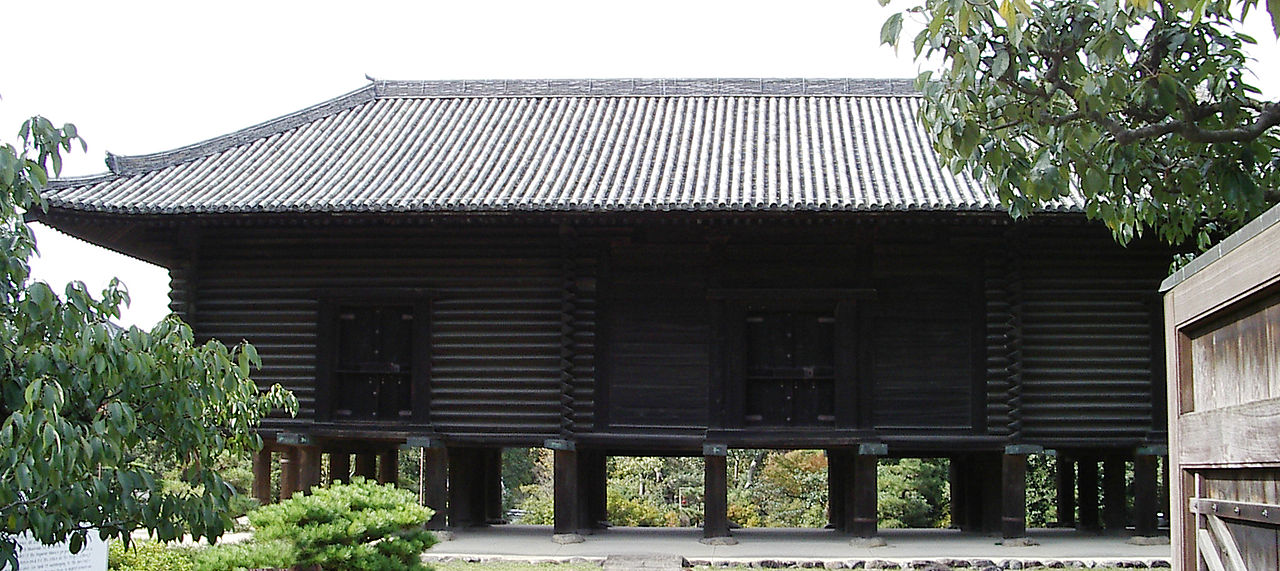
Background and meaning
The system of era names, or nengō, was adopted in Japan to mark years for official and ceremonial purposes. Era names are often chosen for auspicious meanings or to mark an important change; the individual characters and their combined meaning are part of the era’s identity. The Japanese word for "year name" is sometimes rendered as nengō.
Political and historical context
Einin falls within the Kamakura period, when political authority was divided between the imperial court in Kyoto and the military government (bakufu) based at Kamakura under the Hōjō regency. During Einin the imperial household experienced a succession: Emperor Fushimi and his successor, known as Go‑Fushimi, are recorded as the reigning sovereigns of this era in court chronicles.
Notable occurrences
Historical accounts note that the early months of Einin followed a period of natural and social stress common in medieval Japan. A major earthquake struck the Kantō—especially the Kamakura area—shortly after the start of the Einin period, and contemporaneous sources reflect the disruption such disasters produced for urban centers and the military government. The era also records routine court affairs, such as appointments, ceremonial observances, and the formalities associated with imperial succession.
Chronology and principal figures
- Preceded by: Shōō
- Einin (永仁): August 1293–April 1299
- Emperors during Einin: Emperor Fushimi and his successor Go‑Fushimi
- Succeeded by: Shōan
Although Einin covers a relatively brief interval, it is useful to historians for dating documents and understanding the continuity of court ritual and political interaction between Kyoto and the Kamakura bakufu. References to Einin appear in official court diaries and legal records, and the era forms part of the broader timeline of medieval Japan.
Related articles
Author
AlegsaOnline.com Einin (Japanese era, 1293–1299) Leandro Alegsa
URL: https://en.alegsaonline.com/art/30485
Sources
- books.google.com : "Einin"
- books.google.com : Annales des empereurs du japon, p. 269-274
- books.google.com : p. 273
- ngdc.noaa.gov : Tsunami event, 1293
- books.google.com : p. 274
- kunaicho.go.jp : Ceremony of Accession (Sokui-no-Rei)