
Donald Hall (1928–2018) — American Poet, Editor, and Essayist
Donald Hall was an influential American poet, editor, and critic known for plainspoken poems about rural New England, marriage, and mortality. He edited The Paris Review and served as U.S. Poet Laureate.
Donald Hall was an American poet, editor, and literary critic whose work shaped late 20th-century poetry in the United States. Born in 1928 and passing in 2018, Hall became known for a clear, conversational voice that often returned to themes of family life, rural New England, love, loss, and aging. He wrote poetry, essays, memoirs, and books for younger readers, and over a long career he combined creative practice with influential editorial and public roles. For a concise summary of his life and works see a general biography and bibliography.
Image gallery
2 Images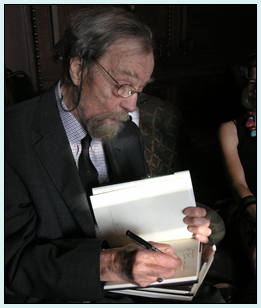

Career and editorial roles
Early in his career Hall helped shape contemporary American letters as the first poetry editor of The Paris Review from the 1950s into the early 1960s. He edited, reviewed, and championed other writers while continuing to publish his own work. In 2006 he was appointed the fourteenth Poet Laureate Consultant in Poetry at the Library of Congress, a recognition of his long-standing influence; he served in that role for the customary one-year term.
Poetry and themes
Hall’s poems are often noted for their plain diction, formal variety, and moral clarity. He wrote about domestic and agricultural life, marriage and partnership, the care of a spouse, the passage of time, and the presence of mortality. Critics have praised his ability to combine everyday detail with philosophical reflection, producing poems that are both accessible and sustained in their attention to craft.
Life and context
Hall spent much of his adult life in New England, living and working on a farm in New Hampshire. He was married to the poet Jane Kenyon; their partnership and shared life became a frequent subject and source of emotional depth in his later writing. Hall’s rural setting and close observation of ordinary life provided a steady background for poems and prose that explore human responsibility, grief, and resilience.
Contributions and legacy
- Influential editor and teacher of poetry, shaping younger writers through editorial work and public advocacy.
- A body of work spanning poetry, essays, memoir, and children’s literature, often celebrated for clarity and moral seriousness.
- National recognition including service as Poet Laureate, and a reputation as one of New England’s prominent literary figures.
Hall’s writing continues to be read for its directness, emotional honesty, and engagement with ordinary life. His poems and prose remain part of many discussions about American poetry of the latter 20th and early 21st centuries, and his editorial work helped introduce important voices to a wider readership.
Related articles
Author
AlegsaOnline.com Donald Hall (1928–2018) — American Poet, Editor, and Essayist Leandro Alegsa
URL: https://en.alegsaonline.com/art/28395
Sources
- highbeam.com : "Hall, Donald (Andrew, Jr.)"
- loc.gov : "Poet Laureate Timeline: 2001–present"